Luxury interiors have never been easier to discover or easier to replicate.
The same materials, colours and furniture silhouettes now travel instantly between continents. A residence in London, a hotel in Dubai and a villa in Miami can all be beautifully designed, yet feel surprisingly similar.
This raises an important question: If you removed the view outside the window, would you know where the interior belonged?
As architects and interior designers search for greater differentiation, cultural identity and heritage-inspired design are becoming powerful tools for creating spaces that feel personal, memorable and difficult to replicate.
Global access to inspiration has transformed interior design, but it has also created repetition.
Clients are exposed to the same trends, brands and references every day. For designers, the challenge is therefore no longer simply to create a beautiful interior, but to create something the client has not already seen.
Cultural heritage offers another perspective. Architecture, landscapes, traditions, art and craftsmanship can become sources of inspiration that give a project its own narrative.
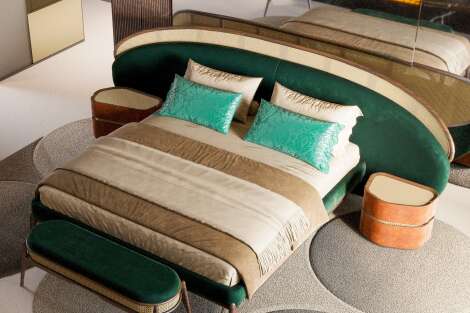
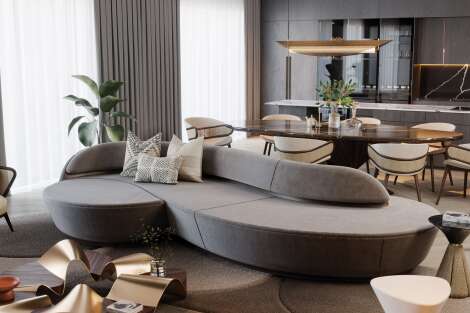
For designers looking for new ways to move beyond predictable luxury aesthetics, the Luxury Unveiled Design Book explores inspiring interior concepts where furniture, materials and composition come together to create spaces with a stronger sense of identity.
Instead of asking only “Does this look beautiful?”, designers can begin asking: "What makes this interior belong here?”
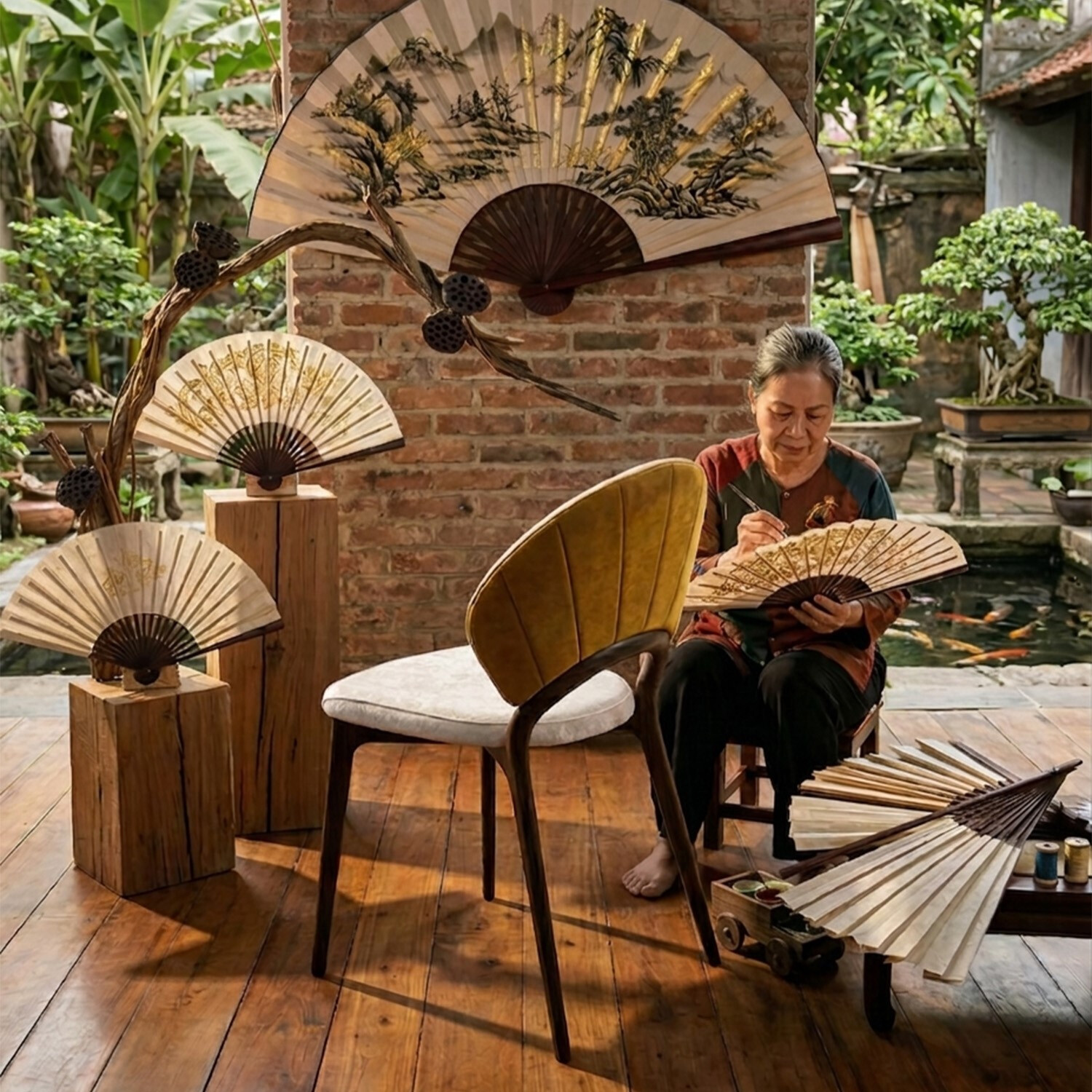
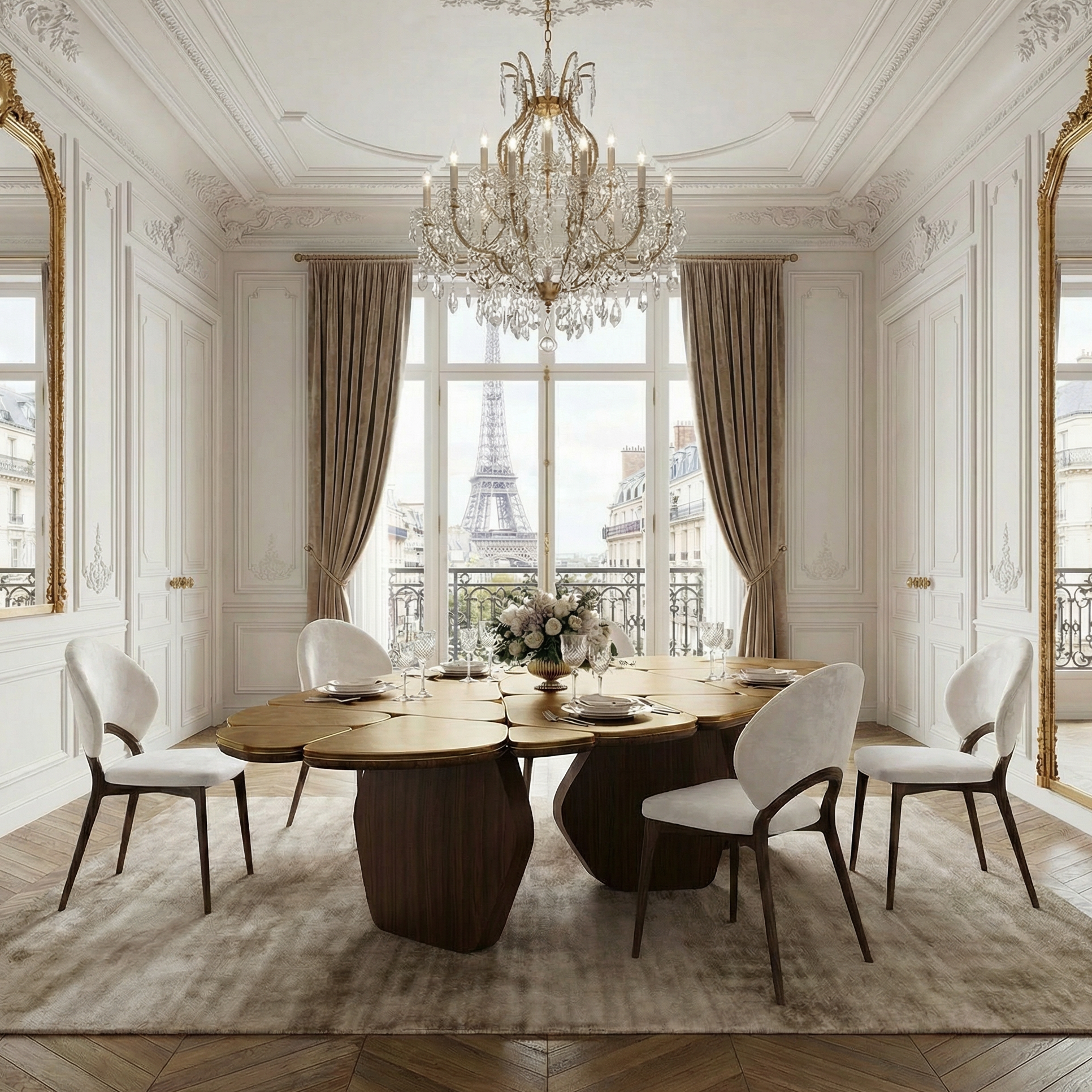
Using heritage in contemporary interiors does not mean reproducing historical or cultural symbols.
The key is reinterpretation rather than imitation. The proportions of an ancient building might inspire a table. A traditional craft technique can be expressed through a contemporary finish. A landscape might influence the colours and organic forms of a furniture collection.
The Quat Tay Chair reflects this approach, transforming cultural inspiration into a contemporary design language. Rather than reproducing a tradition literally, its distinctive form allows heritage to be felt through the piece while remaining relevant to today's luxury interiors.
This allows cultural heritage in interior design to remain subtle and sophisticated, giving objects meaning without making the space feel themed or nostalgic.
It is this dialogue between past and present that makes heritage-inspired design particularly relevant to contemporary luxury.
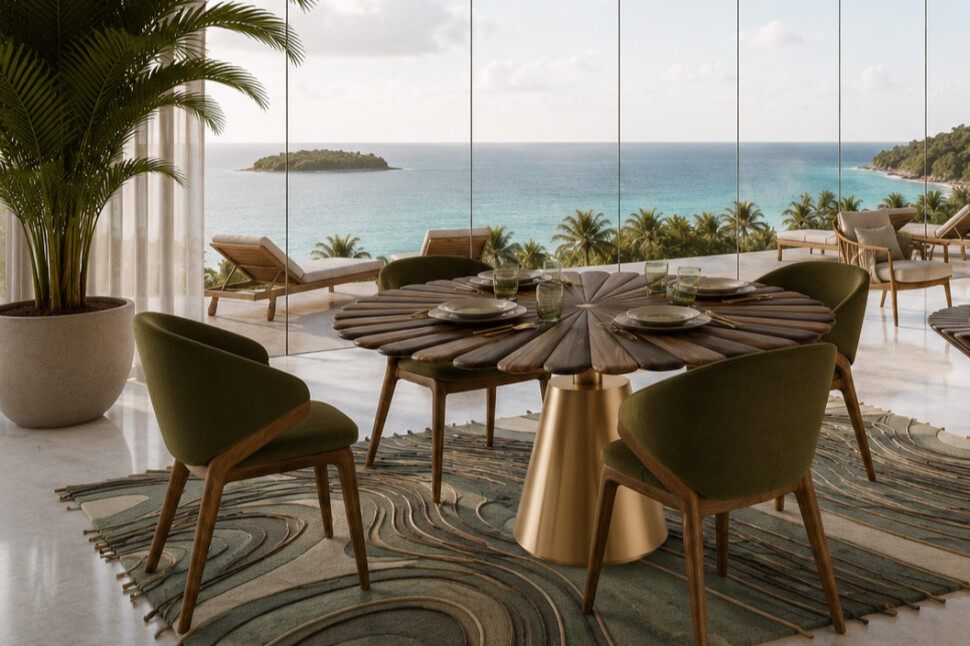
Imagine two equally beautiful dining tables.
One has been chosen because its dimensions, materials and finish work perfectly within the project. The other offers all of that but its form also carries a story inspired by architecture, culture or an ancestral tradition.
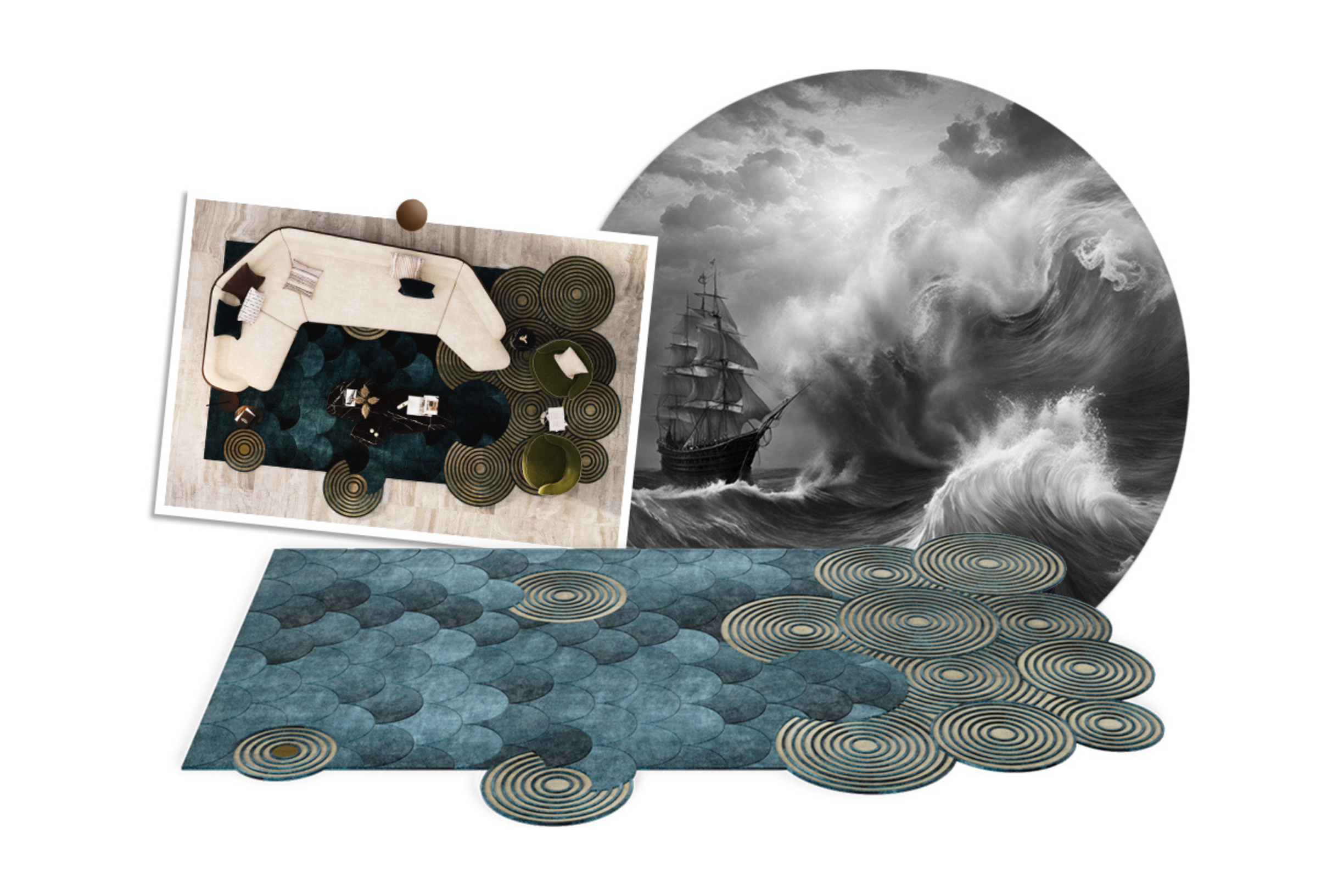
The Adamastor Rug is an example of how cultural memory can give a contemporary piece another layer of meaning. Inspired by Adamastor and the Portuguese Age of Discoveries, its composition evokes the movement and force of the sea, translating a powerful cultural narrative into contemporary design.
The second piece gives the designer something more to offer the client: meaning.
Furniture can become a conversation starter, giving people something to discover, remember and eventually share with others.
This is particularly valuable in luxury residential and hospitality projects, where creating memorable experiences has become as important as creating beautiful ones.
For architects and interior designers looking to bring this approach into their own projects, the Storytelling Interior Inspiration Book explores how stories, cultural references and meaningful furniture can inspire interiors with a stronger emotional identity.
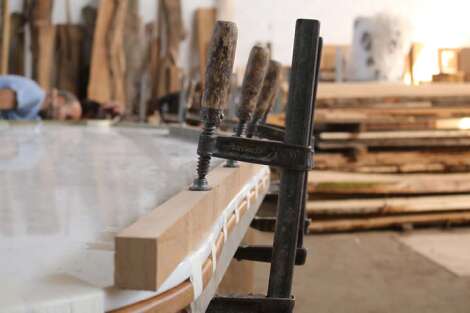
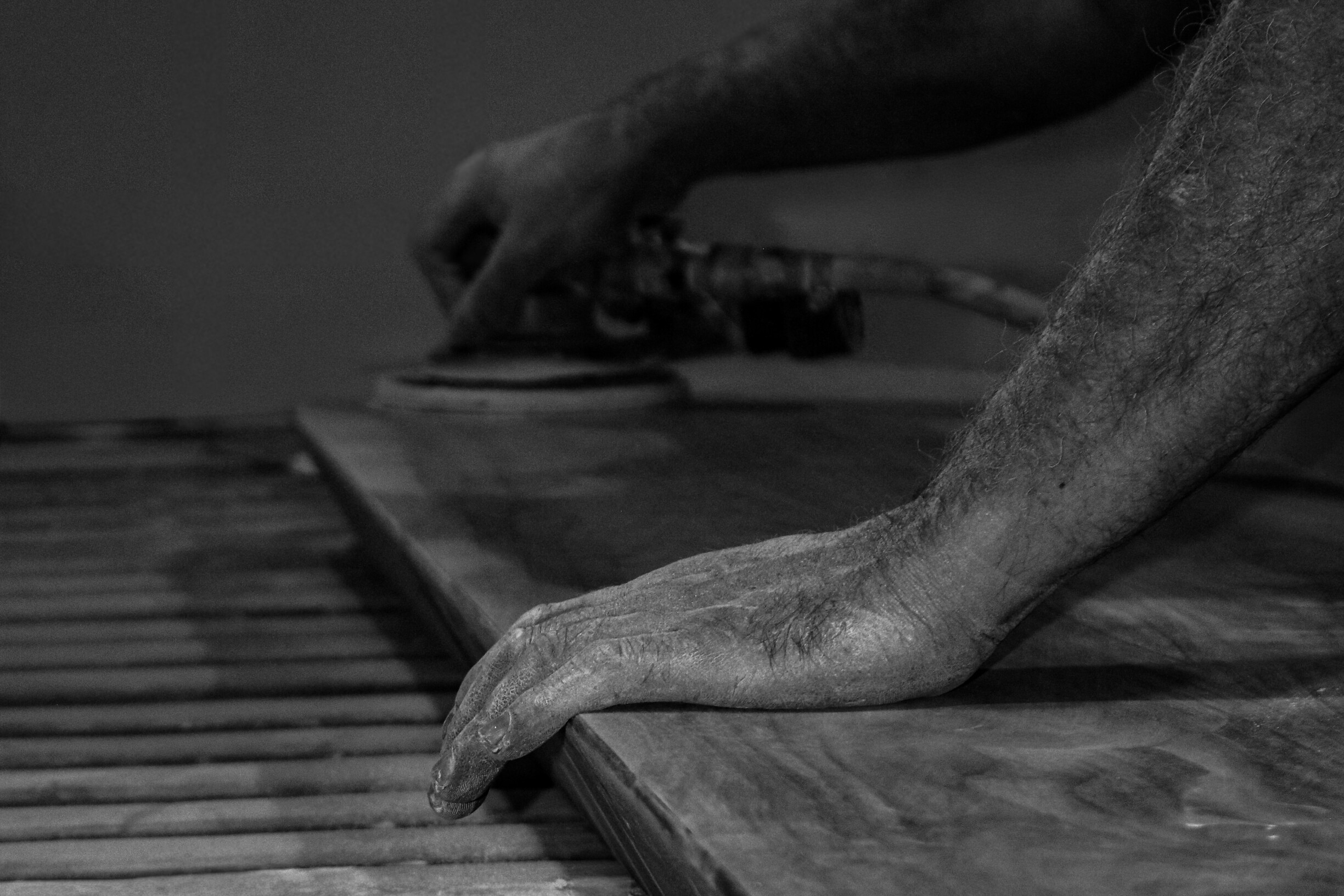
A cultural story alone does not create exceptional furniture. Craftsmanship is what makes that story tangible.
Woodworking, upholstery, metalwork and hand-finishing allow cultural references to be transformed into contemporary forms, textures and details.
This is where Portuguese craftsmanship becomes particularly relevant. Generations of artisanal knowledge continue to coexist with modern production techniques, allowing traditional savoir-faire to evolve rather than disappear.
For architects and interior designers, this relationship between heritage and contemporary craftsmanship creates an opportunity to specify pieces that combine cultural depth with the quality and refinement expected from modern luxury interiors.
Behind many of these creations lies a cultural reference worth discovering. Through Alma de Luce Memories, designers can explore the places, traditions, landscapes and stories that inspire the brand's collections.
For Alma de Luce, culture is not an element added to furniture after it has been designed. It is often where the design begins.
Architecture, traditions, landscapes, art and cultural memories from around the world are translated into contemporary furniture through form, materials and Portuguese craftsmanship.
Rather than reproducing those references literally, Alma de Luce reinterprets them. The objective is to preserve the emotion and meaning behind a story while creating a piece capable of belonging naturally within a contemporary interior.
For architects and interior designers, this provides something increasingly valuable: furniture with an existing identity that can contribute to the identity of their own project.
From statement furniture to pieces designed for living, dining and bedroom interiors, the Alma de Luce Catalogue brings these stories together and shows how cultural inspiration can take shape across different interior contexts.
Because as luxury interiors become increasingly global, perhaps true exclusivity will no longer come from creating the most impressive space.
It will come from creating one that could not belong anywhere else.