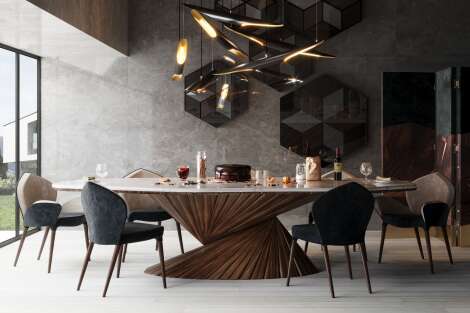
As fast design becomes increasingly prevalent, a growing number of designers and collectors are turning their attention back to craftsmanship. Handmade furniture offers something rare in today’s design landscape: permanence, cultural identity, and the quiet luxury of time.
In recent years, the design world has witnessed a renewed appreciation for craftsmanship. Across architecture, interior design, and furniture production, designers are increasingly valuing manual skill, material knowledge, and thoughtful production processes.
This Craft Revival reflects a broader cultural shift. As fast design and mass production dominate many industries, architects and designers are looking for pieces that offer durability, authenticity, and identity.
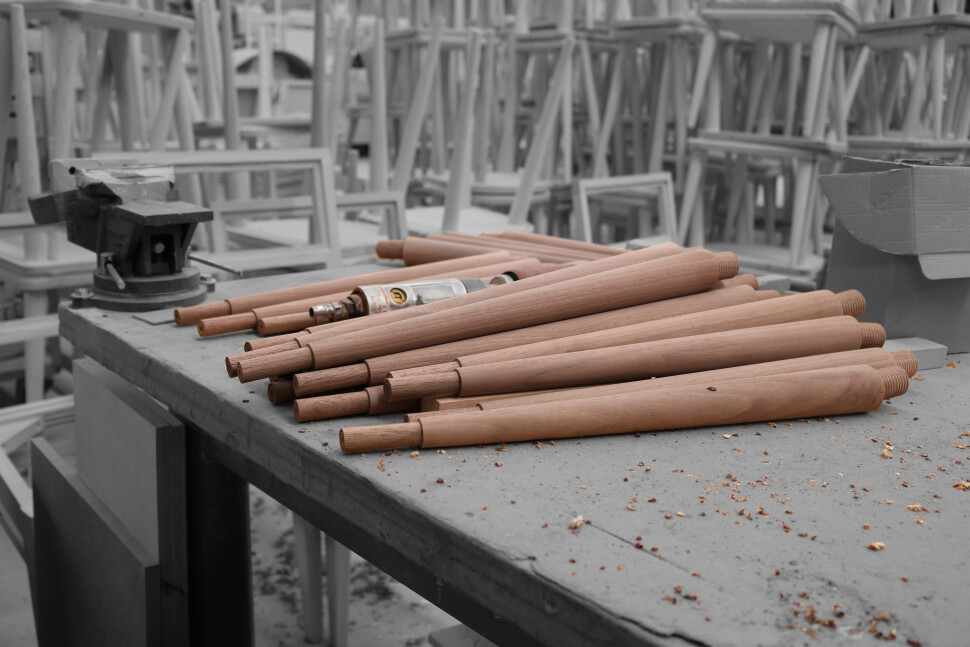
Rather than prioritising speed and quantity, contemporary craftsmanship focuses on quality, material integrity, and intentional creation. Natural materials such as wood, stone, and metal are once again central to the design process, valued not only for their appearance but also for the knowledge required to shape them.
In this context, craftsmanship becomes more than a production method. It becomes a design philosophy that emphasises longevity and cultural meaning.
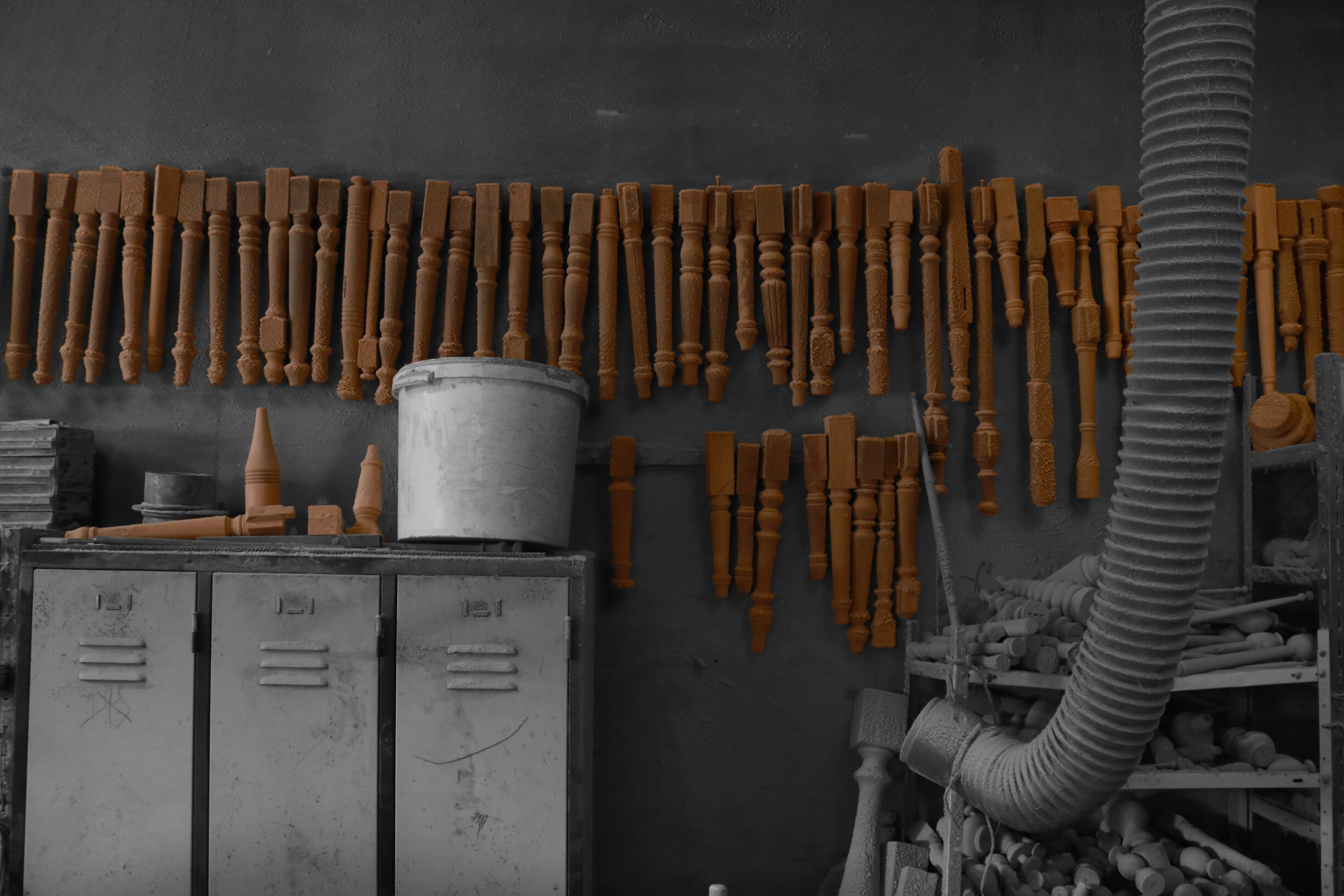
Within luxury interiors, handcrafted furniture plays a fundamental role in creating spaces with depth and character.
Unlike industrial production, handmade work allows for a level of precision and attention to detail that cannot easily be replicated by automated processes. Each stage of the process, from material selection to finishing, is guided by experienced hands and specialised knowledge.
In furniture making, this includes technical aspects such as joinery techniques, grain orientation, structural balance, and surface finishing. These elements contribute not only to the visual refinement of a piece but also to its long-term stability.
For this reason, handmade luxury furniture is often defined not by ornamentation, but by the precision, knowledge, and care invested in its construction.
Contemporary craftsmanship does not simply preserve traditional techniques - it reinterprets them through modern design language.
Designers often draw inspiration from cultural heritage, architecture, and natural landscapes, translating these references into furniture that feels relevant within today’s interiors. Through careful proportions, refined materials, and sculptural forms, traditional influences are transformed into contemporary expressions.
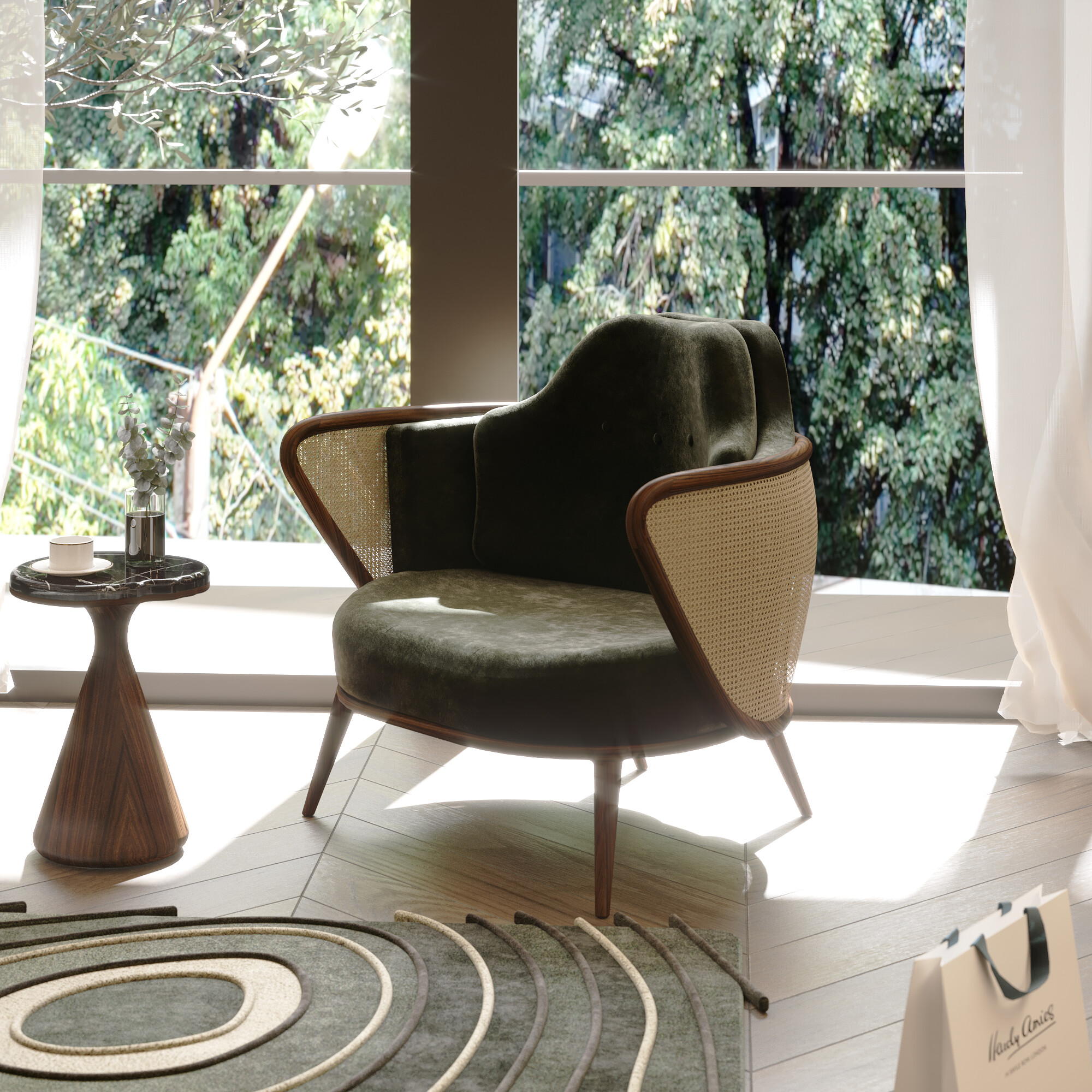
Within the Alma de Luce Collection, many pieces, like Metamorphosis Armchair or Ghadames Sofa, reflect this approach by transforming cultural narratives into furniture design.
Through this dialogue between heritage and innovation, craftsmanship becomes a bridge between past knowledge and contemporary design.
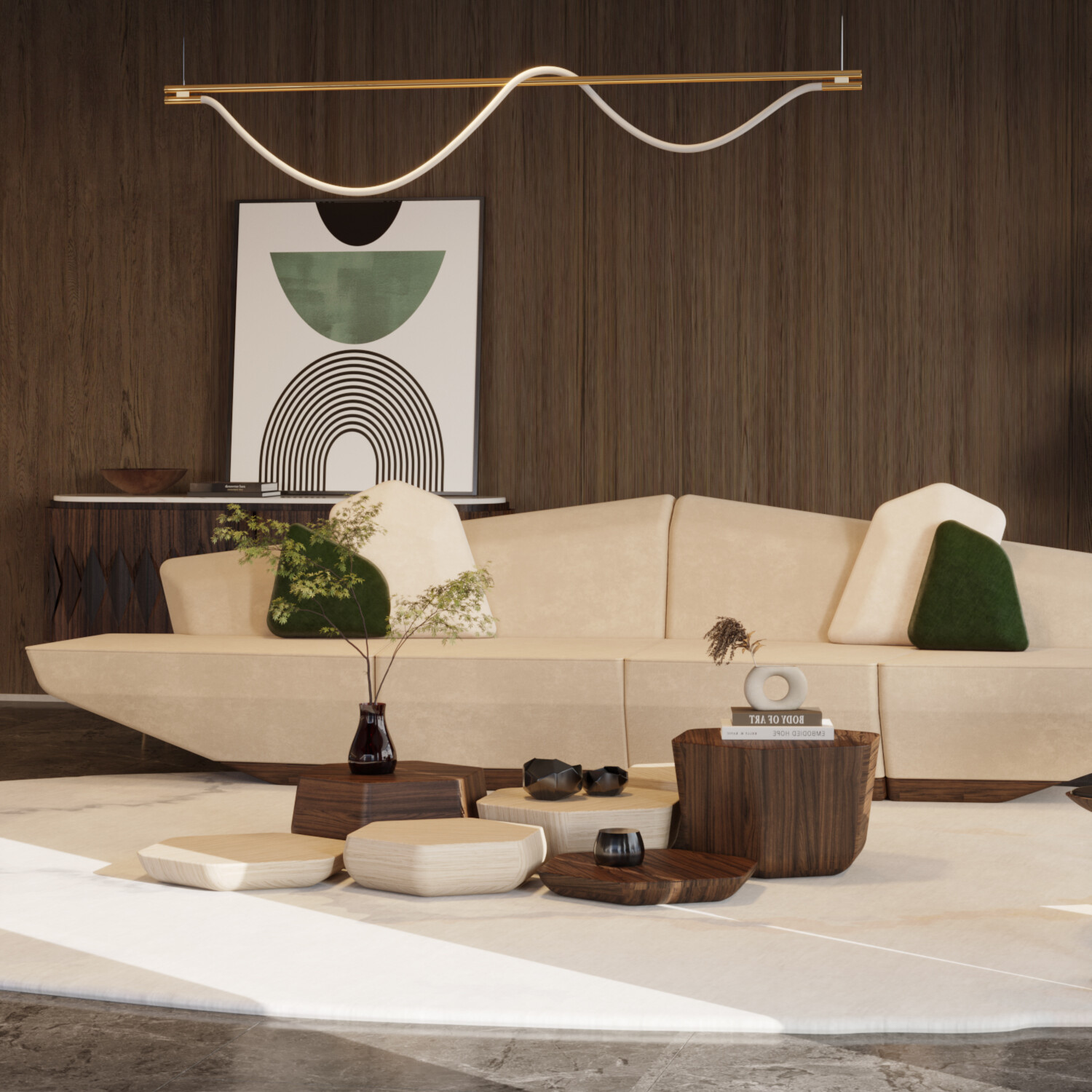
One of the most significant differences between fast design and handcrafted furniture lies in the role of time.
Industrial production is often optimised for efficiency and speed. Craftsmanship, by contrast, embraces time as a fundamental part of the process. Materials must be carefully selected, shaped, assembled, and finished through a sequence of deliberate steps.
This slower rhythm allows makers to understand the behaviour of materials and refine each detail throughout the production process.
In this sense, time itself becomes a form of luxury. The hours invested in crafting a piece reflect the value placed on durability, quality, and permanence - qualities that define timeless design.
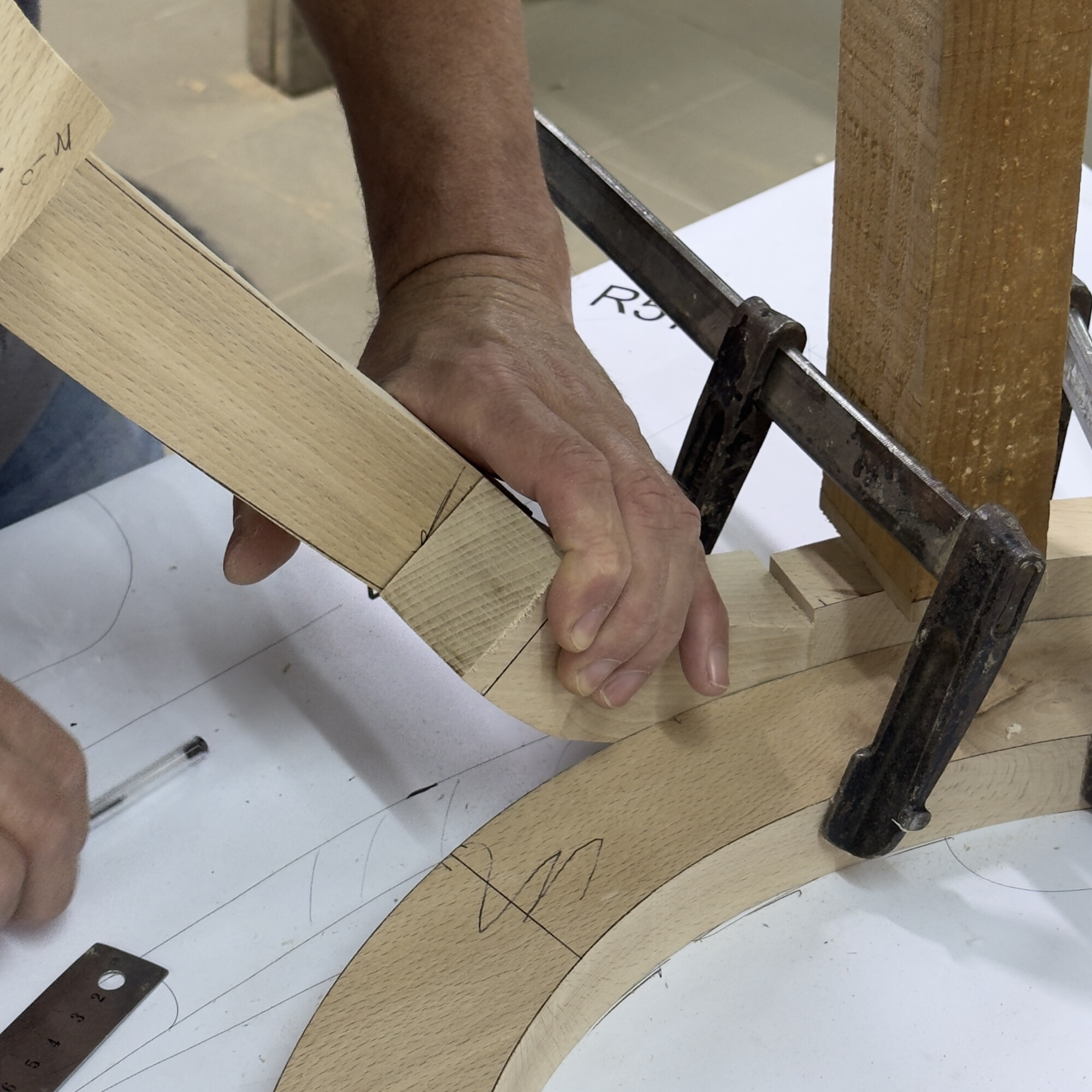
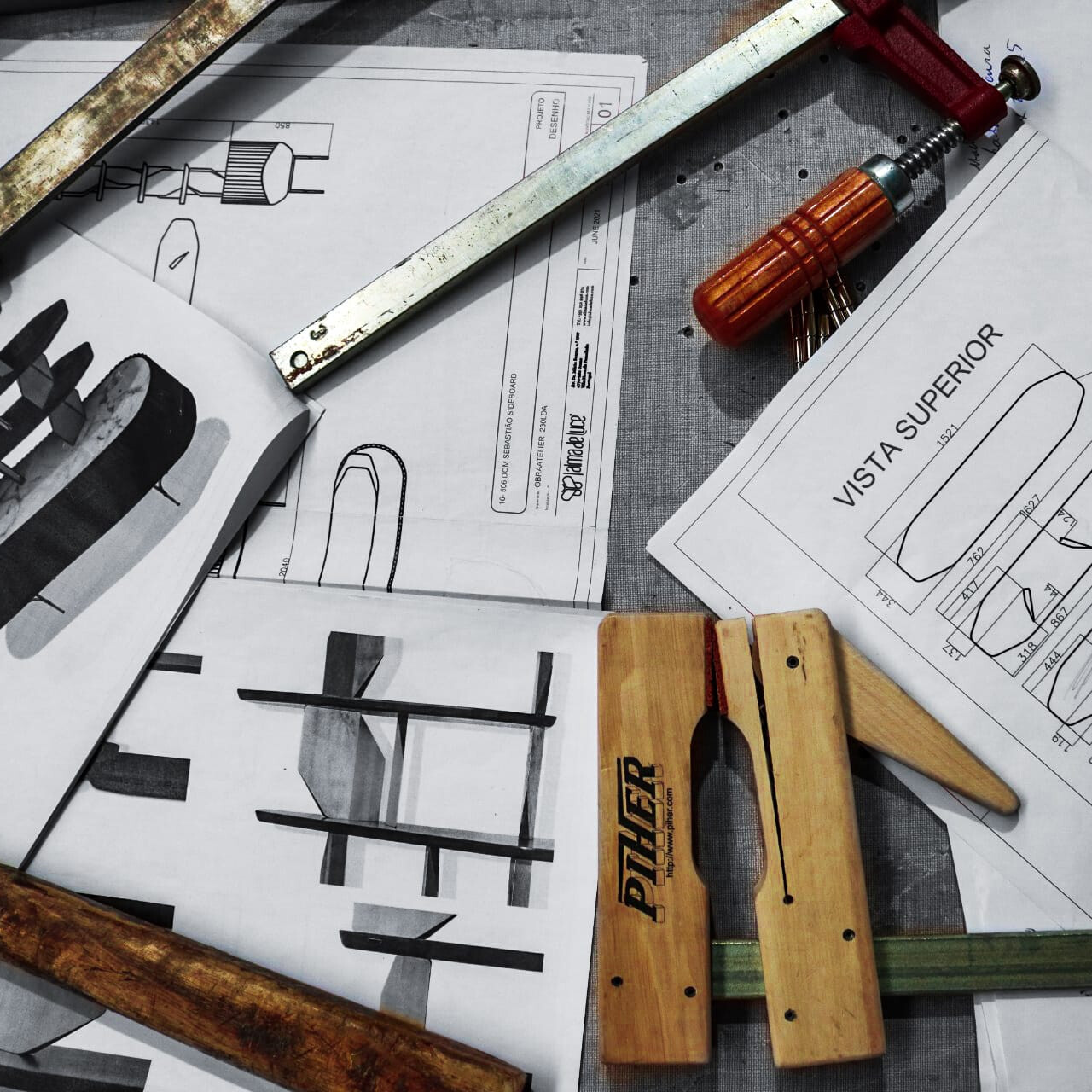
At Alma de Luce, craftsmanship is a central element of the brand’s identity. Each piece is developed through a dialogue between design vision, artisanal expertise, and material knowledge.
From the selection of woods to construction techniques and finishing processes, every stage of production reflects a commitment to precision and respect for materials.
This philosophy allows Alma de Luce to create furniture that embodies both contemporary craftsmanship and cultural storytelling, ensuring that each piece maintains its character and integrity over time.
Through this approach, craftsmanship becomes not only a technical process but also a way of preserving cultural memory while creating objects designed to endure.