In today’s fast-paced world, interior spaces are no longer defined solely by aesthetics. They are expected to nurture, restore, and create a sense of emotional balance. As a result, emotional design has emerged as one of the most significant shifts in contemporary luxury interiors.
More than a stylistic approach, emotional design reflects a deeper understanding of how environments influence human wellbeing. It recognises that the spaces we inhabit shape our mood, our rest, and even our capacity to reconnect with ourselves.
Across residential architecture, hospitality projects, and high-end private interiors, there is a growing emphasis on wellbeing in design. Spaces are conceived not merely to impress, but to restore.
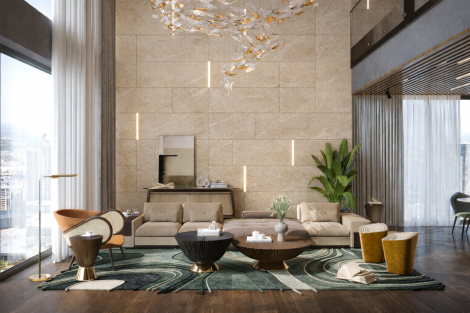
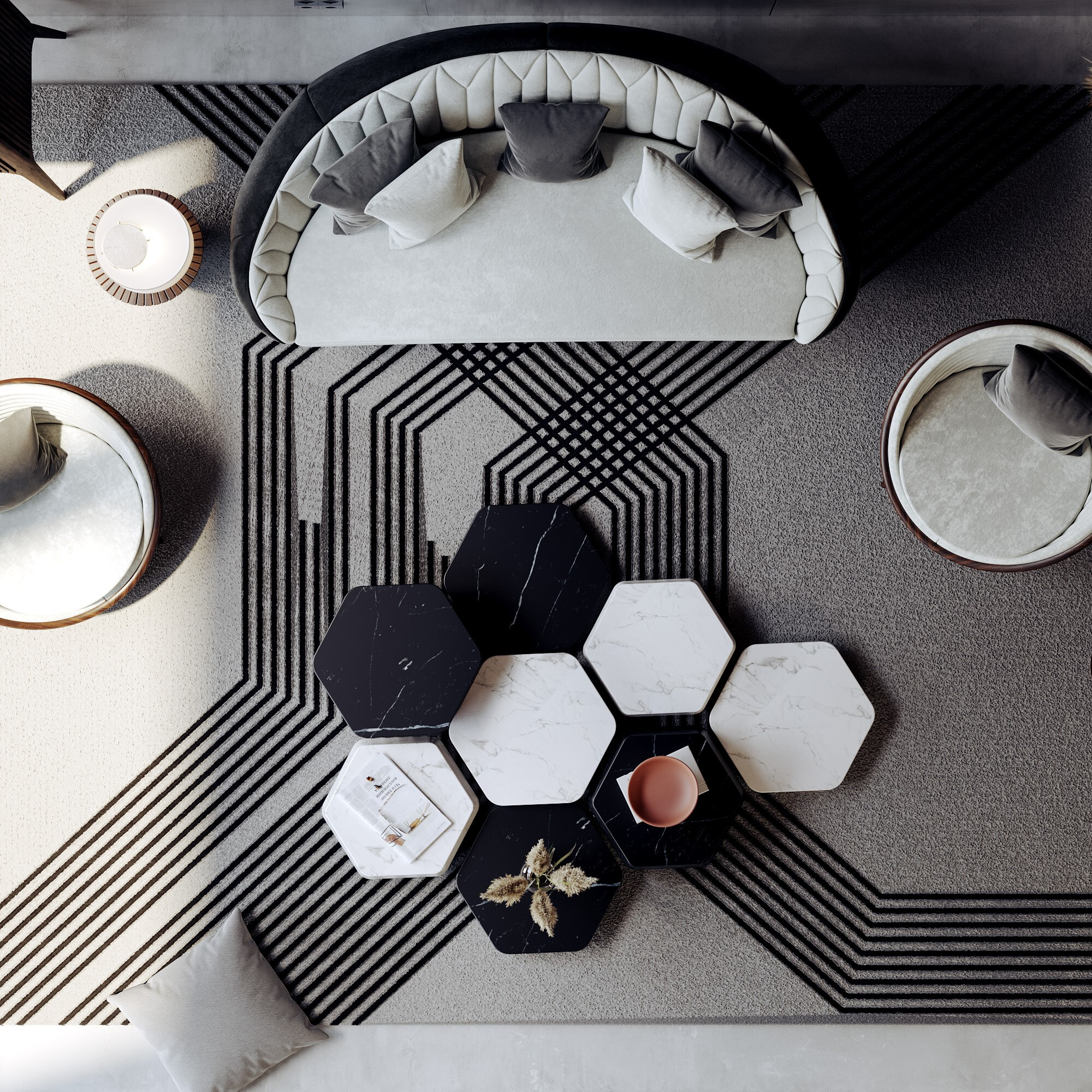
This has given rise to sensorial interiors, environments where texture, light, proportion, and materiality are carefully orchestrated to support emotional balance. Rather than stimulating the senses aggressively, these spaces create calm through harmony and restraint.
Within the pages of the Alma de Luce Catalogue 2026, this philosophy becomes evident. Each collection is presented not simply as furniture, but as part of an atmosphere - curated interiors where every piece contributes to a composed and meaningful narrative.
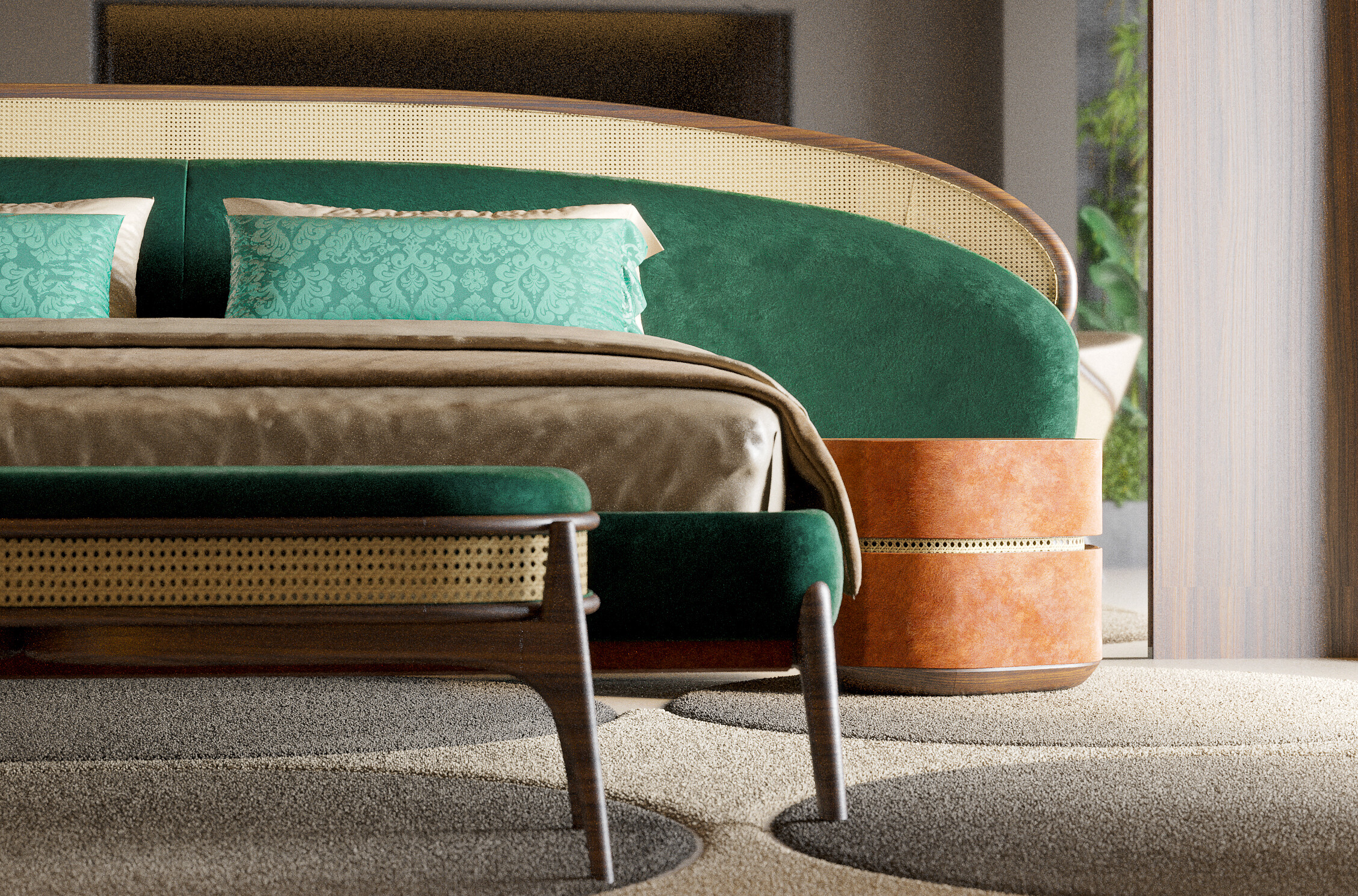
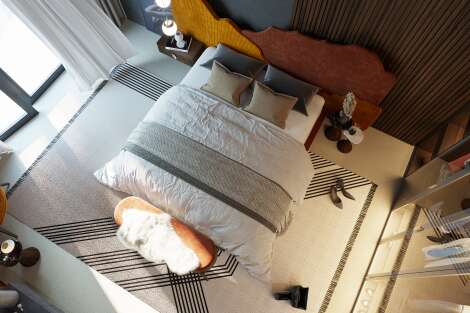
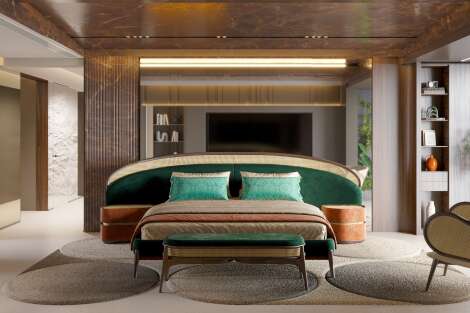
Among all interior spaces, the luxury bedroom carries a unique emotional weight. It is the most intimate room in the home - a space dedicated to rest, vulnerability, and personal renewal.
When designed through the lens of emotional design, the bedroom becomes a sanctuary for reconnection. Visual silence, warm materials, and grounded forms create an environment that encourages reconnection.
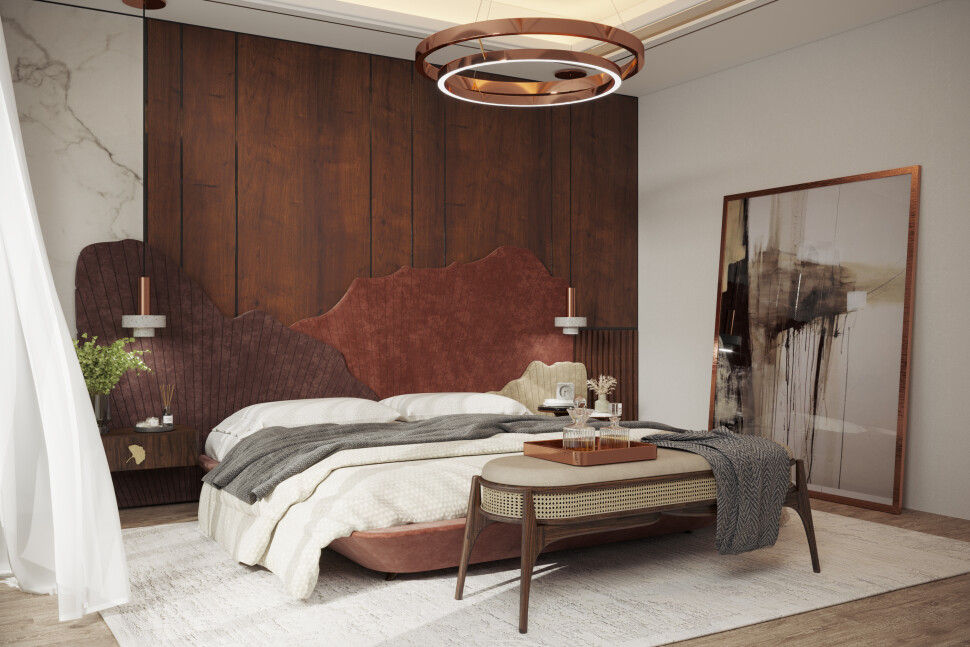
The recently introduced Mudhif Bed and Nightstand embody this approach. Inspired by ancestral architecture, their structural rhythm and balanced proportions anchor the space with quiet authority. Rather than dominating the room, they establish stability - transforming rest into ritual.
Similarly, other pieces within the Alma de Luce Collections - such as sculptural armchairs and softly contoured seating - reinforce the importance of form as emotional language. Their silhouettes are designed to feel supportive, not imposing.
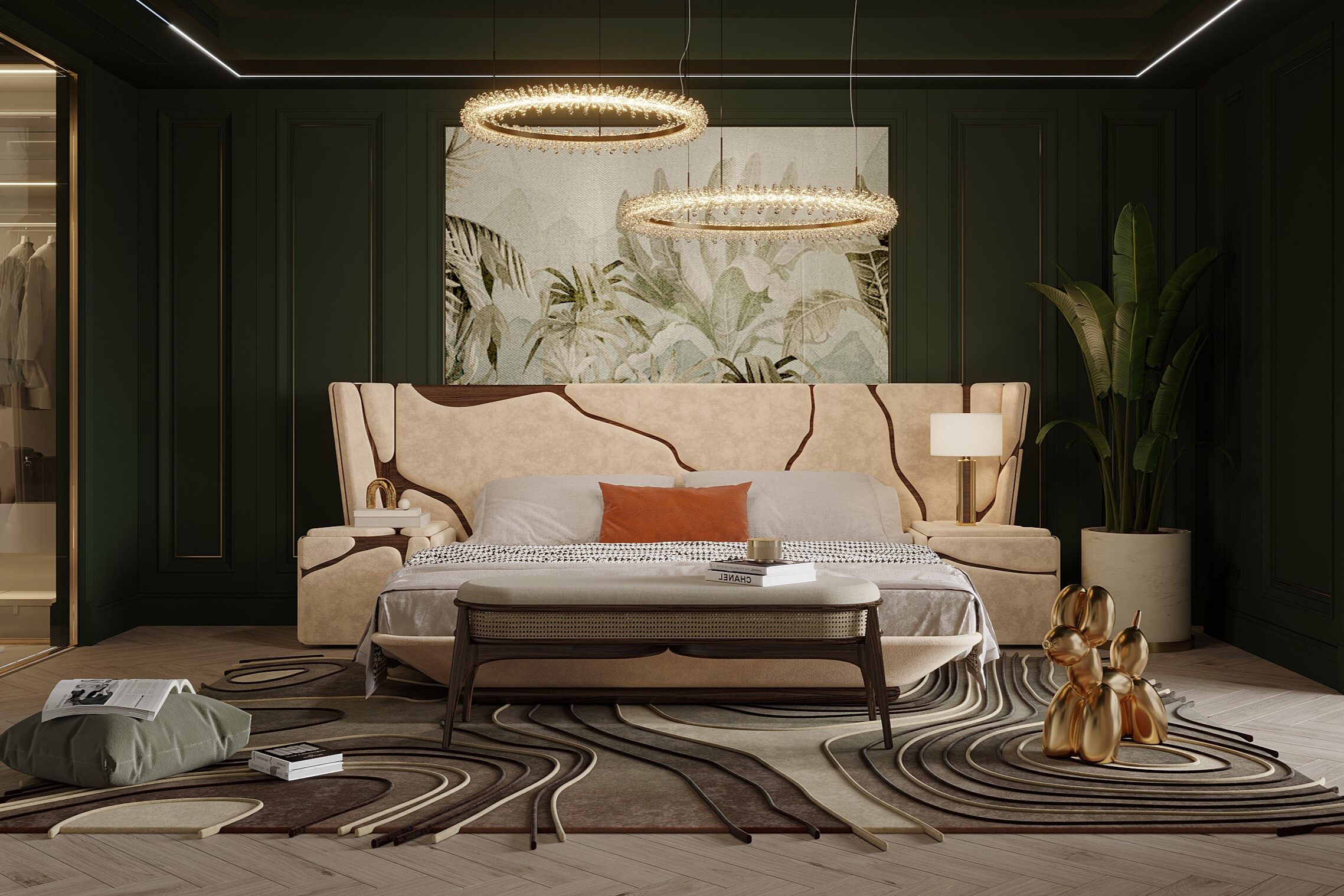
Furniture in emotionally driven interiors acts as a mediator between body and space. The curvature of a headboard, the tactility of upholstery, the weight of a wooden frame - these elements influence how we inhabit a room.
In Alma de Luce’s design books, the relationship between heritage and emotion is explored through stories that connect each piece to cultural memory. These narratives are not decorative additions; they inform proportion, material choice, and structural identity.
A piece such as the Mudhif Bed carries architectural cadence within its silhouette. Other creations, inspired by natural formations or historic landmarks, translate landscape and memory into contemporary design language. Together, they shape interiors that feel intentional and grounded.
This is the essence of emotional furniture - objects conceived to resonate beyond functionality.
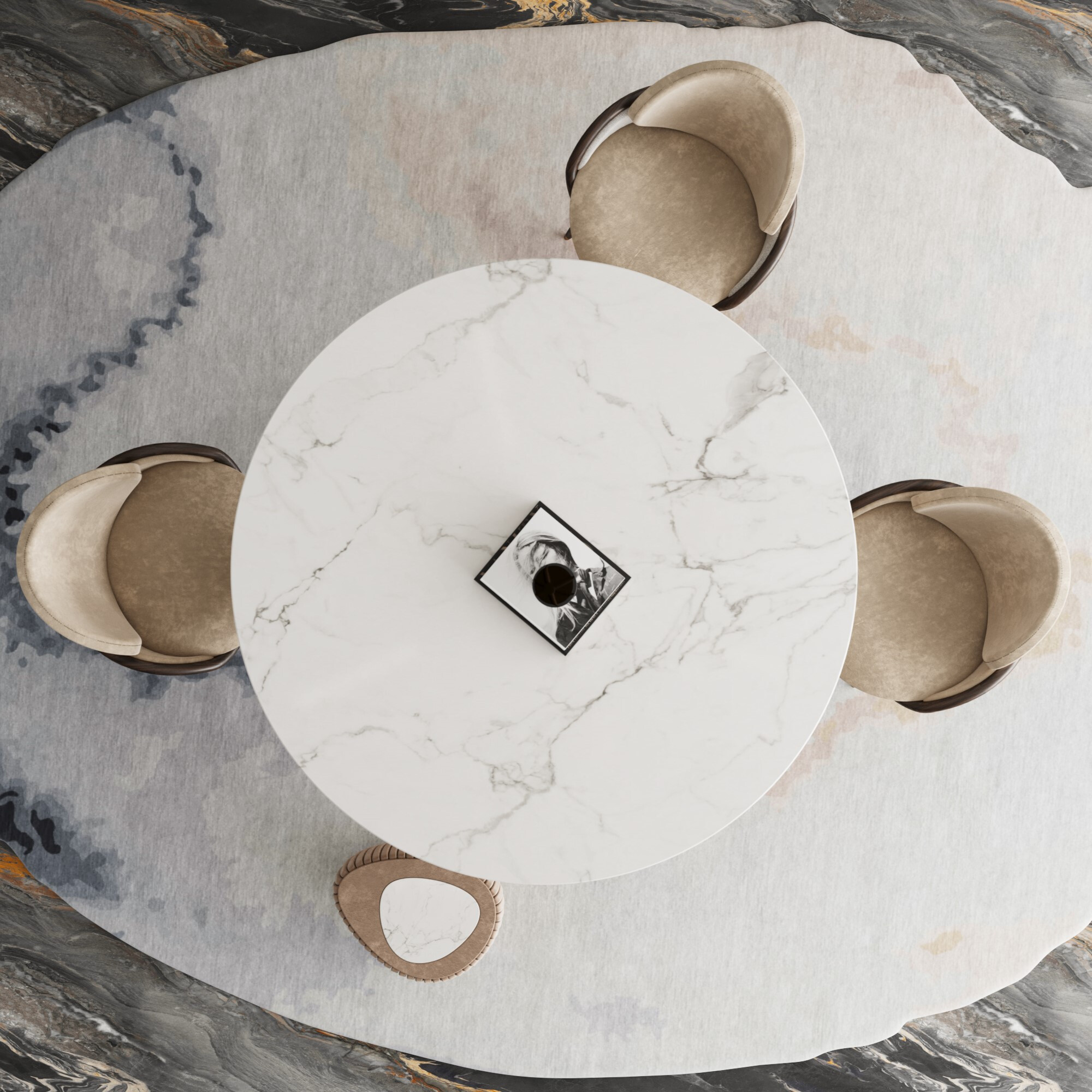
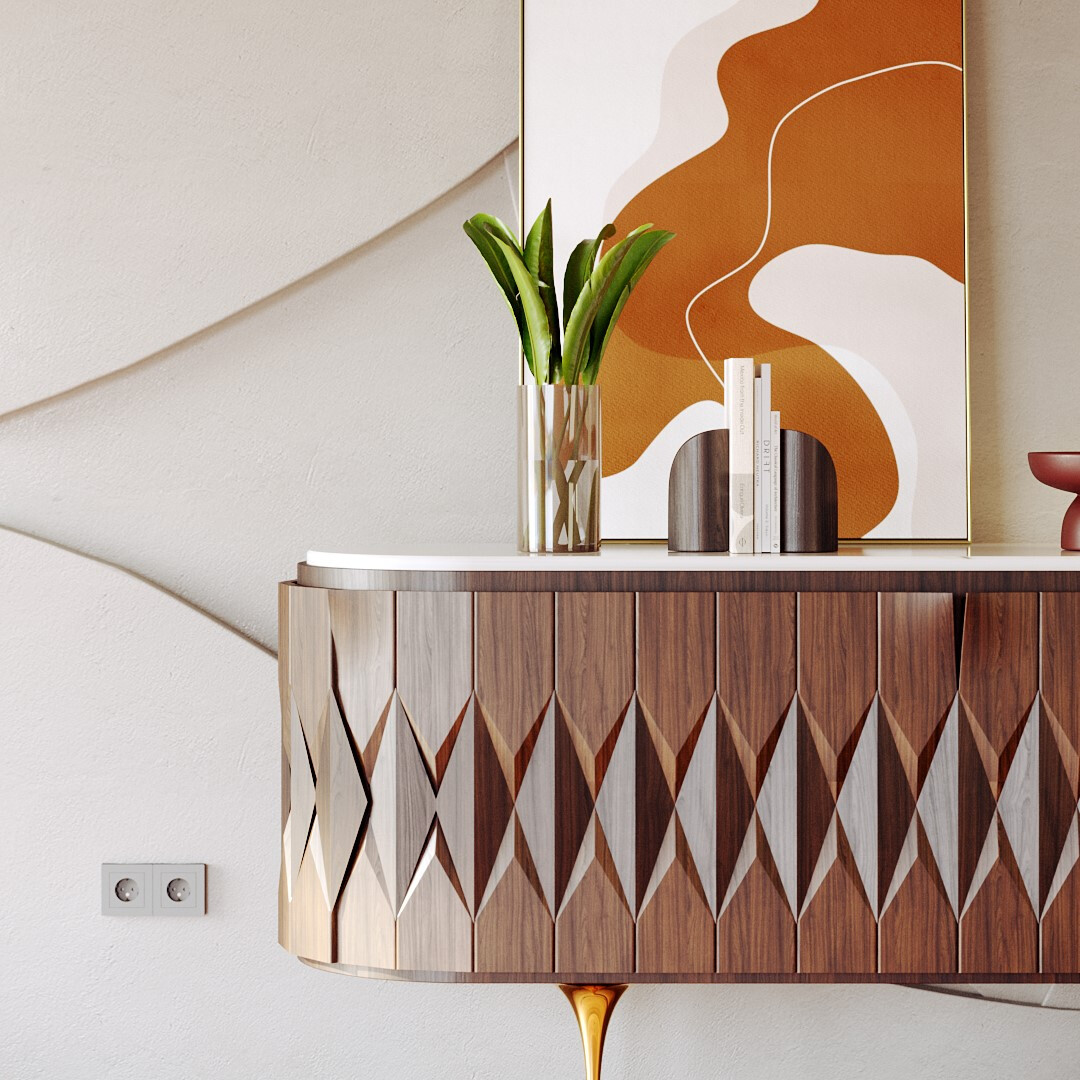
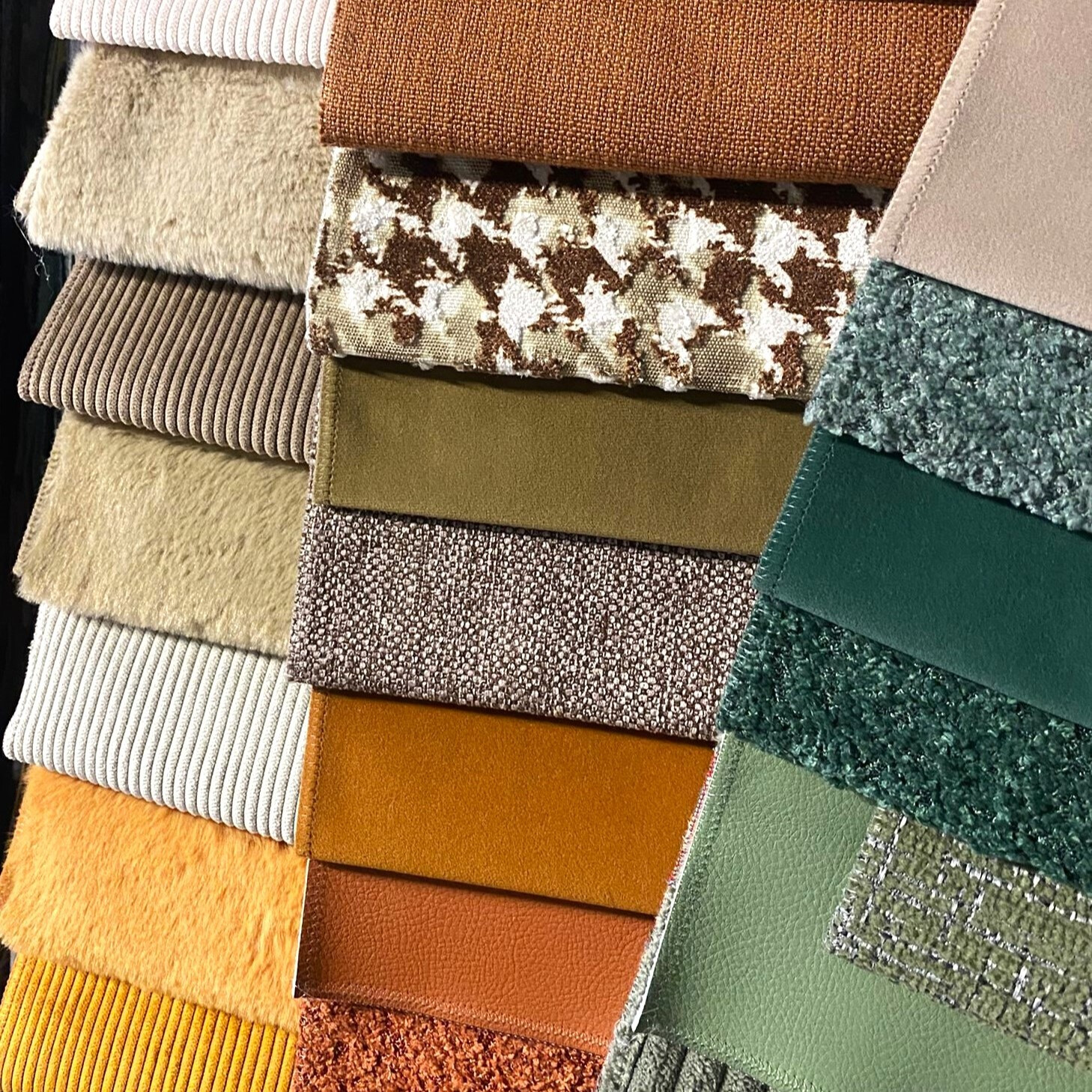
At the heart of emotional design lies materiality. Textures, light, and form become subtle yet powerful tools in shaping experience.
Within the curated interiors of the Alma de Luce Catalogue, light is never harsh. It moves softly across materials, emphasising depth rather than contrast.
These sensorial elements contribute to interiors aligned with wellbeing in design - spaces that invite calm and foster presence.
The rise of emotional design is inseparable from the broader philosophy of quiet luxury. Both prioritise restraint, longevity, and authenticity.
Rather than relying on excess, emotional interiors are defined by balance and intention. A carefully chosen bed, a nightstand in proportion, a sculptural accent chair - each element serves a purpose within the spatial narrative.
Alma de Luce’s Collections demonstrate how cultural inspiration can coexist with contemporary refinement. Through craftsmanship and storytelling, pieces transcend trend-driven aesthetics and become timeless.
As luxury interior design continues to evolve, its focus increasingly shifts from visual spectacle to emotional resonance.
A bedroom shaped by emotional design does not seek attention - it cultivates stillness. Through balanced forms, tactile materials, and architectural rhythm, it becomes a space of reconnection.
By embedding heritage within contemporary design language, Alma de Luce creates interiors that feel deeply human. Each piece contributes to a broader narrative of cultural memory and refined craftsmanship - transforming furniture into emotional architecture.
In this way, emotional design becomes not simply a trend, but a philosophy of living.