Humidity is a key environmental factor influencing the longevity, structural integrity, and visual quality of luxury furniture. In high-end interiors, furniture represents a balance between craftsmanship, material science, and design heritage. Variations in relative humidity can affect natural materials such as solid wood, veneers, and finishes, influencing their stability and appearance over time.
For designers and manufacturers working in premium environments, understanding this relationship is essential to preserving both the aesthetics and durability of each piece. At Alma de Luce, this awareness is integrated into every creation, ensuring long-term material stability and reliability.
Wood is a hygroscopic material, meaning it naturally absorbs and releases moisture depending on surrounding environmental conditions. Even after being processed, kiln-dried, and finished, wood continues to interact with the atmosphere.
When exposed to varying humidity levels, wood adjusts its internal moisture content until reaching what is known as Equilibrium Moisture Content (EMC). In most controlled interior spaces, wood stabilizes between approximately 8% and 12% moisture content when relative humidity is maintained between 40% and 60%.
When humidity rises above or falls below this range, wood responds through expansion or contraction. While these dimensional changes occur gradually, they can influence the stability of furniture components over time.
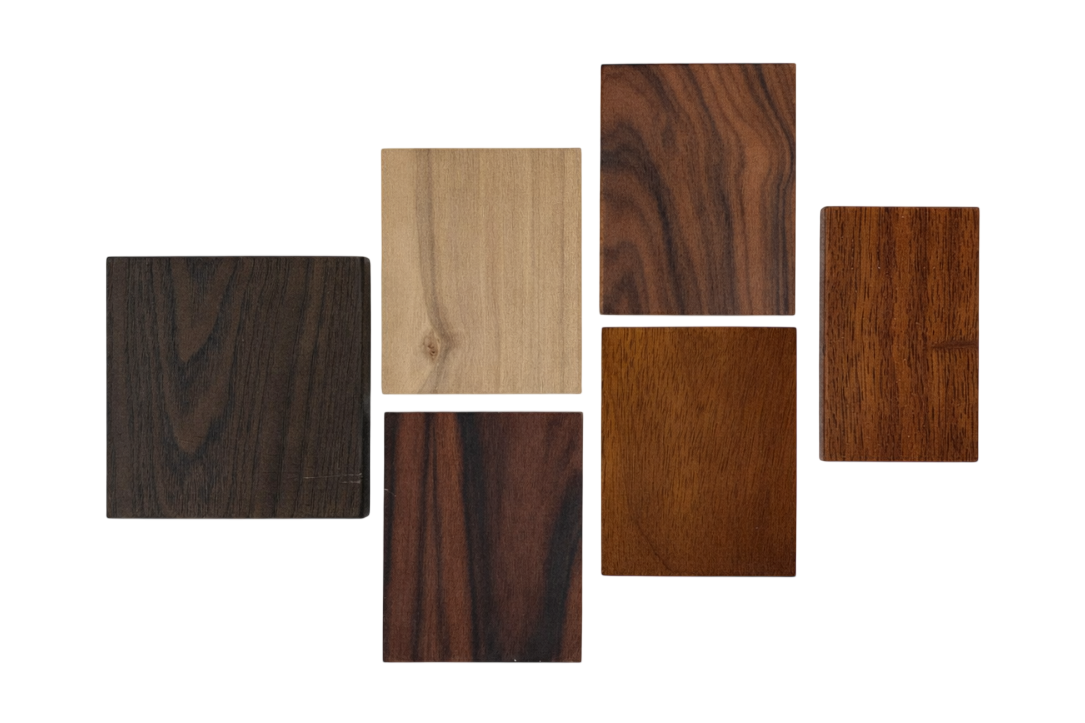
Wood movement is anisotropic, meaning it reacts differently depending on the direction of the grain. Tangential movement is typically the most significant, followed by radial movement, while longitudinal movement remains minimal.
These dimensional variations may lead to physical changes in furniture components, including:
Luxury furniture often integrates multiple materials, such as metals, natural stones, and composites. Because each material responds differently to environmental conditions, controlling humidity becomes essential to maintaining balance and structural harmony within the piece.
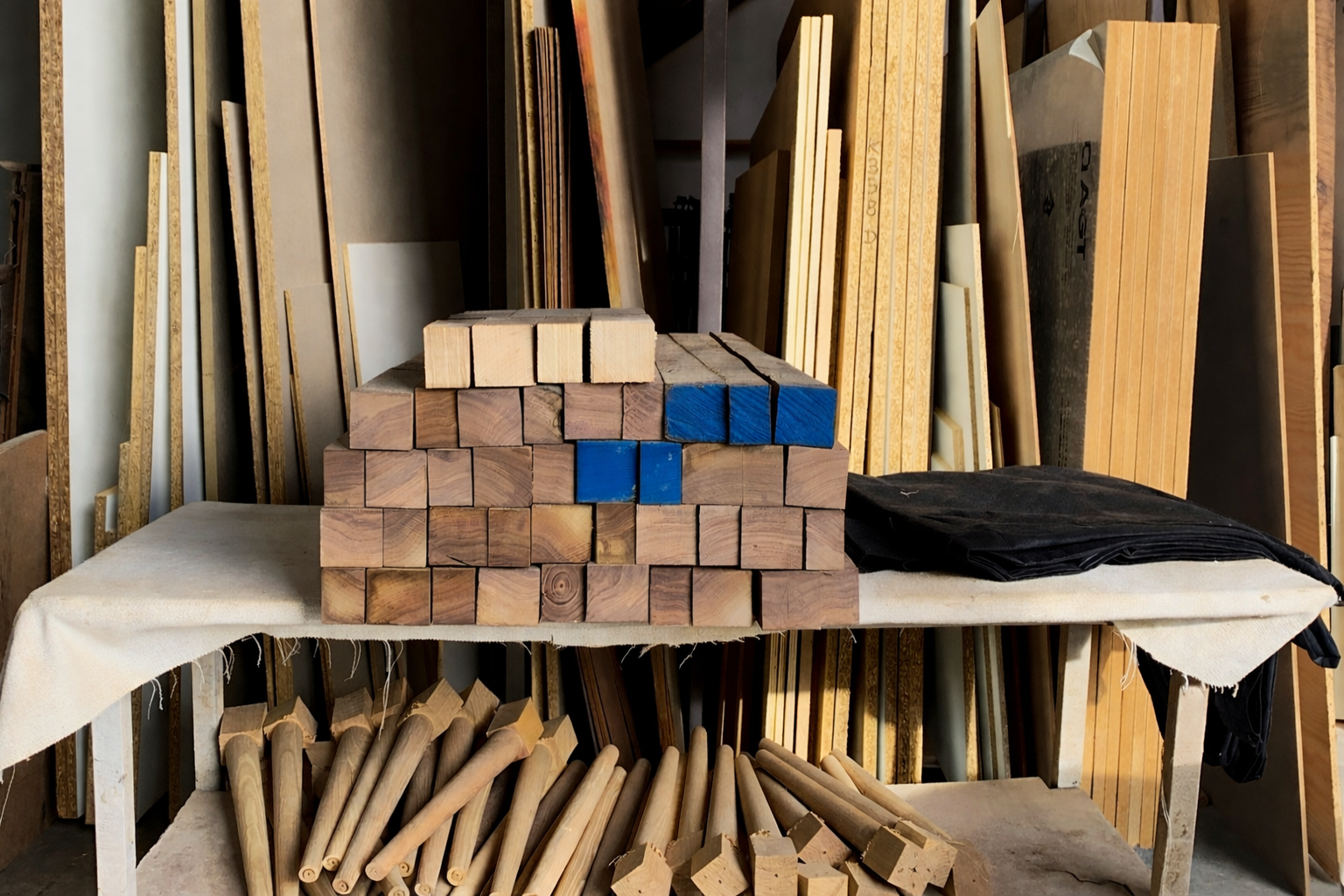
Surface finishes such as lacquers, oils, and varnishes provide partial protection against moisture exchange but cannot completely isolate wood from environmental humidity.
In excessively humid spaces, finishes may soften or lose adhesion. In extremely dry spaces, wood contraction may cause cracking or surface tension in the finish layer.
For this reason, the selection and application of finishing systems must always consider the expected environmental conditions of the interior space.
Maintaining stable indoor space conditions is crucial for preserving luxury furniture. Interior environments designed for high-end furnishings typically aim to maintain relative humidity levels between 40% and 60%, combined with moderate and stable temperatures.
Climate control systems, humidifiers, and dehumidifiers play an important role in achieving these conditions. Designers and architects working in coastal regions, tropical climates, or areas with strong seasonal variations must pay particular attention to humidity management.
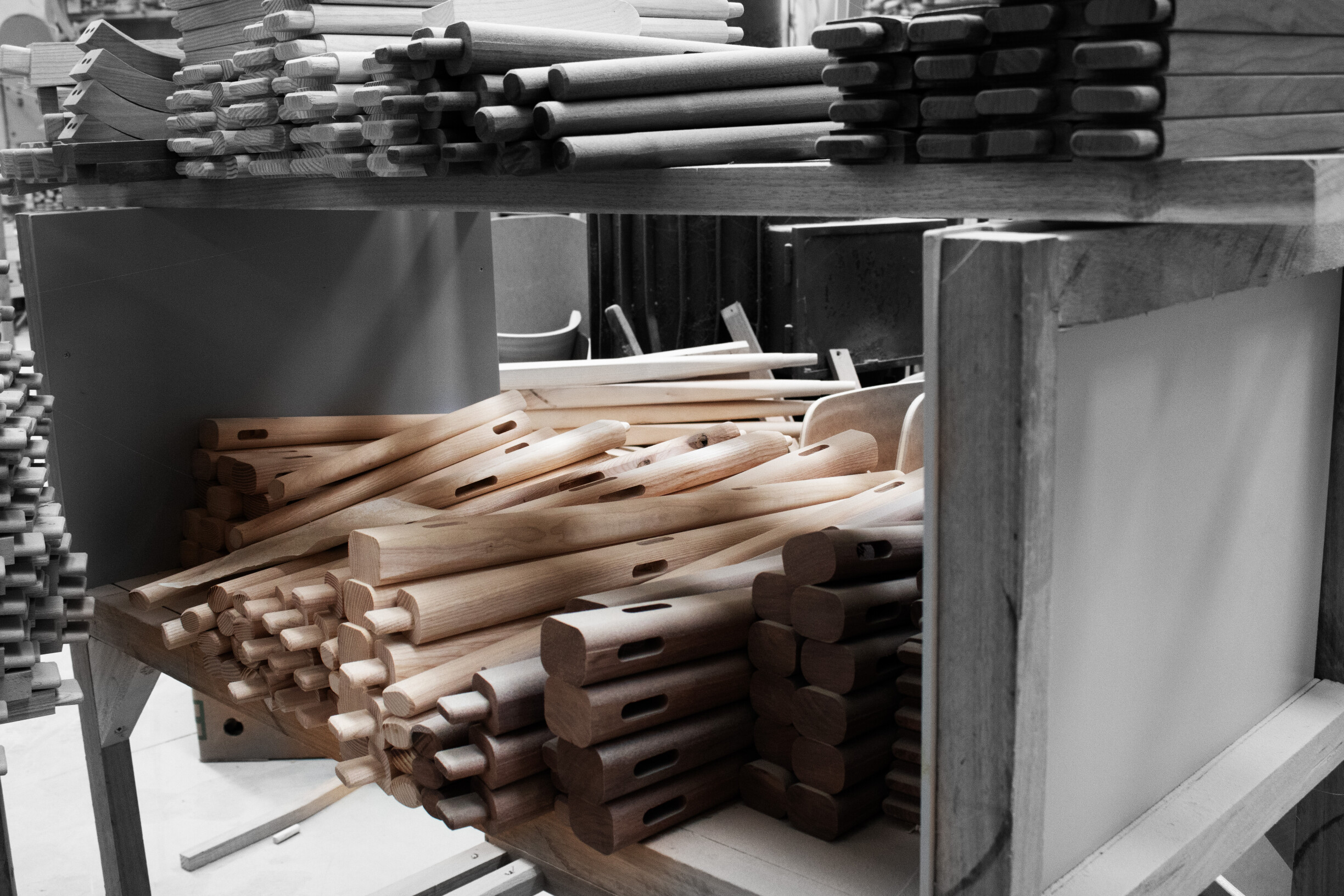
At Alma de Luce, material stability is treated as a fundamental stage of the creative and production process.
During manufacturing, the humidity state of each material is carefully monitored and tested to ensure optimal stability before production stages begin. Wood and other natural materials undergo controlled drying processes that aim to reduce internal moisture levels as much as possible.
Whenever necessary, additional drying phases are introduced during production to stabilize the material and minimize potential reactions after installation. This careful management of humidity helps reduce dimensional movement and ensures that each piece maintains its intended form, finish, and structural integrity over time.
By integrating technical knowledge with artisanal craftsmanship, Alma de Luce ensures that every piece combines emotional storytelling with material reliability.
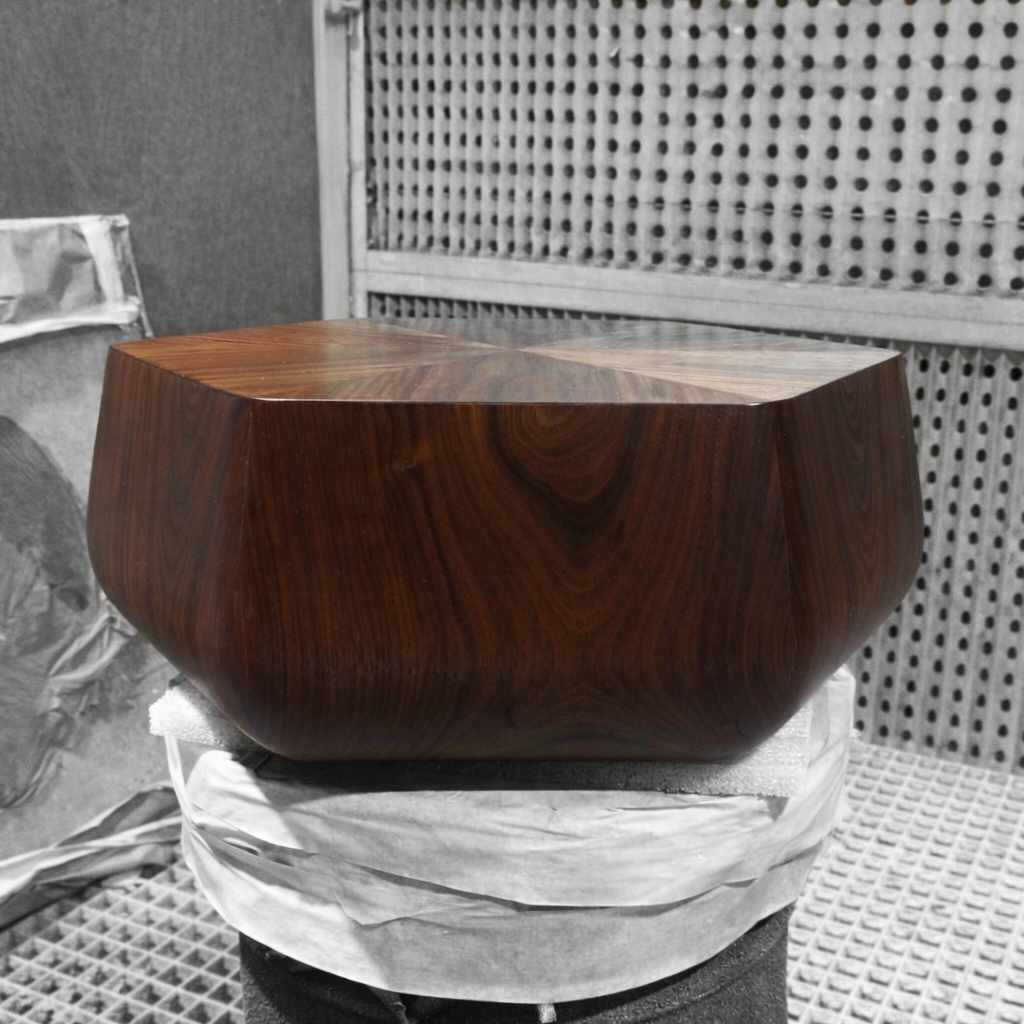
Humidity is an invisible yet powerful factor influencing the behaviour of luxury furniture. Because natural materials continuously interact with their environment, understanding and controlling humidity levels is essential for maintaining long-term performance.
Through careful material selection, controlled production processes, and environmental awareness, luxury furniture can preserve both its beauty and its structural stability for generations.
At Alma de Luce, this balance between craftsmanship, science, and design philosophy is what allows each creation to endure beyond trends and time.