Designer cabinets have gained new prominence in contemporary interior design. For decades, they were discreet pieces, relegated to the background and conceived primarily for their practical function. Today, they assume an entirely different status. They have become architectural elements within the furniture itself, capable of structuring a project, creating striking focal points, and introducing a visual narrative that transforms the spatial experience.
Furniture isn’t utilitarian anymore. It has become one of the most powerful means of communicating identity, intention, and aesthetic sensibility. And few pieces do this with the force of a luxury display case. When used well, it reveals stories, enhances objects with meaning, and organises the gaze of those entering a space. It becomes the element that distinguishes a competent project from a memorable one.
The evolution of cabinets reflects a global trend in design: the shift from decorative to meaningful. What was once just closed storage has transformed into a point of artistic expression. Designers are increasingly looking for furniture that has presence, contributes to the overall composition of the space, and introduces visual depth.
Today, a cabinet is not just for storage. It's for revelation. In a contemporary apartment, a narrow cabinet with a metal frame and smoked glass can create a smooth transition between the living room and hallway, functioning as a semi-transparent element that filters light and subtly displays objects. In an office, an elegant display case with few elements can replace the traditional full bookcase, introducing a more sophisticated and less visually saturated area.
This new role meets the demand for spaces with more soul, more intention, and more character.
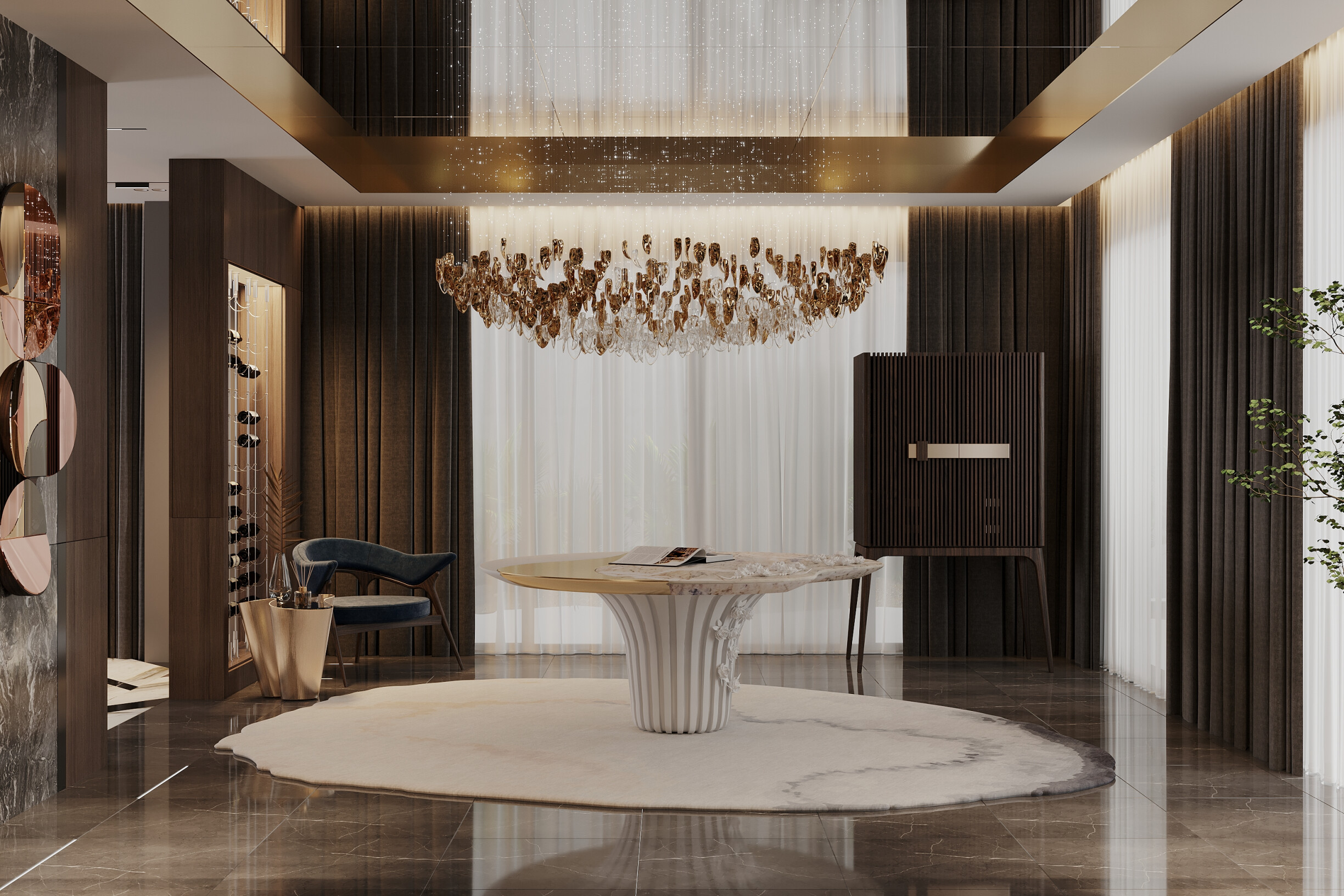
Contemporary cabinets result from the balanced fusion of three fundamental dimensions: function, art, and engineering. Each line, each joint, and each chosen material contributes to the piece fulfilling its purpose but also reveals a sculptural gesture that stands out in the project.
Designers look for pieces that have soul, that evoke emotion, and that become a reference point in the project. There are some practical principles that make this fusion possible:
Proportions designed to engage with the space: tall display case for generous ceiling height, wide and low display case for horizontal areas.
Materials that create contrast: dark wood with polished metal; clear glass with textured leather; warm lighting on cold surfaces.
Engineering that serves aesthetics: hidden fastening systems, recessed lighting, and almost invisible glass shelves that create a sense of floating.
These decisions elevate the furniture to a level that approaches sculpture without losing functional rigour.
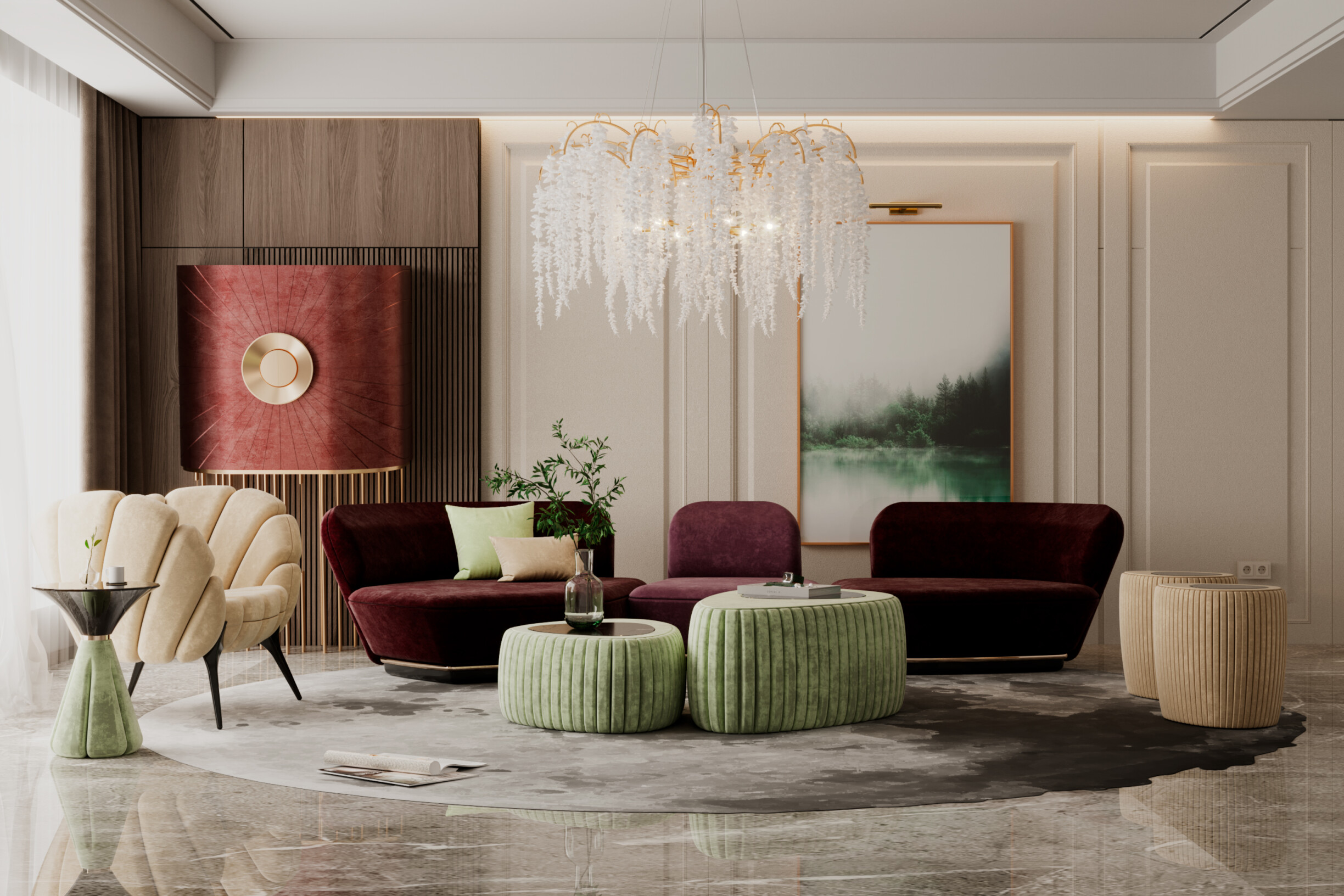
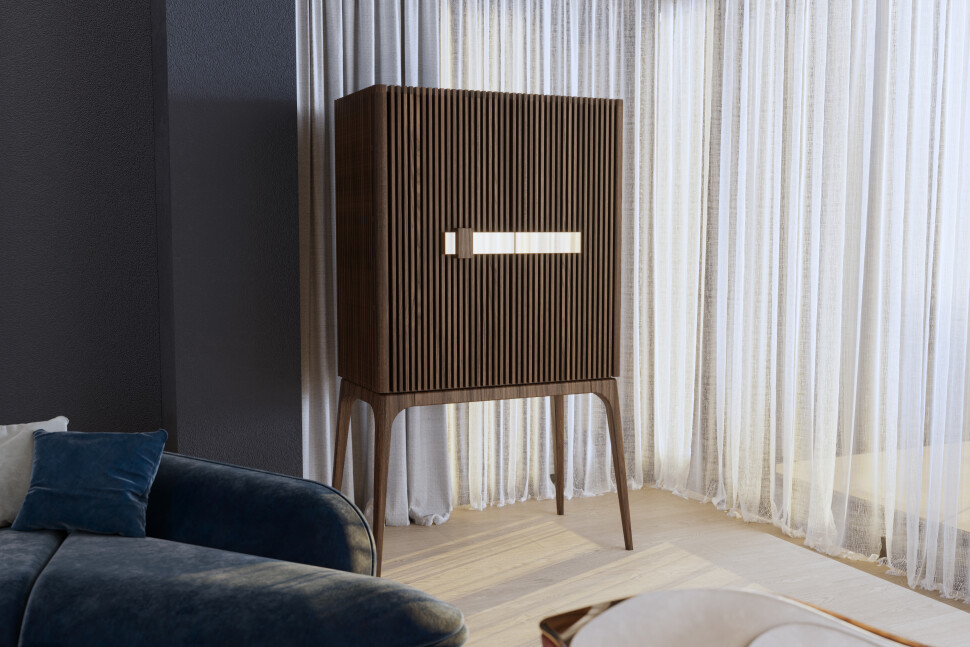
The Polonceau Cabinet is more than a luxury cabinet. It is an emblematic piece of ALMA DE LUCE, designed to honour one of the most significant engineering structures of the 19th century and transform it into a contemporary work of art. The brand does not merely reinterpret history: it recreates it with mastery, sensitivity, and artisanal rigour, translating structural heritage into sculptural furniture.
Each detail of the Polonceau Cabinet is born from a clear intention: to capture the essence of the famous Polonceau structure, a symbol of technical innovation, and bring it back to the present through a sophisticated aesthetic language. The result is a piece that reflects the distinctive soul of the brand: preserving memories, exalting meanings, and elevating design to an emotional dimension.
The creation of the Polonceau Cabinet demonstrates the technical and artistic mastery of ALMA DE LUCE:
Body in deep wood, meticulously crafted to enhance the verticality and robustness of the piece.
Nero leather applications add texture and tactile refinement to the piece.
The illuminated glass shelves create a sense of suspension and reveal objects with controlled drama.
The polished metal details serve to accentuate the architectural character and meticulous attention to detail.
A mirrored panel visually expands the structure and enhances the interior narrative.
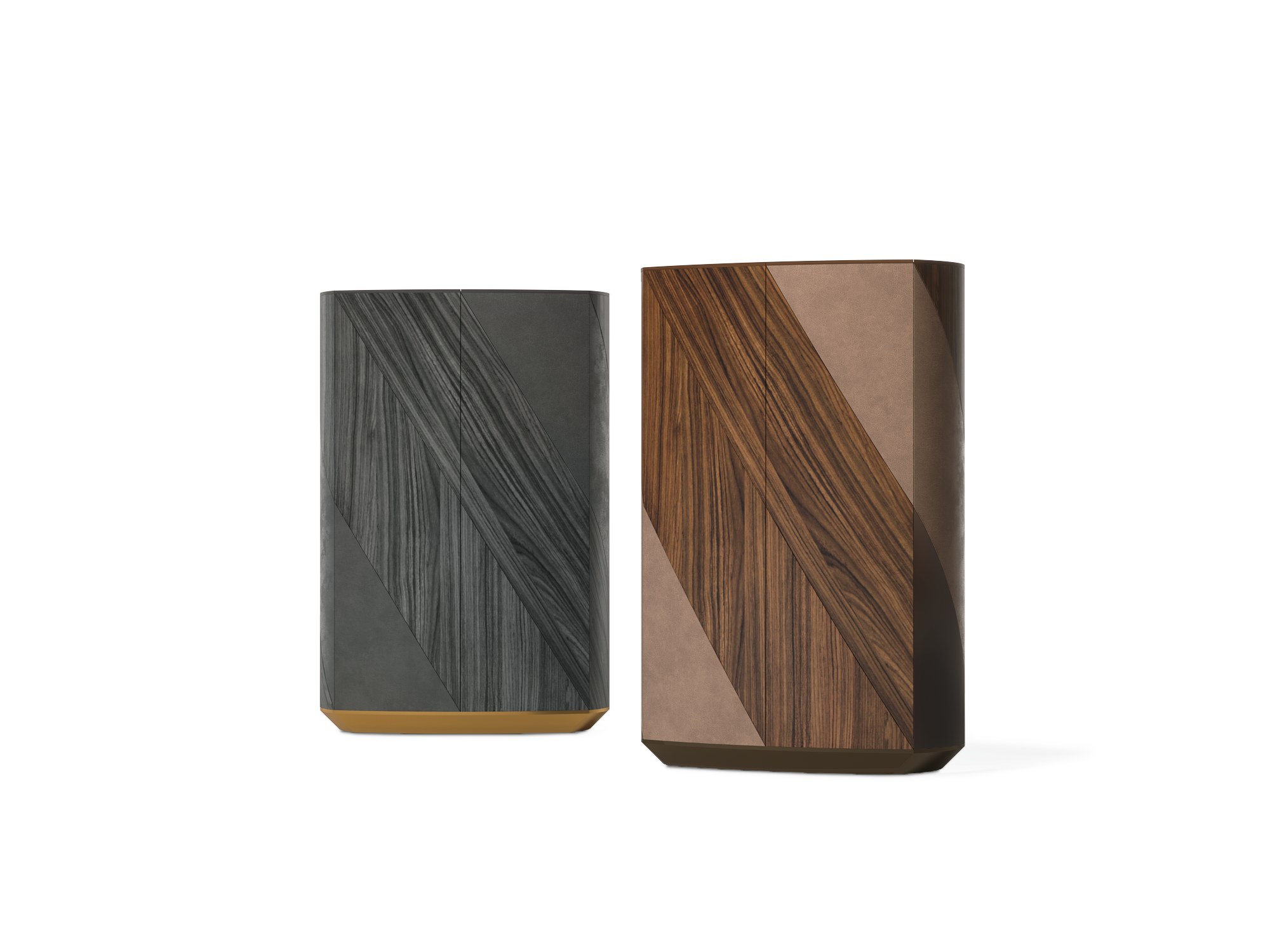
It's not a showcase. It's a microarchitecture within the space.
A piece that silently asserts itself, inviting contemplation and embodying the vision of ALMA DE LUCE: transforming cultural and structural heritage into furniture with soul, created for spaces seeking signature, distinction, and aesthetic depth.
The Polonceau Cabinet does not occupy space. Creates meaning. This exclusive, authentic, and profoundly differentiating ability makes the Polonceau Cabinet one of the most significant affirmations of ALMA DE LUCE's creative soul.
Transforming a cabinet into a statement piece requires more than just choosing an elegant model. The true impact arises in the way the piece is integrated into the space. For interior designers, mastering these three strategies (placement, lighting, and curation) means creating more intentional, balanced, and emotionally engaging areas. These decisions define the perception of furniture within the architectural context, shape the narrative of the space, and determine the user's relationship with the space.
When applied rigorously, these strategies elevate any display to a focal point, reinforce the project's identity, and demonstrate a professional approach capable of transforming the ordinary into the extraordinary.
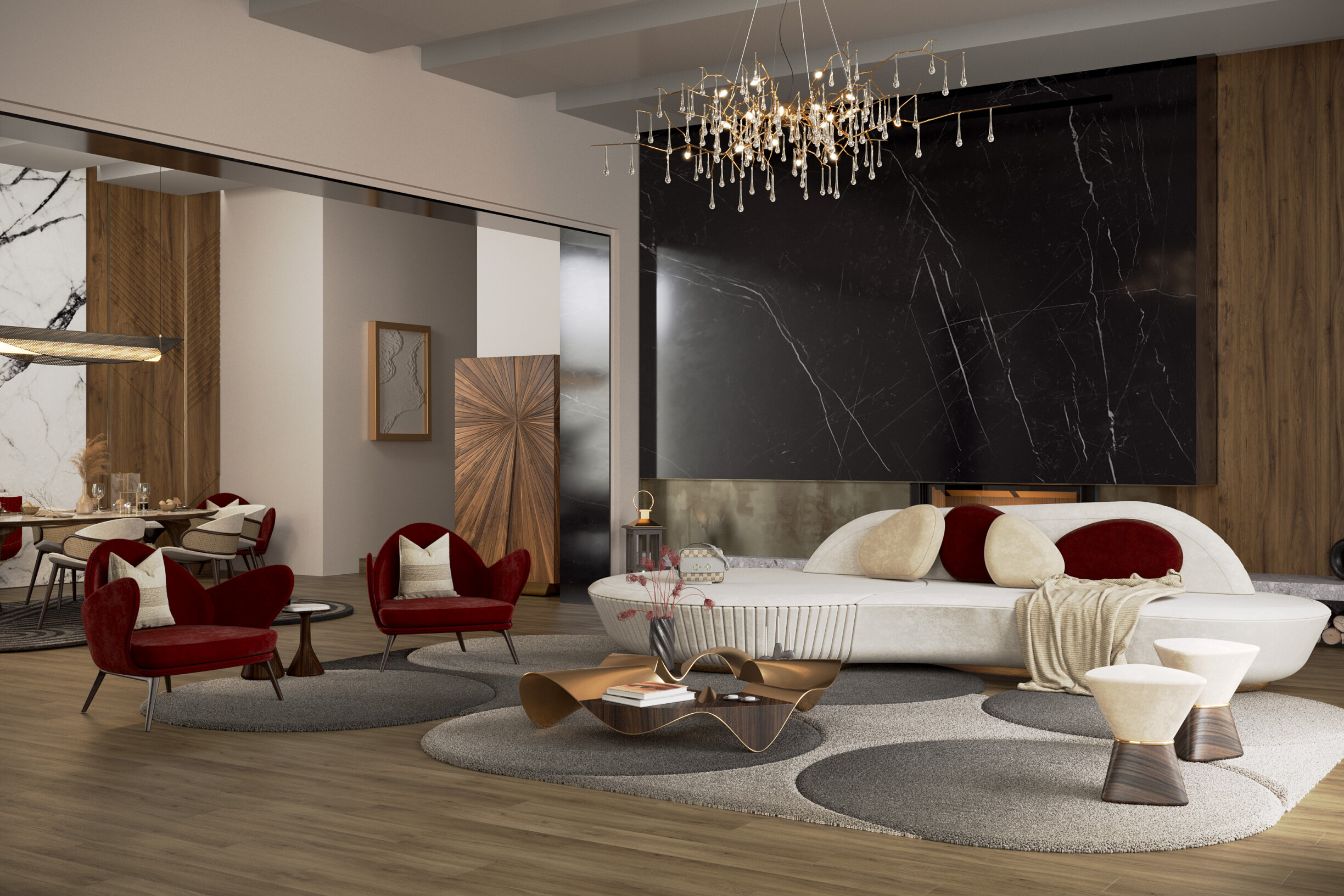
The correct positioning defines the impact of the piece. It should be thought of as if it were a work of art. So that the cabinet creates architecture within architecture, you can implement one of these positions:
Place the cabinet in the natural line of sight of anyone entering the room.
Use it to balance a wall with windows, introducing verticality.
Position it in an empty corner to transform a devalued area into a point of interest.
Light can transform the perception of the piece. Considering that the choice of light defines the space, making it more museum-like, more intimate, or more dramatic, you can opt for:
Diffuse overhead lighting to highlight the structure.
LEDs are integrated into the shelves to delicately reveal objects.
The spotlights are directed to create subtle shadows and depth.
The cabinet communicates through what it shows and what it decides not to show. Therefore, we must consider the interior of a good cabinet, which serves as a visual manifesto. How should we approach this?
Select three to five objects with symbolic or aesthetic value.
Create visual rhythm by alternating heights and textures.
Avoid excess: luxury is space, silence, and intention.
Design showcases reveal their true strength when introduced into spaces that demand character, intention, and a striking focal point.
In luxury residences, they become elements that balance functionality with artistic expression, creating more sophisticated and visually organised spaces. In executive offices, they replace traditional shelves and introduce a more architectural and contemporary language. In premium hospitality, they offer guests an immersive experience through selected objects, local craftsmanship, or cultural elements that reinforce the identity of the space.
These pieces are especially effective when the project lacks visual depth or a signature element capable of introducing rhythm and personality. The decision to integrate a cabinet should arise when the designer intends to create a room with its own narrative, where each displayed object contributes to building a distinct atmosphere. The right piece, positioned with intention and accompanied by precise curation, elevates the project and offers the user a richer and more immersive sensory experience.
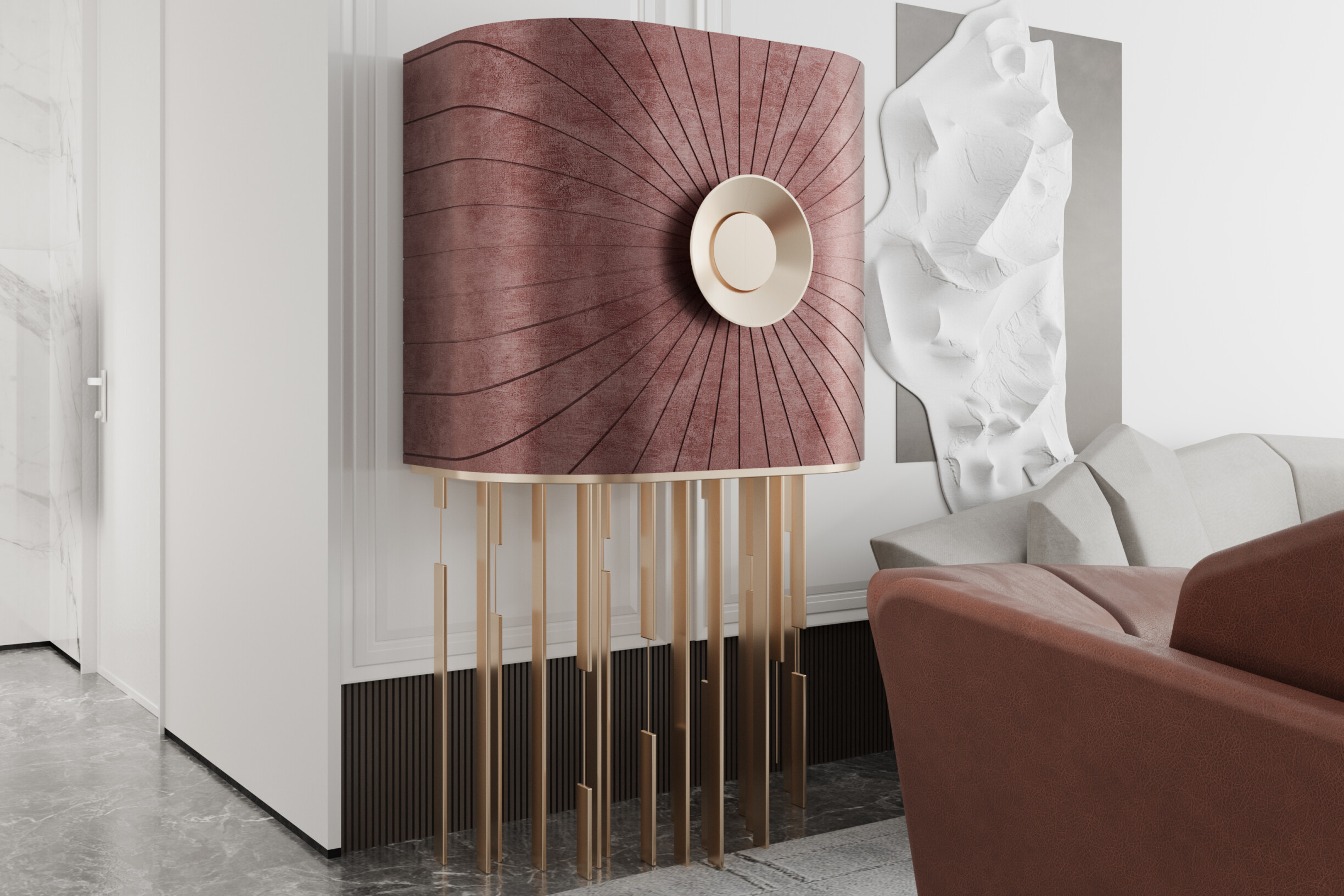
Design cabinets play a decisive role in creating sophisticated areas. They have ceased to be discreet pieces and have become structural, sculptural, and deeply expressive elements. When they combine function, engineering, and art, they reveal the identity of the project and expand the visual narrative of the space. Pieces like the Polonceau Cabinet demonstrate how furniture can transform into an architectural gesture capable of elevating any interior.
For those seeking inspiration and practical examples of how to integrate these affirmation pieces, we invite you to follow our Pinterest, where we continuously explore new ways to transform interior design projects through this type of furniture.