At Alma de Luce, wood is not merely a material - it is memory, time, and identity. Each piece is born from a subtle balance between technical expertise and aesthetic sensibility, where the material is respected in its essence and elevated through design.
Wood, as a living material, bears unique marks of its natural journey: variations in tone, knots, and small structural features that reveal the tree’s history. From a technical standpoint, it is an anisotropic, hygroscopic, and heterogeneous material. From an emotional standpoint, it is an element that brings depth, authenticity, and character to spaces.
Understanding these characteristics is fundamental not only to ensuring performance and durability, but also to recognizing the true value of design—one that arises from the harmony between nature and human creation.
No two pieces of wood are truly alike, and it is precisely in this uniqueness that their richness lies.
Variations in tone result from the very nature of the material. Differences between the heartwood and sapwood, the presence of natural compounds such as tannins and resins, the direction of the cut, and even exposure to light over time all contribute to a unique color palette in each piece.
Far from being considered imperfections, these nuances are nature’s invisible signature. They lend visual depth, create movement, and reinforce the object’s authenticity.
At Alma de Luce, each piece is carefully selected and crafted to ensure a balanced visual presentation, while always respecting the natural identity of the species. Absolute uniformity is not the goal - authenticity is.
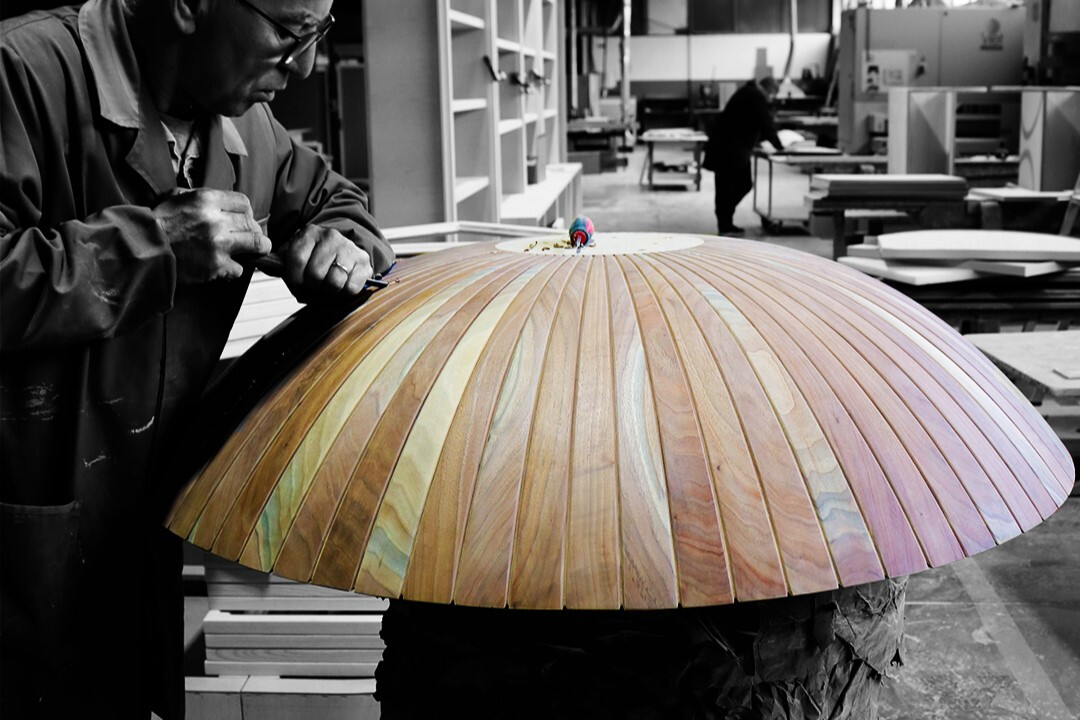
Knots are remnants of a tree’s growth, points where branches once existed and which remain as a physical reminder of that development.
From a technical standpoint, they represent discontinuities in the orientation of the wood fibers and can locally influence the mechanical behavior of the wood. However, when properly assessed and integrated, they become elements of strong aesthetic expression.
In many contemporary projects, knots are valued for their ability to introduce rhythm, contrast, and authenticity. They are details that break predictability and reinforce the connection to nature.
At Alma de Luce, each knot is rigorously analyzed, taking into account its stability, location, and structural impact. Only those that ensure integrity and visual balance are incorporated, ensuring that aesthetic expression never compromises the quality of the piece.
Wood is not static - it responds to its environment, adapts, and evolves. This characteristic is directly related to its hygroscopic nature, which causes it to expand and contract in response to changes in humidity and temperature.
This natural movement can, under certain circumstances, become visible in the form of small surface cracks, often referred to as checking. These microcracks are, in most cases, limited to the outer layers and do not compromise structural performance.
More than a defect, they are the expression of a material that remains alive, even after being transformed. They are signs of adaptation, of a dynamic balance between the piece and the space surrounding it.
Nevertheless, their assessment is essential. Stable surface cracks are acceptable and are part of wood’s natural behavior. Deep, progressive cracks, or those located in structural areas, require technical analysis, as they may indicate excessive internal stresses or inadequate environmental conditions.
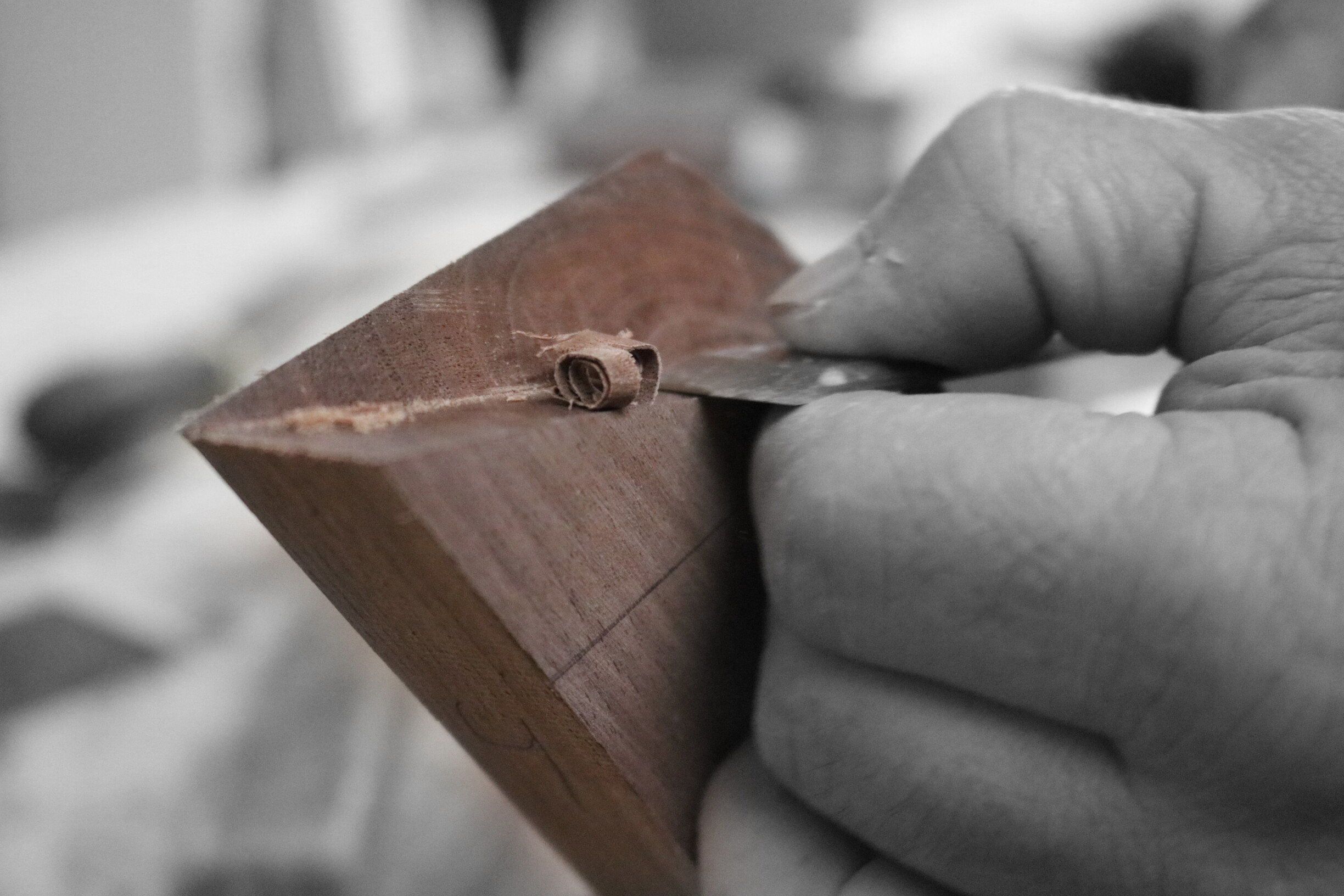
The performance of wood is intrinsically linked to its environment. Its dimensional and aesthetic stability depend on balanced temperature and humidity conditions; moderate ranges and gradual changes are recommended.
When exposed to sudden changes, wood may react by warping, causing joints to open, or intensifying cracks. Therefore, understanding the context of use is an integral part of the design and specification process.
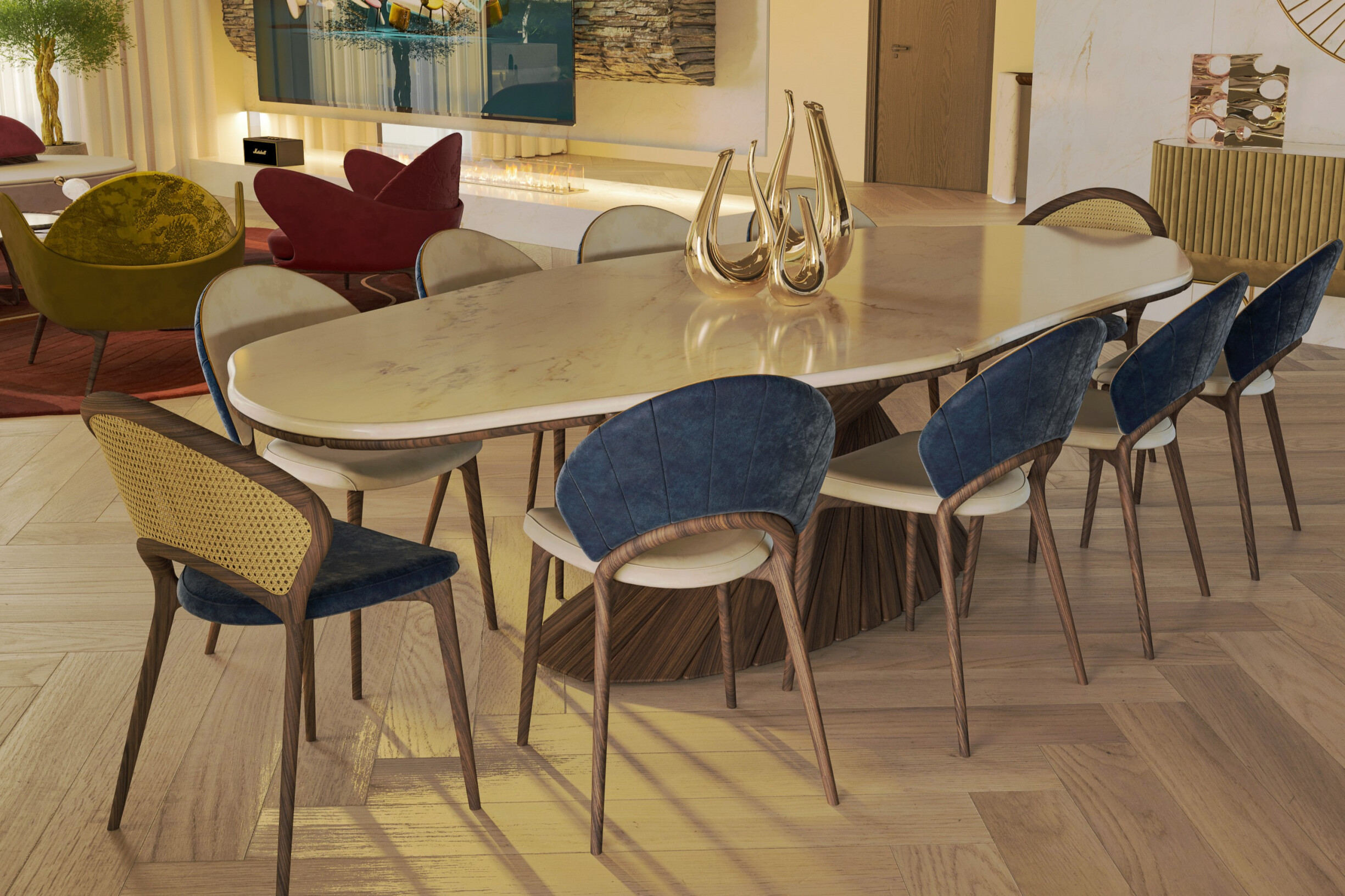
In a market accustomed to industrial perfection, the natural characteristics of wood may, at first glance, be interpreted as imperfections. However, it is precisely in these characteristics that its most authentic value lies.
The role of design and of Alma de Luce, is to transform that perception. Through clear and thoughtful communication, the customer is invited to understand the material, recognize its uniqueness, and appreciate what cannot be replicated.
Thus, imperfection ceases to be seen as a flaw and comes to be understood as identity.
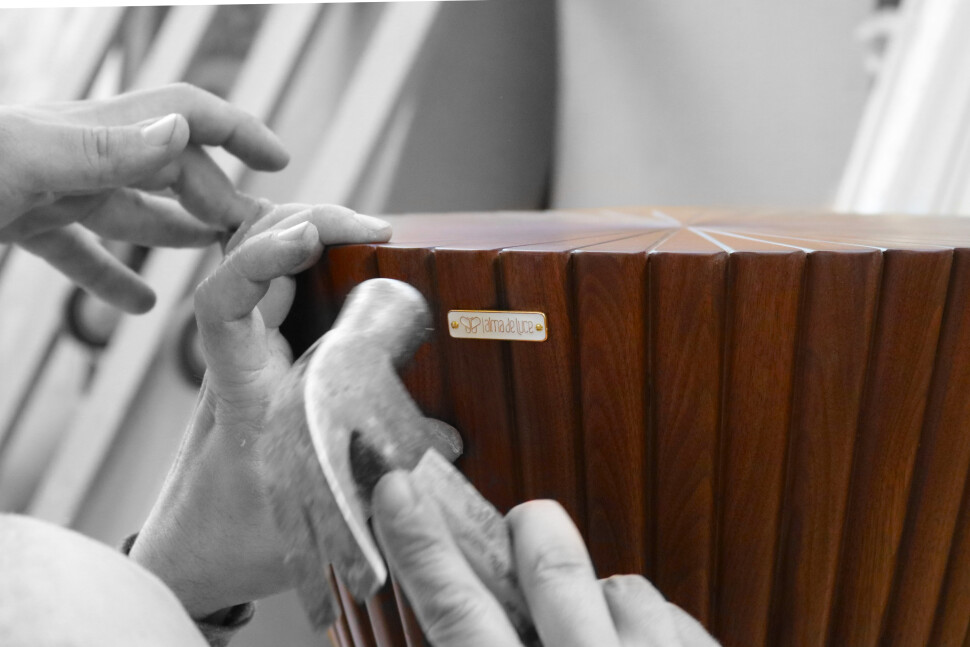
Each piece is the result of a process in which technical precision and aesthetic sensitivity coexist. The careful selection of raw materials, strict control of the production process, and masterful craftsmanship allow the natural characteristics of the wood to be incorporated with precision.
It is this balance that ensures not only durability and performance, but also the aesthetic coherence and emotional value of the object.
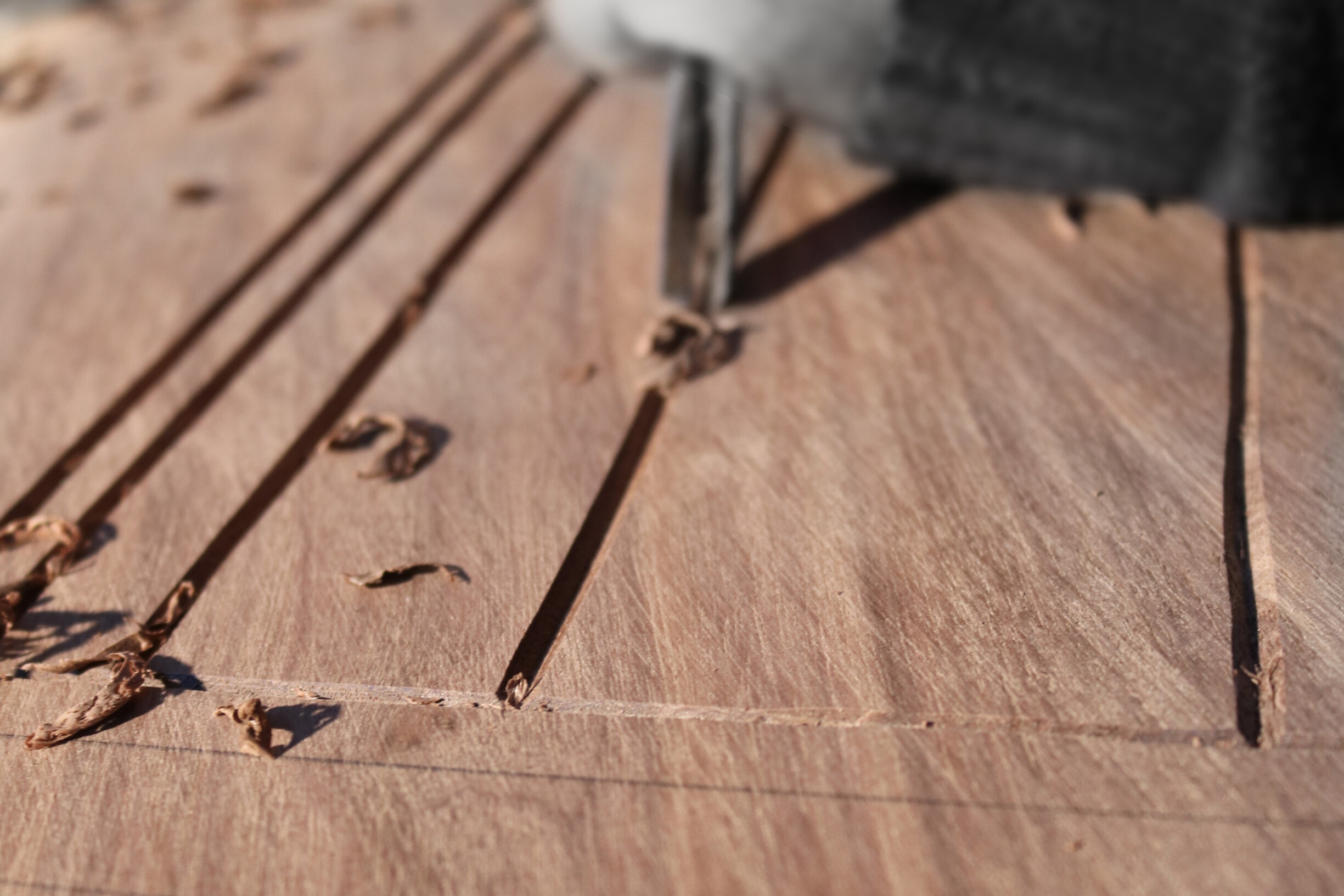
At Alma de Luce, luxury is not defined by uniformity, but by authenticity.
It is the ability to recognize beauty in imperfection, to respect the nature of the material, and to transform each piece into a unique expression. Wood, with all its variations and marks, is not something to be corrected, it is something to be understood and celebrated.
Because it is precisely in that imperfection that its perfection lies.