Solid wood furniture is an investment designed to last for decades, and often to be passed down through generations. Its durability, authenticity, and ability to age gracefully make it one of the most valued choices in contemporary interior design.
However, the longevity of wood depends not only on the quality of the material itself but also on the care it receives over time. From regular cleaning to maintaining optimal environmental conditions, small actions can make a significant difference in preserving its appearance and performance.
Unlike synthetic materials, wood is a natural hygroscopic material, meaning it absorbs and releases moisture according to the surrounding environmental conditions.
This characteristic is part of its authenticity, but it also means that factors such as humidity, temperature, sunlight exposure, and ventilation directly influence how wood behaves over time.
When properly maintained, wood develops a natural patina that enhances the beauty of the piece and reinforces its unique character. When exposed to unsuitable products or unfavorable conditions, it may experience premature wear of finishes, color changes, or unnecessary structural movement.
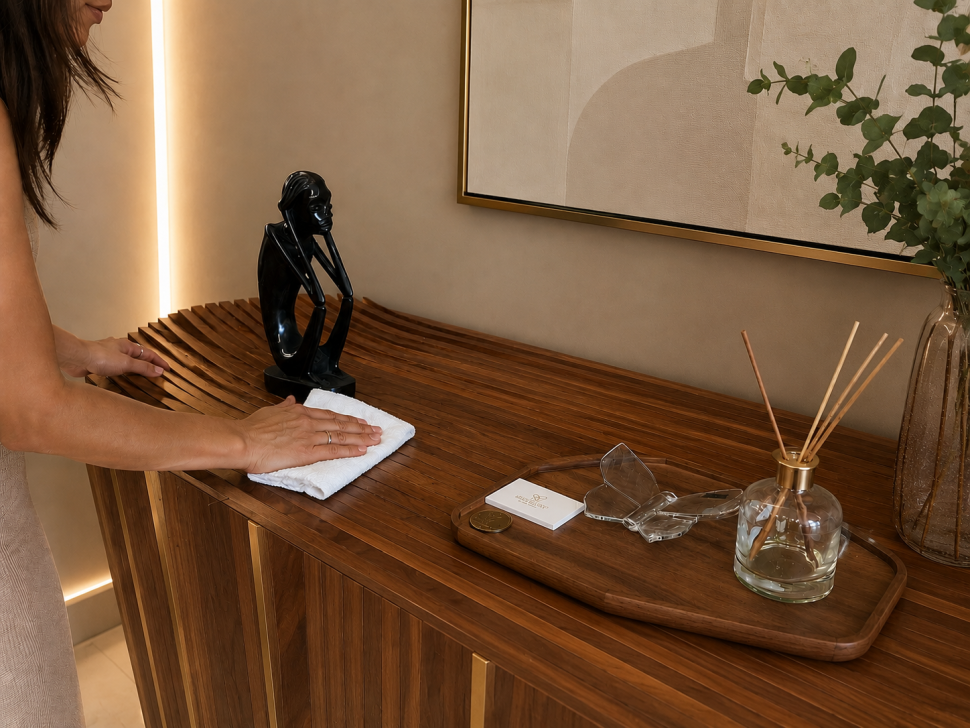
Regular dust removal is one of the simplest and most effective ways to preserve solid wood furniture.
Although dust may appear harmless, it is made up of fine particles that can act as mild abrasives when accumulated on surfaces. Over time, this can contribute to a gradual loss of luster and wear on protective finishes.
For daily or weekly cleaning, we recommend:
Cleaning should be carried out using gentle movements, ideally following the natural grain of the wood to minimize friction on the surface.
A simple dusting routine not only preserves the appearance of the piece but also helps prevent the accumulation of moisture and dirt.
When it comes to cleaning wood furniture, the general rule is simple: less is more.
Many household cleaning products contain substances that can compromise the protective finishes applied to wood, affecting its appearance over time.
The following should be avoided:
On the other hand, the following are generally recommended:
Before applying any product to a visible surface, it is advisable to test it on a discreet area first.
Using the right products helps preserve the protective finish without compromising the texture, color, or authenticity of the wood.
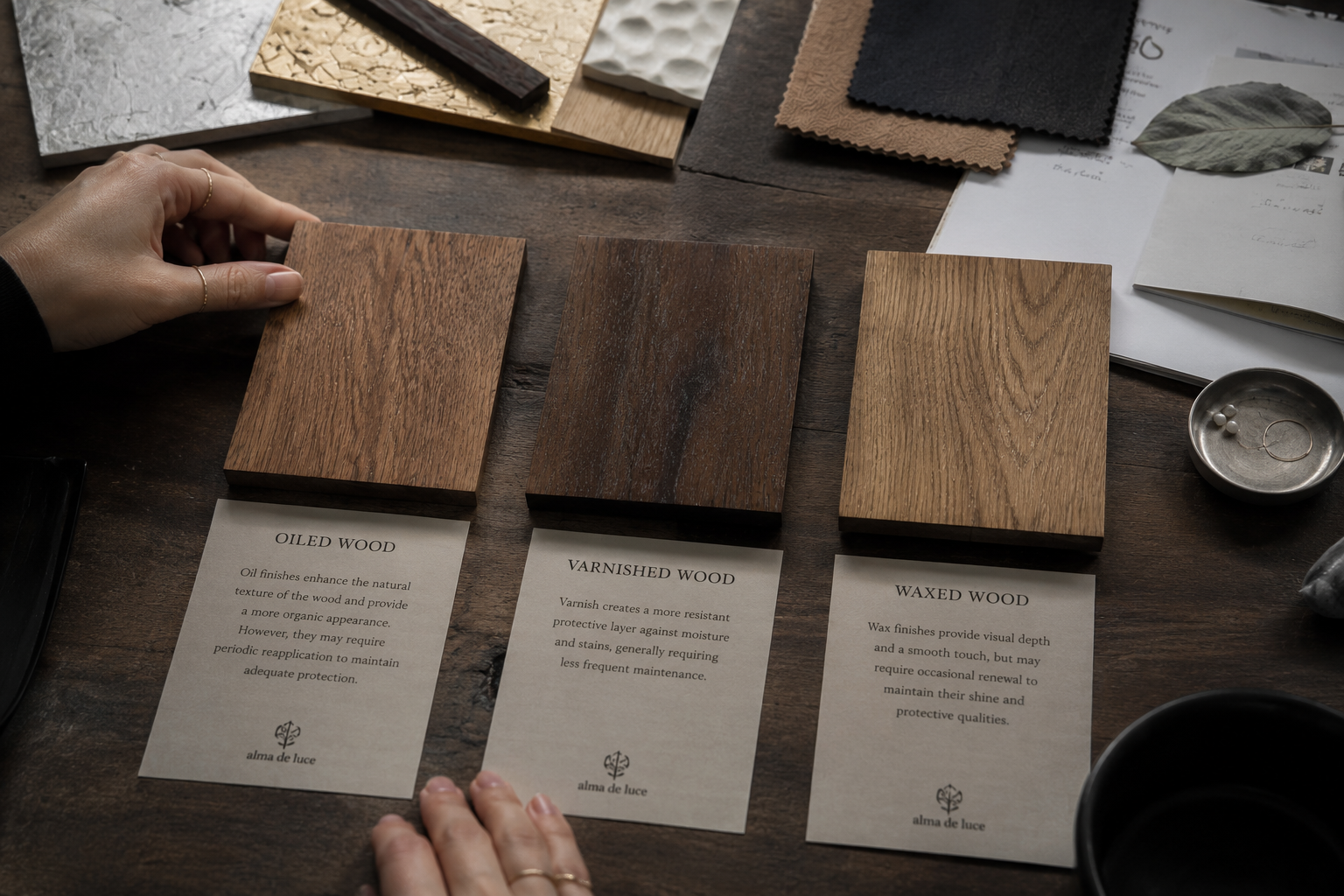
Before using any cleaning or maintenance product, it is important to identify the type of finish applied to the piece. Varnished, oiled, and waxed wood require different care routines and may benefit from products specifically developed for their respective finishes. When in doubt, always follow the furniture manufacturer's recommendations.
Maintenance requirements vary depending on the finish applied to the furniture.
Oiled Wood - Oil finishes enhance the natural texture of the wood and provide a more organic appearance. However, they may require periodic reapplication to maintain adequate protection.
Varnished Wood - Varnish creates a more resistant protective layer against moisture and stains, generally requiring less frequent maintenance.
Waxed Wood - Wax finishes provide visual depth and a smooth touch, but may require occasional renewal to maintain their shine and protective qualities. Understanding the type of finish on your furniture is essential for selecting the most appropriate maintenance products and methods.
One of the most common mistakes in wood furniture care is using too much water during cleaning.
While a small amount of moisture is generally safe, excessive water can penetrate the pores of the wood or affect protective finishes.
To avoid potential issues:
This recommendation is especially important in kitchens, dining areas, coastal homes, or spaces with high levels of humidity.
Preserving wood furniture involves much more than cleaning alone.
Environmental conditions have a significant impact on the performance of natural materials over the years.
To help protect your furniture, we recommend:
These measures help minimize internal stresses within the wood, contributing to greater dimensional stability and long-term durability.
Seasonal changes can influence the behavior of wood.
Maintaining balanced indoor conditions throughout the year helps reduce these effects and preserve the stability of the furniture.
Even with the best intentions, certain habits can compromise the durability of wood furniture:
Avoiding these simple mistakes can significantly extend the lifespan of your furniture.
Consistent maintenance is generally more effective than occasional intensive treatments.
As a guideline:
Regular attention allows potential signs of wear to be identified before they develop into more significant issues.
At Alma de Luce, each wood species is selected not only for its visual beauty but also for its stability, long-term performance, and ability to age gracefully.
Finishing processes are carefully developed to protect the raw material while enhancing its natural characteristics, respecting the authenticity of every piece.
Understanding how materials interact with their environment is an integral part of our design philosophy and our commitment to creating furniture that is made to last for generations.
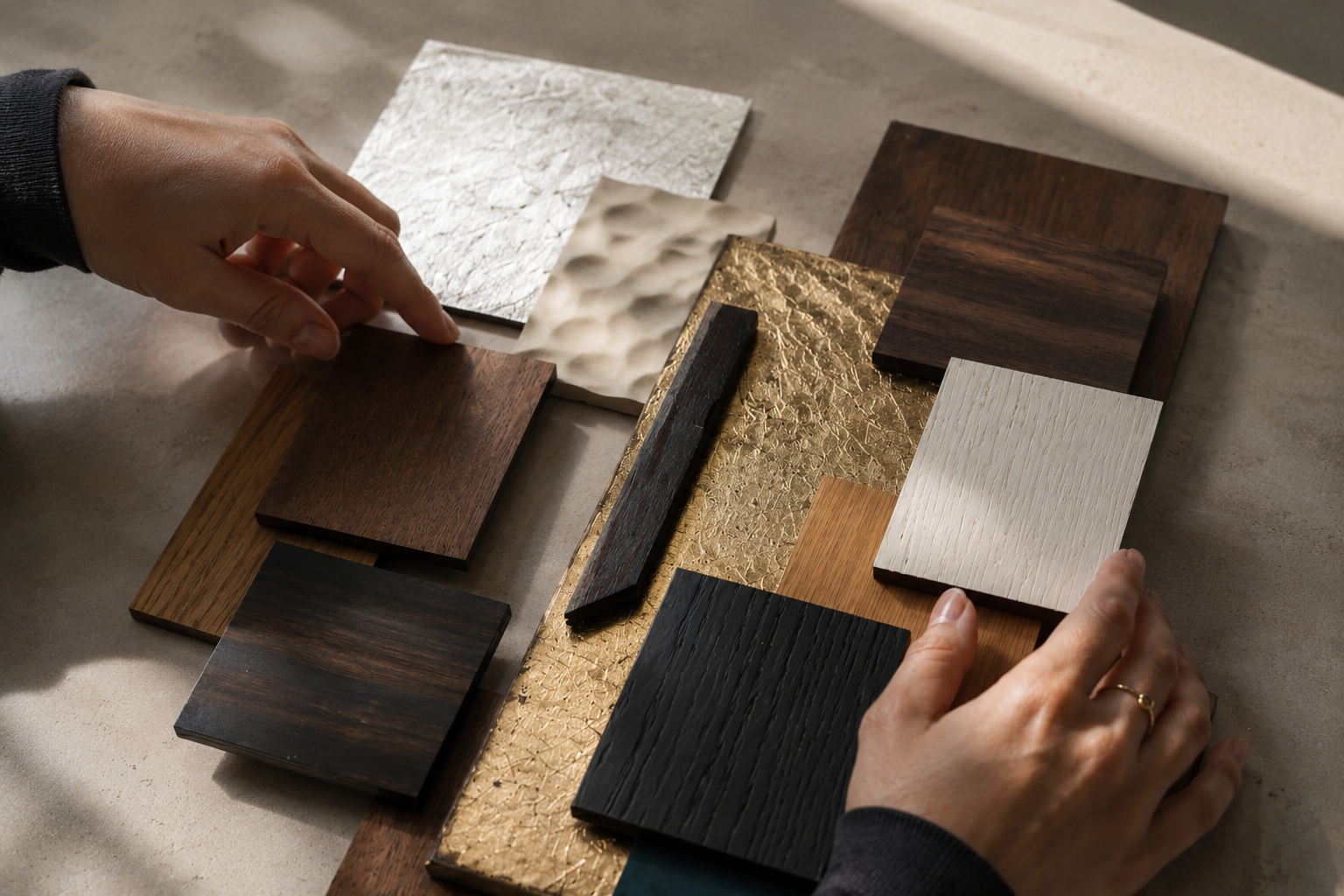
Solid wood is more than just a material. It is a living resource that evolves over time, developing character, depth, and a unique beauty that cannot be artificially replicated.
With appropriate cleaning practices, suitable maintenance products, and attention to environmental conditions, every piece can retain its elegance for decades. More than preserving furniture, these care practices help preserve stories, memories, and a legacy of craftsmanship that can be passed down through generations.