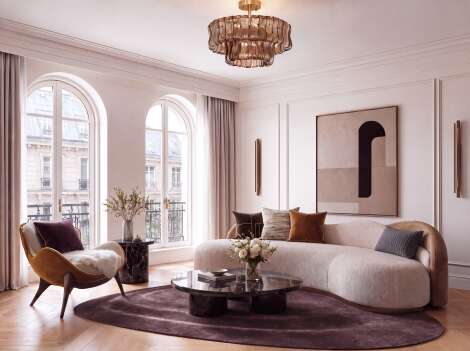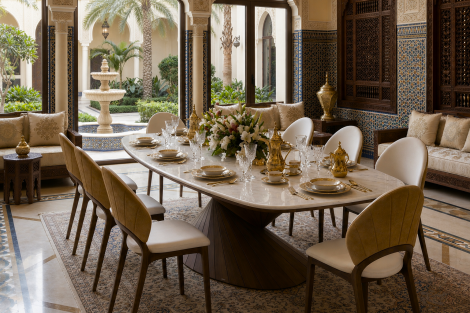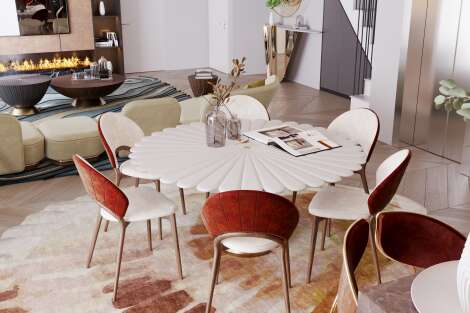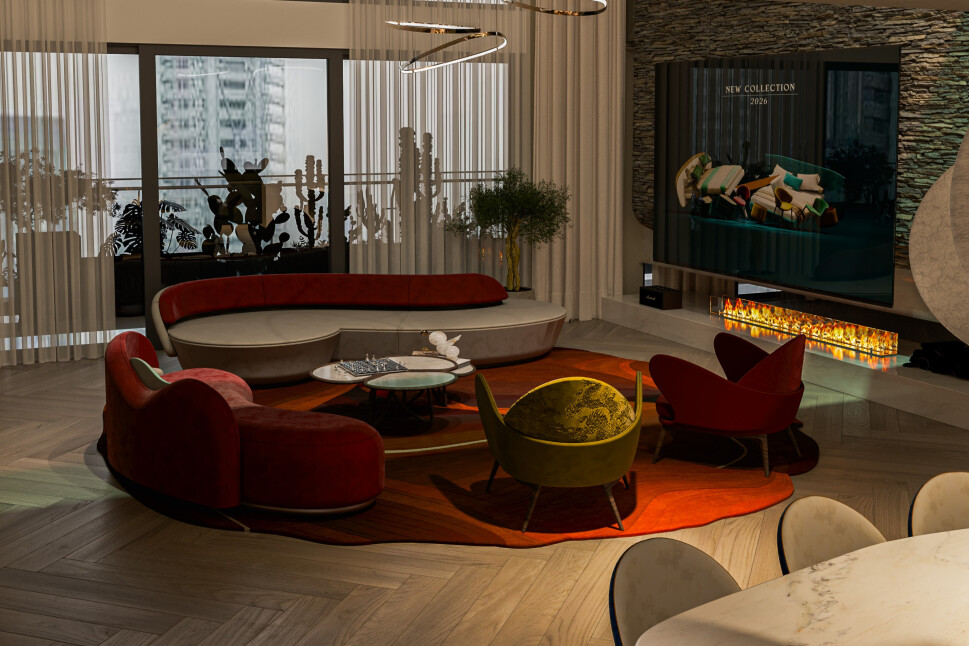
In recent years, contemporary design has moved away from purely aesthetic trends and begun embracing something more meaningful: identity. Across architecture, fashion, and interior design, there is a growing appreciation for pieces that reflect cultural heritage, local craftsmanship, and authentic narratives.
This shift has transformed cultural design into one of the most significant movements shaping luxury interiors today. Rather than creating objects designed only to follow trends, designers and brands are increasingly focused on creating pieces with emotional depth and contextual relevance.
As global interiors become more connected, there is also a growing desire for individuality. Designers are no longer searching for generic furniture capable of fitting every environment equally. Instead, they seek pieces that bring character, memory, and cultural significance into a space. In this context, identity itself becomes a luxury value.
For many years, contemporary interiors were dominated by neutral and highly standardised aesthetics. While minimalism and simplicity continue to influence design, there is now a clear movement away from spaces that feel anonymous or disconnected from place and culture.
Today’s luxury interiors increasingly prioritise identity in design. Designers are selecting furniture that introduces narrative and emotional resonance rather than purely decorative value. This evolution reflects a broader cultural change. Clients are becoming more interested in understanding the inspiration behind a piece - where it comes from, what influenced its creation, and what story it tells.
As a result, furniture is no longer perceived solely as a functional object. It becomes part of the atmosphere and cultural language of an interior. This growing appreciation for furniture with a story is redefining how luxury spaces are curated.
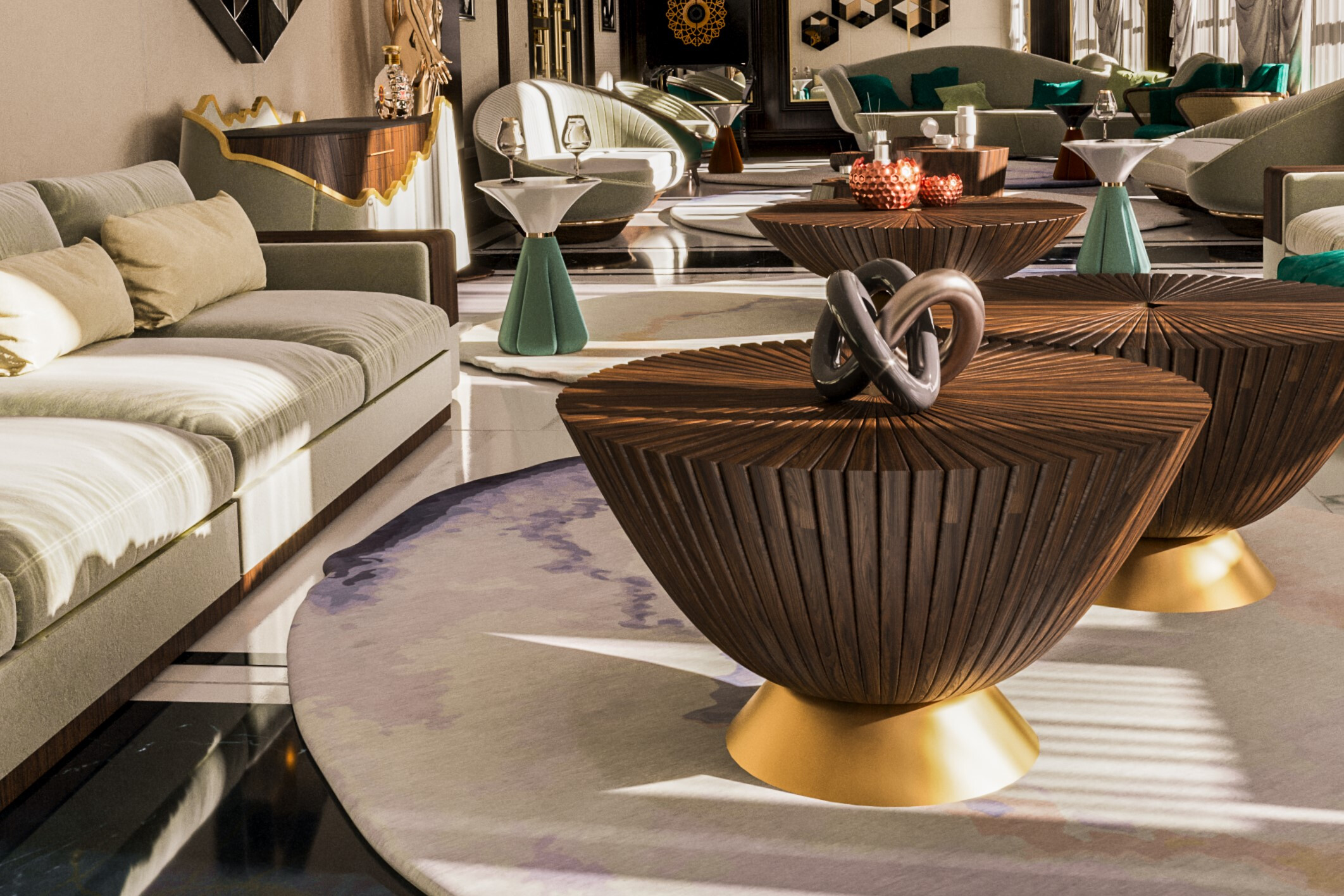
One of the defining characteristics of heritage inspired design is its ability to reinterpret tradition through a contemporary lens. Rather than reproducing historical forms literally, contemporary designers draw inspiration from architecture, landscapes, craftsmanship techniques, mythology, and cultural symbols, transforming them into modern furniture pieces with sculptural and timeless qualities.
This dialogue between heritage and innovation allows cultural references to evolve naturally within contemporary interiors. Within luxury furniture design, this approach creates pieces that feel both emotionally rooted and globally relevant. Materials, proportions, and textures become vehicles for storytelling, connecting contemporary spaces with deeper cultural narratives.
This balance between tradition and modernity is what allows luxury cultural design to remain timeless rather than trend-driven.
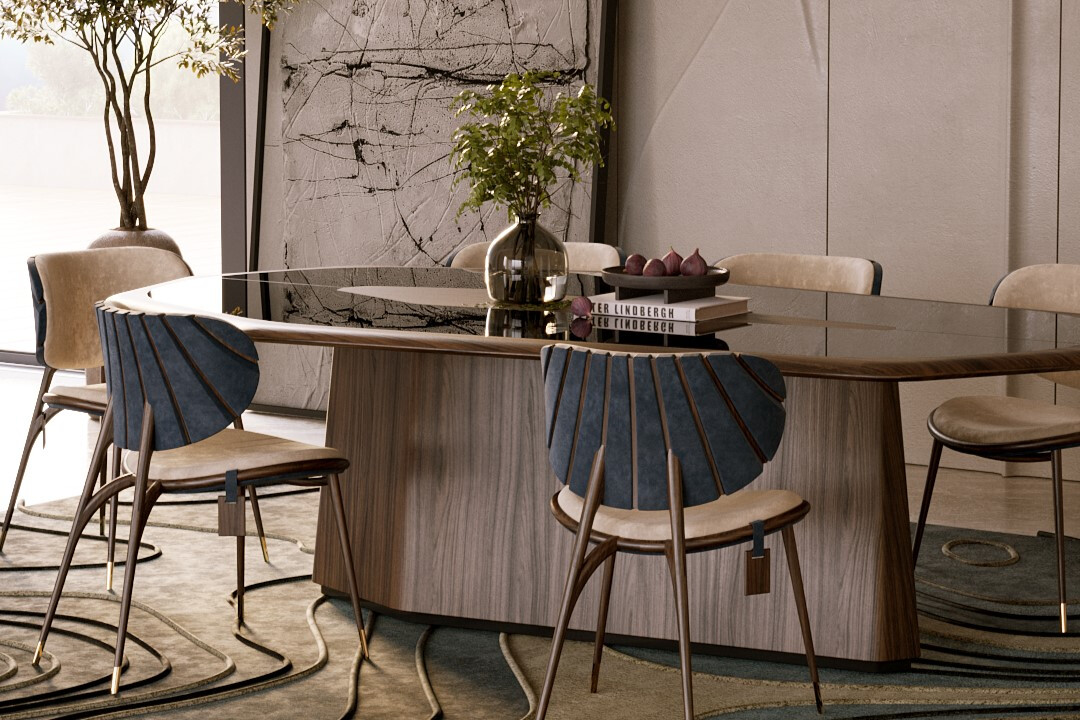
In contemporary luxury, storytelling has become increasingly important. Beyond aesthetics and material quality, clients are looking for emotional connection and authenticity. Objects that carry narrative value create more memorable interiors because they establish a relationship between space, culture, and personal experience.
This is particularly evident in high-end furniture, where inspiration drawn from historical references or natural landscapes can transform a piece into something more meaningful than its functional purpose alone.
Within the Alma de Luce collection, cultural storytelling plays a central role in the creative process. Many pieces are inspired by architectural heritage, historical figures, or symbolic narratives that are translated into contemporary furniture forms. Through this approach, design becomes not only visual but also emotional and cultural.
At Alma de Luce, cultural identity is deeply embedded within the design philosophy of the brand. Each collection is developed through a dialogue between heritage, craftsmanship, and contemporary aesthetics.
Rather than following temporary trends, Alma de Luce creates furniture that reflects memory, cultural references, and artisanal knowledge. This approach allows each piece to maintain a distinctive presence while remaining adaptable to contemporary luxury interiors.
From sculptural forms to carefully selected materials and handcrafted details, the brand embraces cultural design as a way of creating objects with authenticity and permanence. In a design landscape increasingly saturated with repetition, identity becomes one of the most valuable forms of distinction.
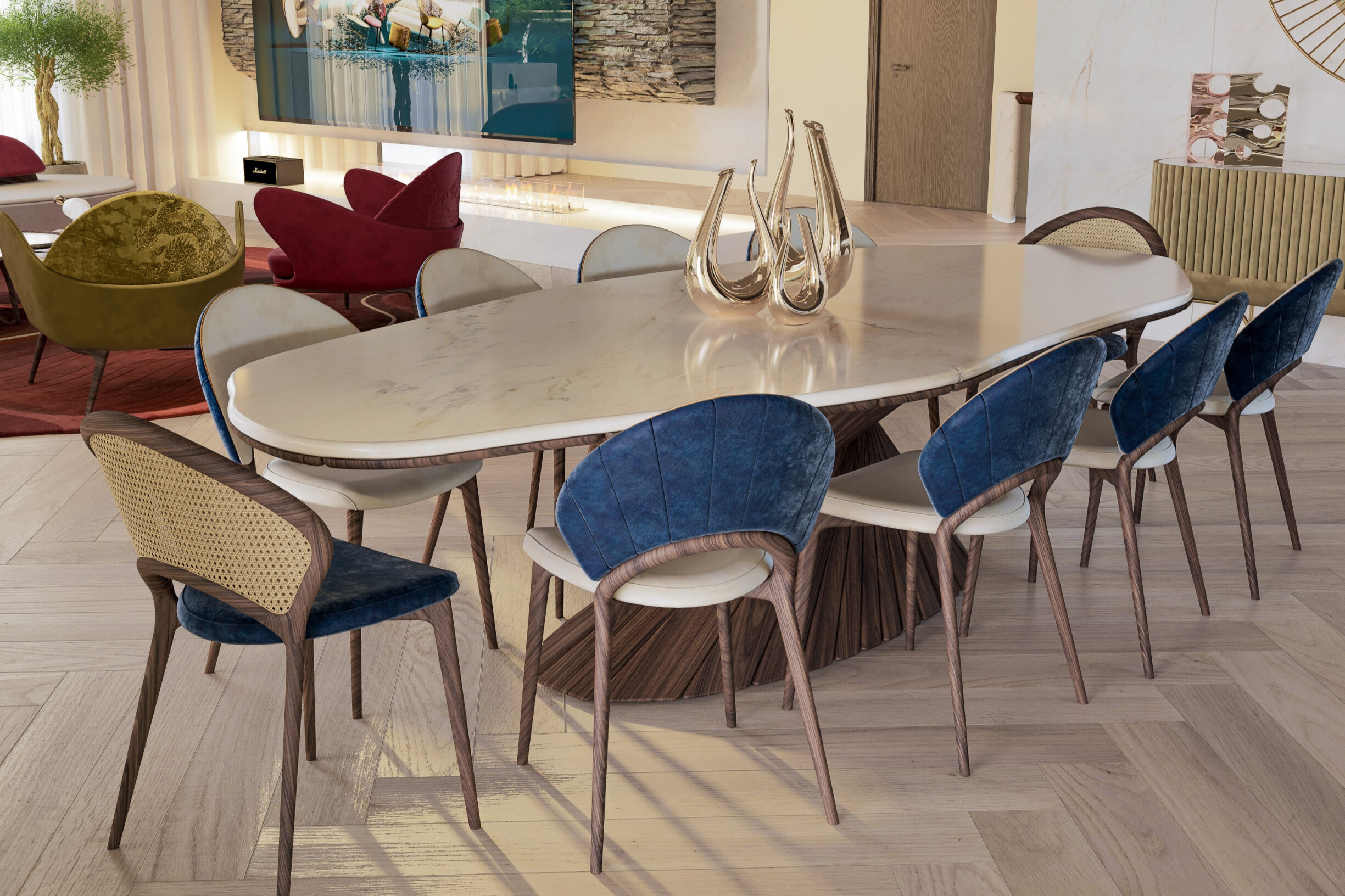
As contemporary interiors continue to evolve, the importance of cultural identity in design becomes increasingly evident.
Today’s luxury spaces are no longer defined solely by visual refinement, but by their ability to communicate atmosphere, emotion, and narrative. Through craftsmanship, heritage, and storytelling, contemporary furniture gains the ability to create interiors that feel personal, timeless, and deeply connected to human experience.
In this context, design with cultural identity is not simply a trend - it is a return to meaning.