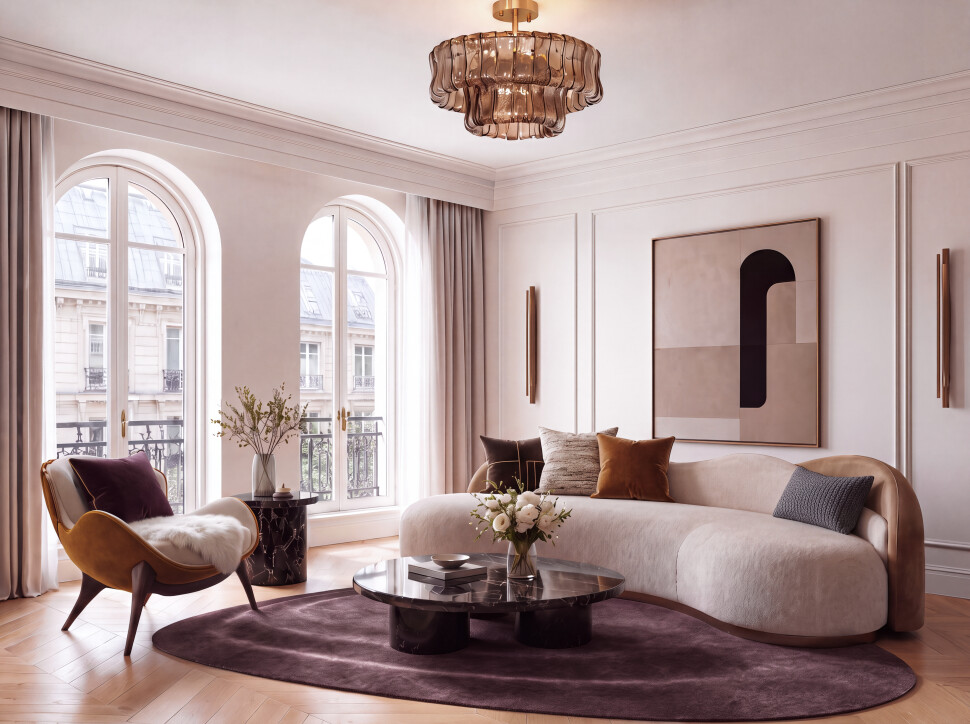
A home with soul isn't created through budget alone. It's created with intention.
Anyone who has ever walked into a room that made them stop in their tracks knows exactly what we mean. It isn't necessarily the most expensive piece in the room. It's the way everything speaks to one another, as though the entire space knows exactly what it wants to say. Designer furniture is often what makes that conversation possible.
The difference between a decorated home and a home with identity is subtle, yet profound. One can be dismantled and recreated with different pieces. The other cannot, because it has been shaped by choices that carry history, intention, and a presence of their own.
Mass-produced furniture is designed to appeal to the broadest possible audience. It serves everyone, and therefore speaks to no one in particular. Proportions are calculated to fit average-sized homes. Finishes are selected to appeal to the majority. The result is functional, but silent.
When you walk into a home furnished entirely with pieces from mainstream retailers, that is often precisely what you feel: the absence of a statement. The space exists, but it reveals very little about the people who live there.
This isn't a question of taste. It's a question of scale and origin. A piece designed for millions of people cannot, by definition, tell the story of one particular individual.
Designer furniture begins with a narrative, an idea rooted not in the latest trend, but in a memory, a place, a symbol, or a concept. It is crafted from materials selected for reasons that go far beyond cost, by skilled hands that understand the value of their work.
It is not synonymous with extravagance. Some designer pieces are remarkably understated, almost austere. What distinguishes them is their depth, the sense that they could not have been conceived any other way, that every decision has been deliberate.
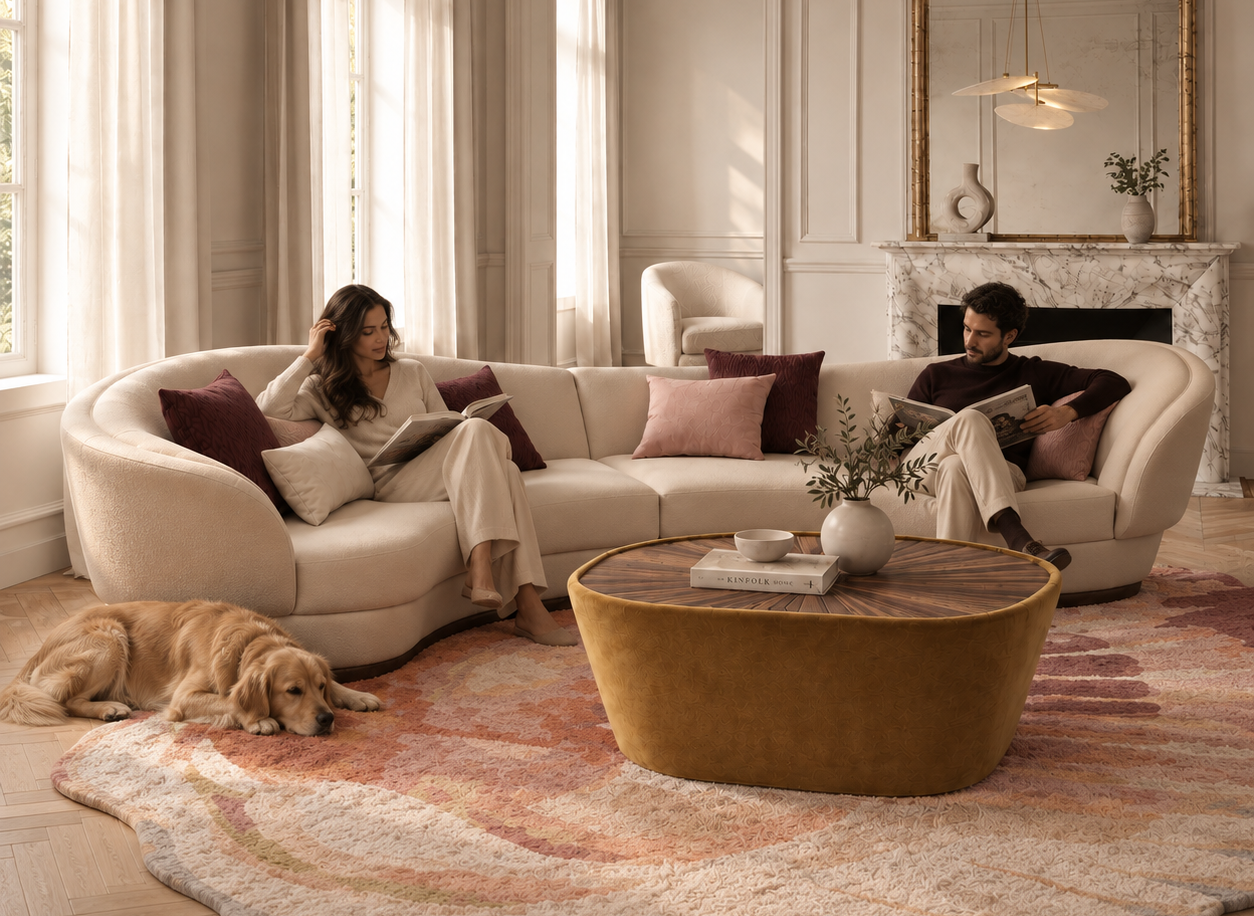
A sofa whose curves evoke the waves of a coastline the client has known since childhood. A table with a finish reminiscent of the granite walls of a family estate. A chair that appears sculpted rather than assembled.
That is presence, and presence is what transforms a room into a space with identity.
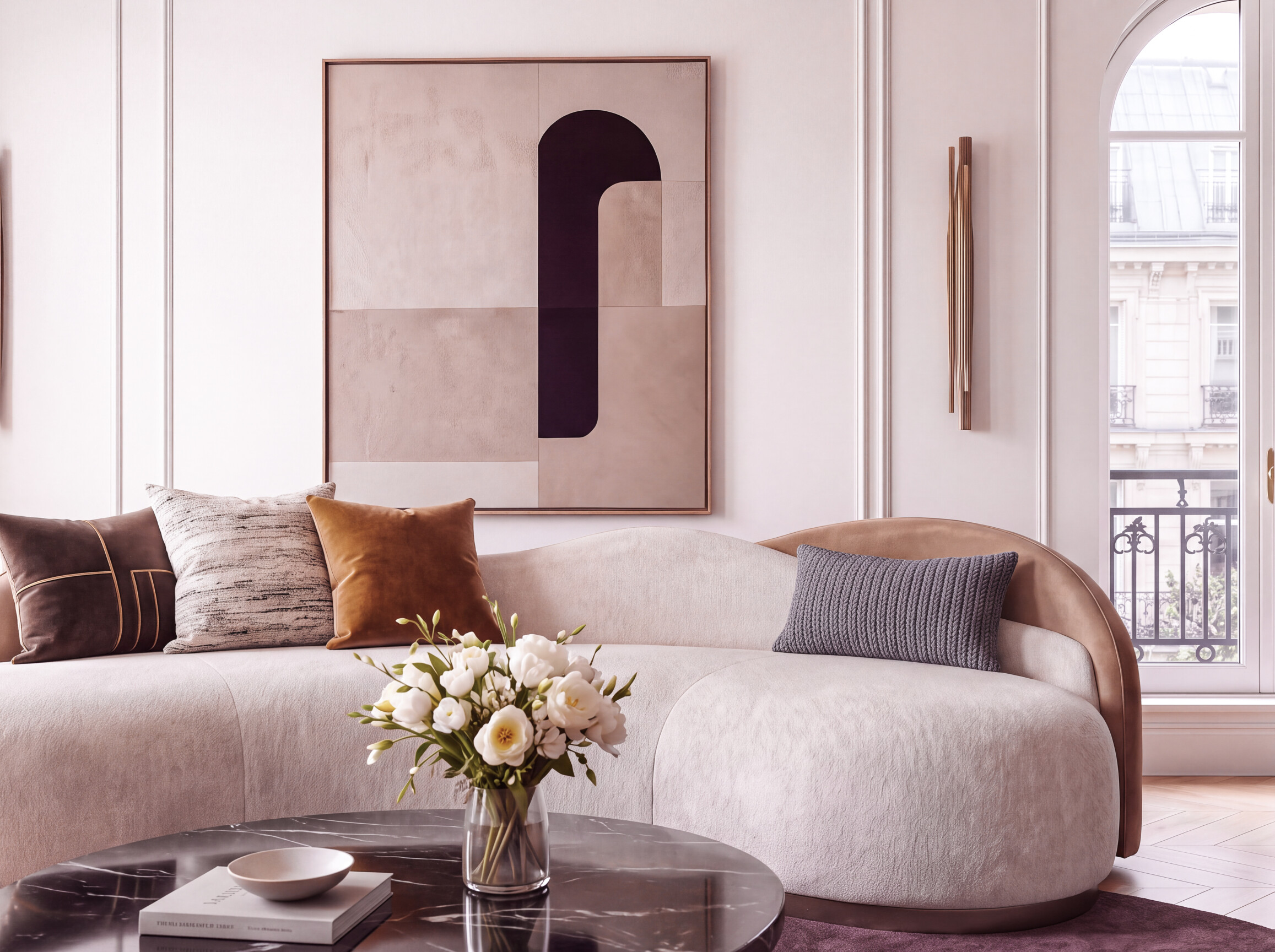
Investing heavily in pieces that have no dialogue with one another. We see this frequently in high-end residential projects: the client has carefully selected each piece individually, every item expensive and beautifully made, yet the result feels more like a showroom than a home. Technically impeccable. Emotionally lifeless.
Designer furniture doesn't solve this problem through quality alone. It does so through narrative coherence. When pieces share a common thread, a material palette, a sensitivity to scale, a cultural origin, the space develops a language of its own. Each piece strengthens the presence of the others.
An architect working on a private residence in Portugal's Alentejo region described it this way: "The client had extraordinary pieces, but the living room felt like an archive. When we introduced two designer pieces with a clear connection to the region, local materials and proportions that worked naturally with the architecture, everything else suddenly made sense."
Very little was changed. Only what truly mattered.
A home is more than a physical space. It is a quiet expression of who we are, or who we aspire to be.
That is why clients seeking truly unique pieces are not necessarily pursuing exclusivity as a form of status. They are looking for recognition. They want their homes to reflect something authentic: a personal story, a heritage, a particular way of seeing the world.
When thoughtfully selected, designer furniture does exactly that. A piece with a meaningful origin story, whether cultural, geographical, or emotional, becomes an object of memory. It is no longer simply the furniture in the room. It is the story that furniture tells, every day, to everyone who enters.
Over time, these pieces acquire layers of meaning that mass-produced furniture rarely achieves. They become the pieces children hope to inherit. The ones guests ask about. The ones that remain.
Before commissioning any piece for a luxury residential interior, there are three simple questions worth asking.
If the brand cannot clearly explain where the inspiration came from, who made it, which materials were selected, and why, the piece may be expensive, but that alone does not make it a true work of design.
Craftsmanship with identity has a name, a face, and a place of origin. Portugal's woodworking tradition, for example, carries centuries of accumulated knowledge and expertise, expressed through techniques and details that industrial production cannot easily replicate.
Not just aesthetically, but narratively. Ten years from now, will this piece still say something meaningful about the people who live here?
Trends fade. Stories endure.
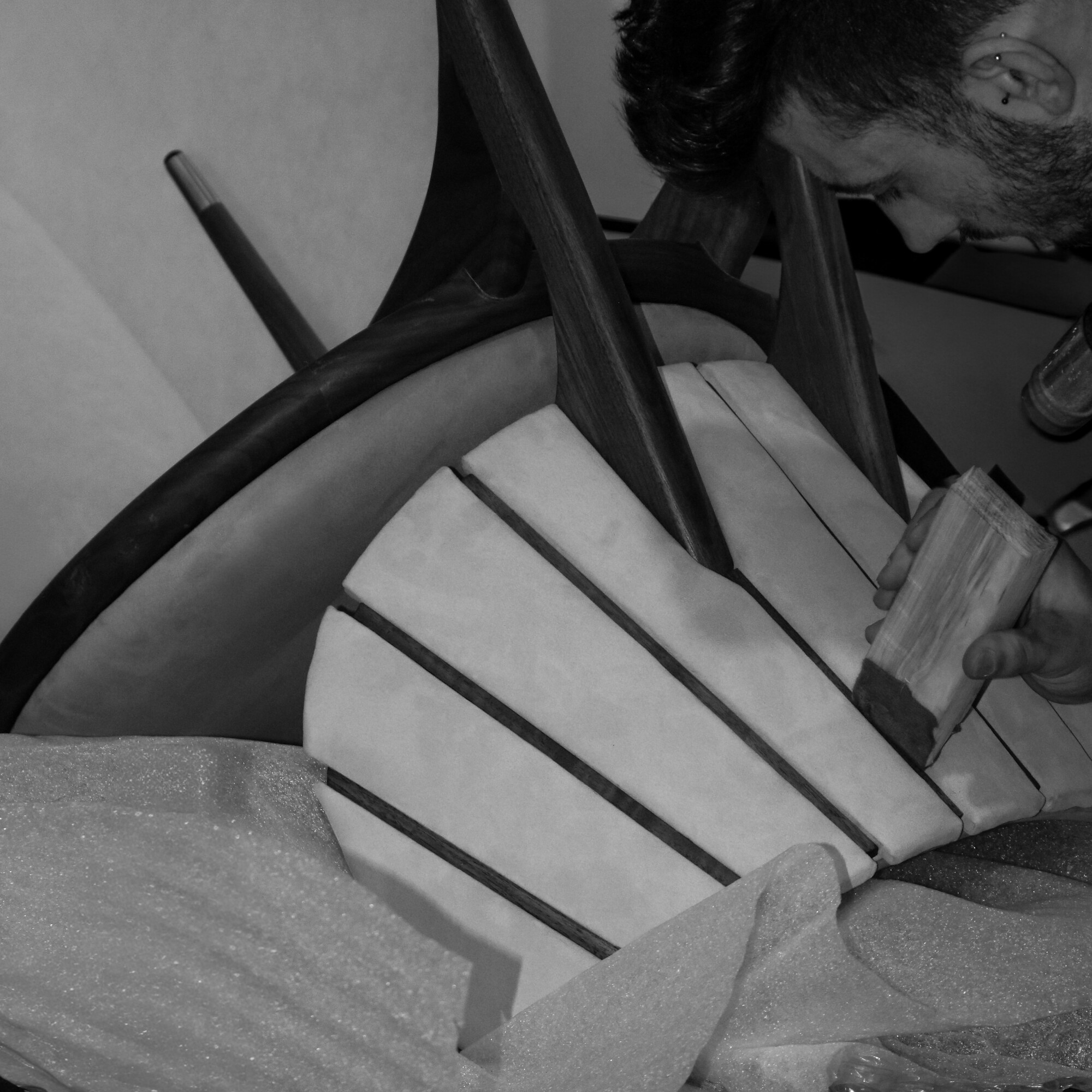
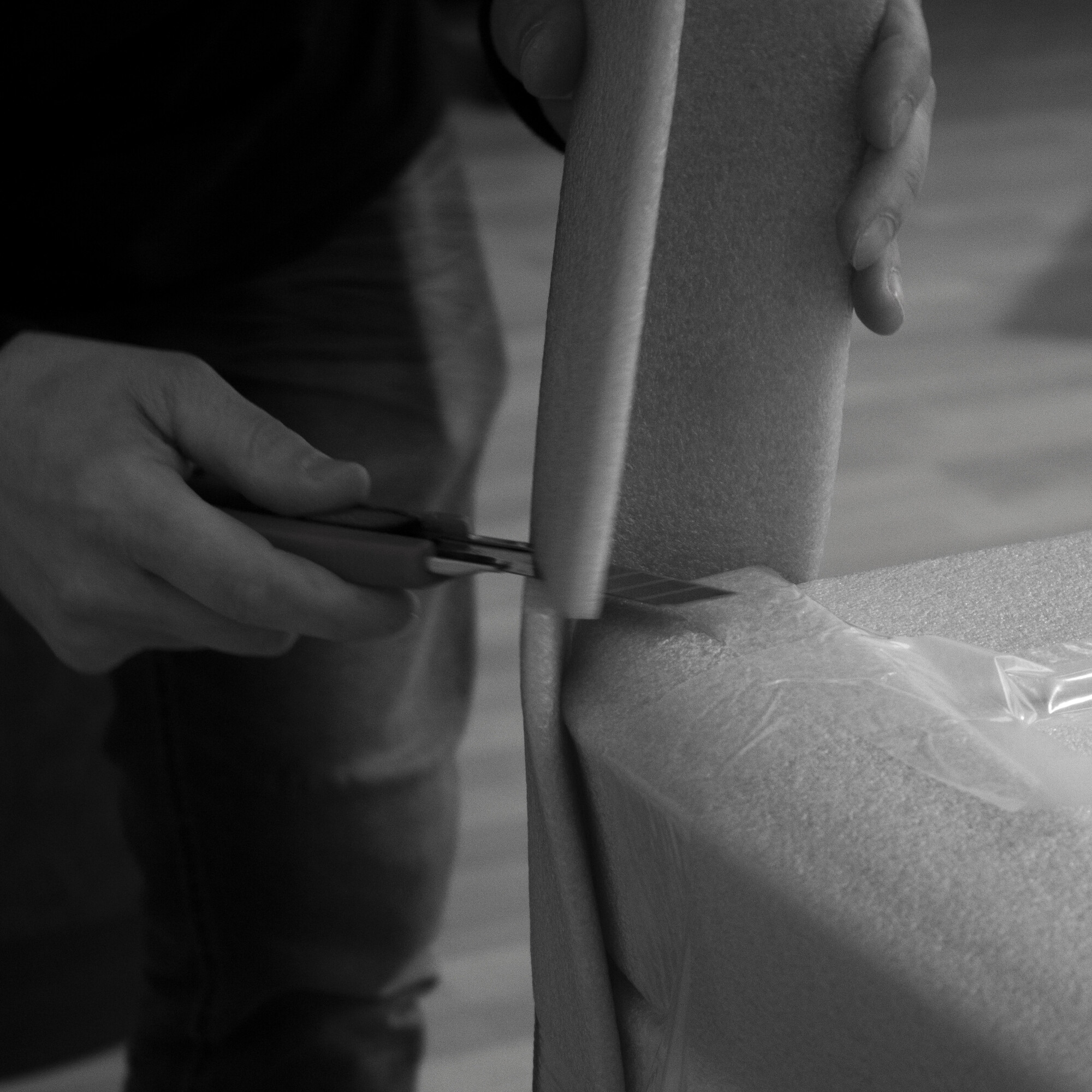
The character of a designer piece begins with its materials long before the final design takes shape. The choice of wood with a distinctive grain, a fabric whose texture evokes a particular feeling, or a finish developed by an artisan who has spent decades perfecting their craft: these are not merely decorative details. They are the very foundation of the piece's identity.
Exploring materials and finishes with the same care devoted to the design itself is often what separates a piece that impresses in a showroom from one that remains in a living room for decades, becoming more beautiful with time.
Marble that develops a patina. Leather that acquires character. Wood that deepens in colour. These are materials that evolve with time rather than resist it and that is one of the defining qualities of an object designed to last.
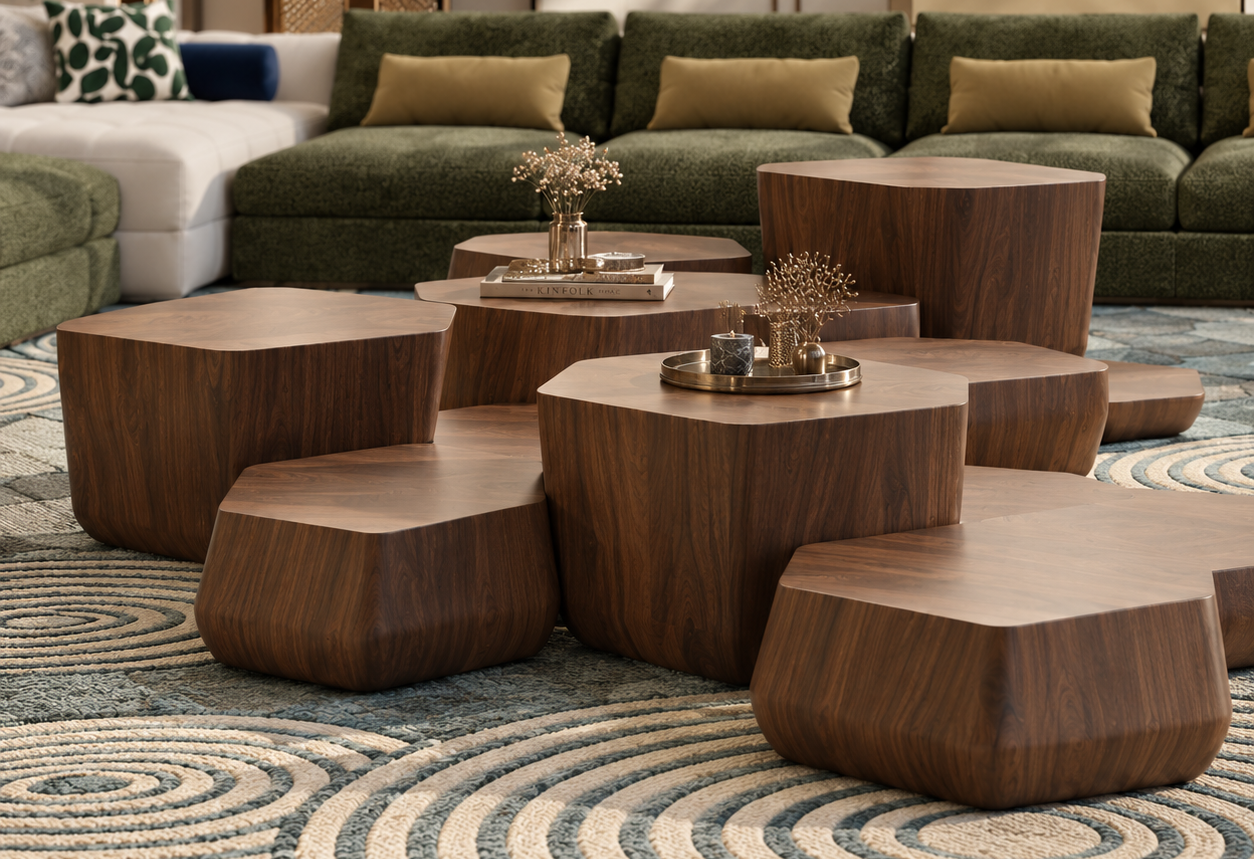
There are spaces where a carefully selected piece from a designer collection is exactly what is needed. Commissioning bespoke furniture when it serves no real purpose can be an unnecessary investment of both time and resources.
A collection piece designed with intention, handcrafted with care, and rooted in an authentic narrative can transform a room just as powerfully as a fully customised creation.
Bespoke furniture becomes particularly valuable when a space presents challenges that an existing collection cannot address, an unusual architectural layout, exceptional proportions, or a specific combination of materials that standard production does not accommodate. It also makes sense when a client wishes to translate a personal story into a piece that does not yet exist.
In these circumstances, the process of creating something made to measure becomes part of the experience itself. The finished piece carries the decisions the client helped make, the conversations with those who crafted it, and the meaning behind every choice, and that is something you can feel.
Ultimately, the question is not how much the furniture costs. It is whether the space has something to say. An authentic space needs no explanation, it speaks for itself. The pieces do not compete for attention. They coexist, connected by an underlying harmony that can be felt even when it cannot be put into words.
Designer furniture makes this possible. Not because it is more expensive, but because it has been created with purpose and that sense of purpose becomes part of the entire space.
Homes like these are unforgettable. They stay in the memories of those who visit them, and they become more cherished by the people who live in them with every passing year. They are spaces that age beautifully because they were built around something time cannot erase: intention.