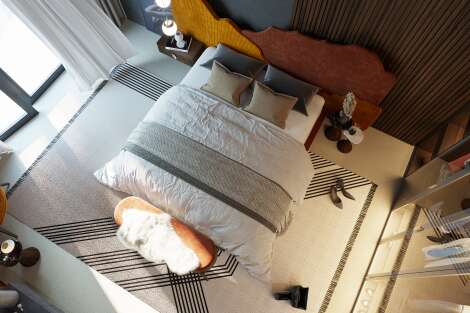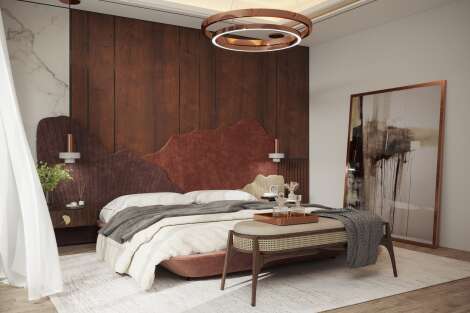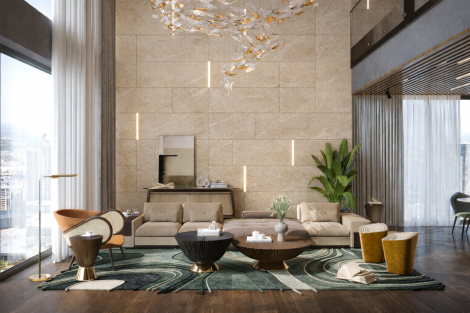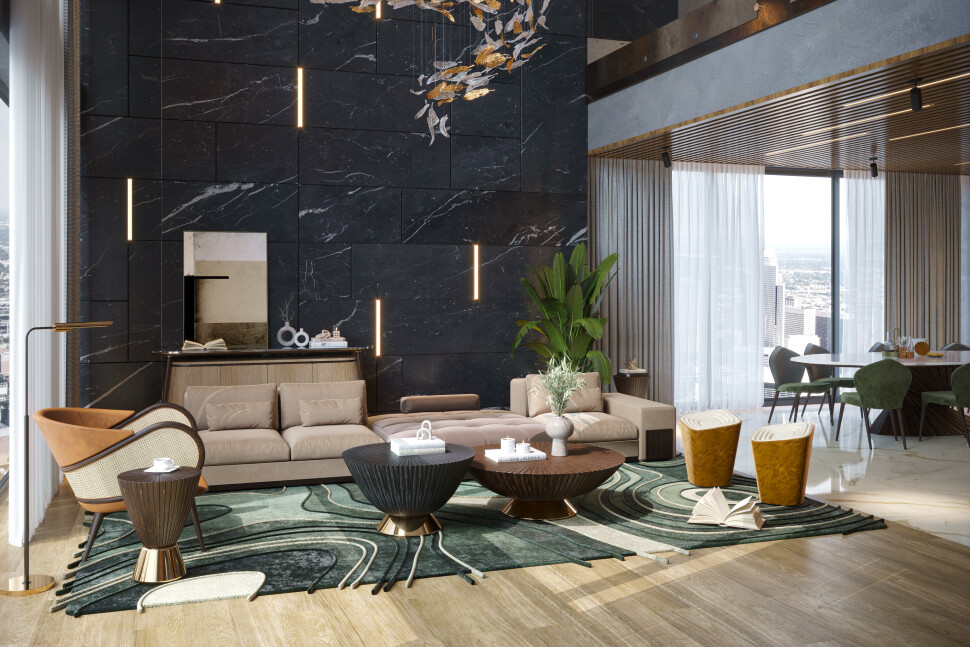
The trends in interior design in 2026 reflect a structural change in the sector. After a cycle marked by visual excess, the acceleration of styles, and an aesthetic orientated towards immediate impact, design enters a phase of greater maturity. The focus shifts from image to experience, from the ephemeral to the permanent, giving rise to contemporary interiors designed to be lived in, appropriated, and felt over time.
In this article, we present a clear and integrated overview of what will define interior design in 2026. We explore the main trends and new directions that are redefining the way spaces are conceived, from the increasing emotional relevance of design to the return of more classic reinterpreted languages. We analyse the evolution of materiality, colour, and texture, the impact of technology and well-being on the organisation of spaces, and the increasingly decisive role of authorial brands in the construction of design with identity.
More than just listing trends, this article proposes a synthesis of global signals that help anticipate future design and intersect aesthetics, behaviour, and values. This reading is intended for professionals and anyone interested in understanding how interior design is preparing to respond more consciously and sustainably to the demands of the upcoming year.
One of the most evident changes in interior design in 2026 is the shift of visual focus to emotional experience. Design is no longer conceived merely to be seen but to be lived. The house takes on the role of a space of refuge, comfort, and balance, reflecting broader transformations in the way we inhabit and value time.
The influence of neuroarchitecture and ergonomics in interior design becomes more visible, even when it is not explicitly named. Proportion, light, materials, and acoustics are worked on in an integrated manner to promote physical and emotional well-being. Creating functional and user-friendly spaces ceases to be a functional objective and becomes a quality criterion of the project.
This change also has implications for organising spaces. The absolute open space loses relevance, giving way to more defined and flexible spaces, capable of responding to different moments of the day and emotional needs. The symbolic return of the "hearth" emerges as a subtle sociological reading, reinforcing the search for spaces that welcome, slow down, and promote connection.
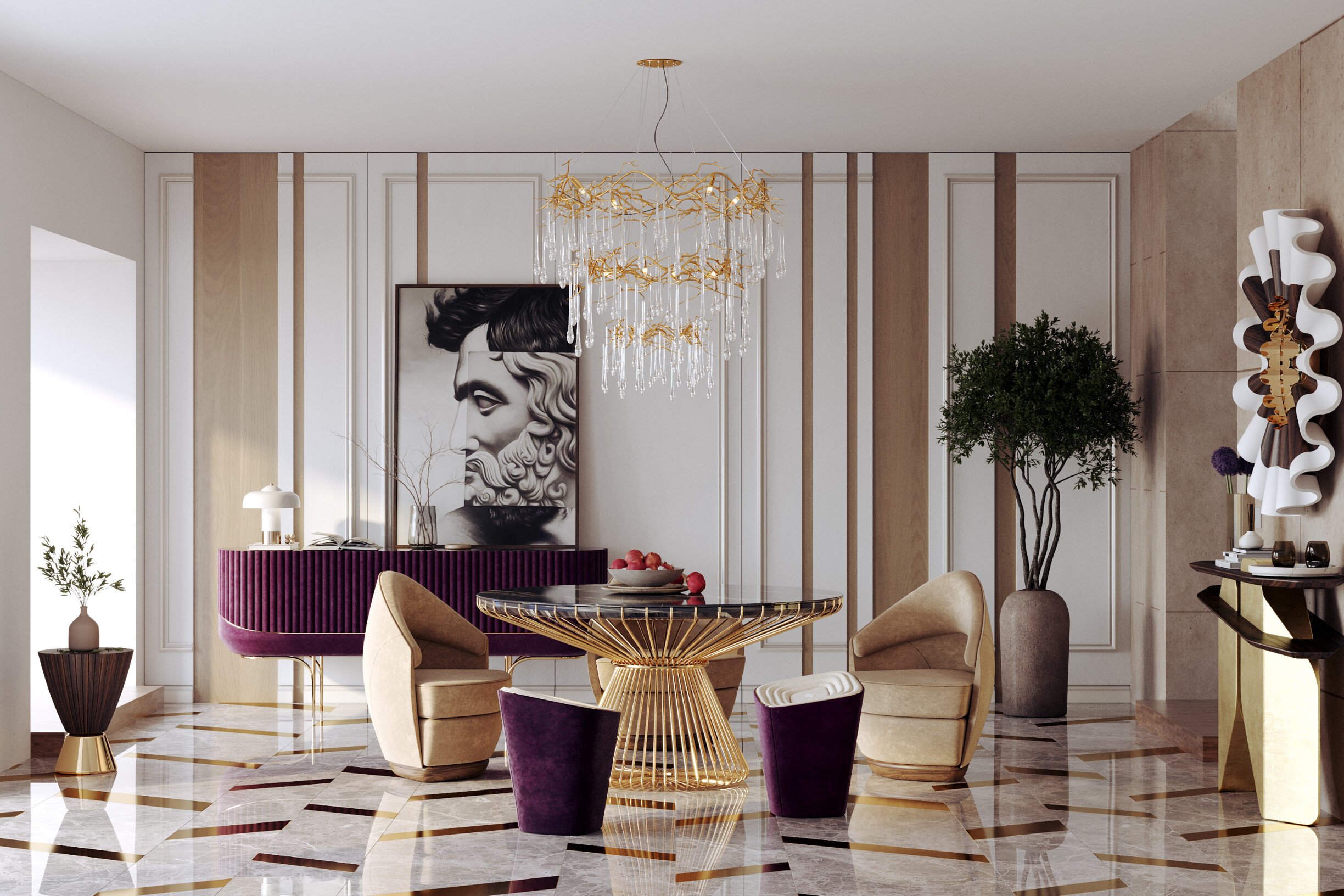
This return to the essentials does not happen out of nostalgia but out of cultural and aesthetic necessity. In 2026, interior design actively seeks solid references during a period of visual saturation, placing a high value on timeless languages and authentic materials.
The new heritage or modern heritage thus emerges as a conscious response to ephemerality, combining memory, constructive quality, and a new silent sophistication. In this approach, form, material, and proportion cease to be isolated decisions and begin to construct a coherent narrative, where each choice reinforces identity, permanence, and intention.
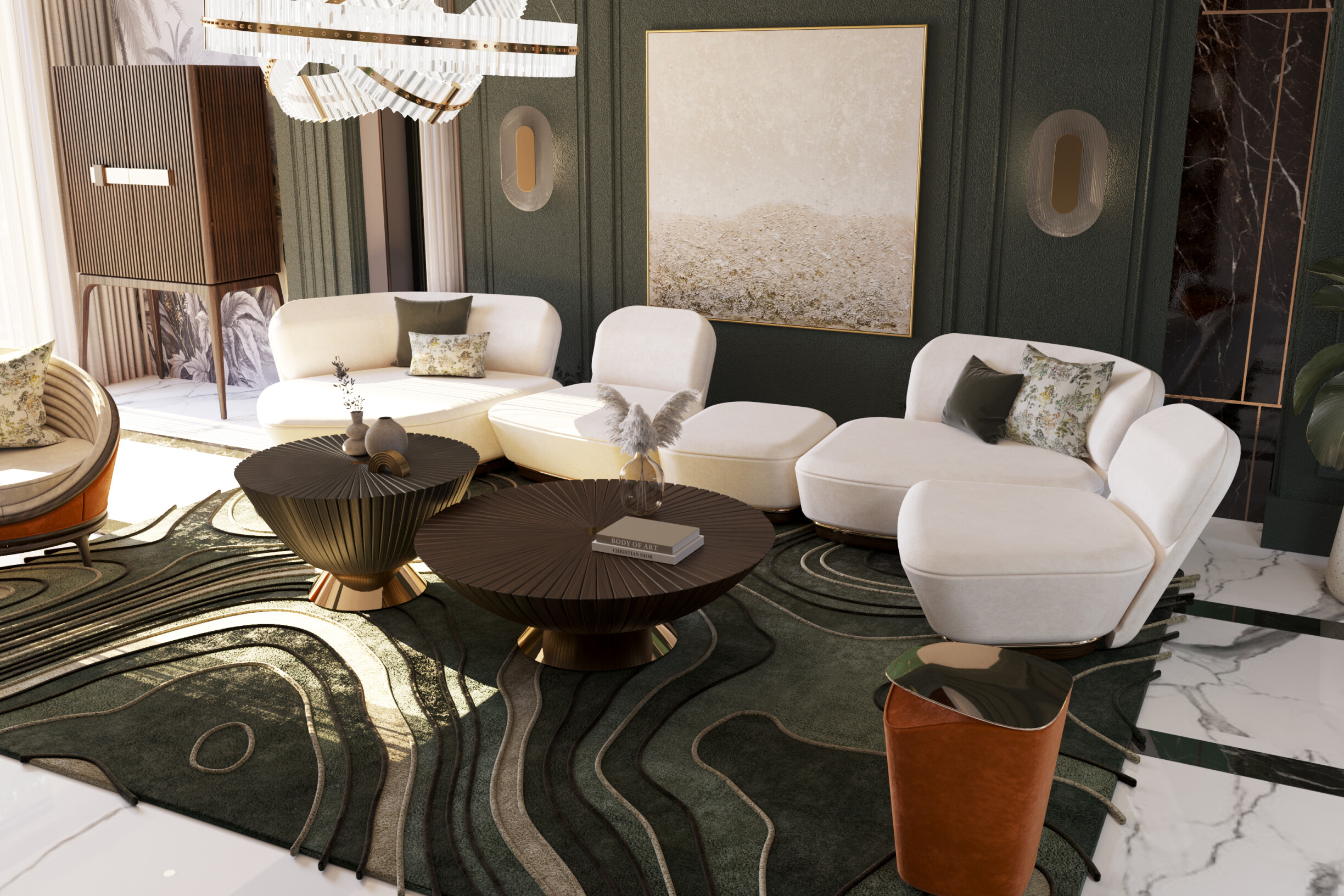
Among the most consistent new directions for 2026, the ability to combine tradition and modernity stands out, reinterpreting classic references in light of contemporary sensibilities. The materiality gains depth, with darker woods, surfaces with character, and noble materials like marble, which reinforce the idea of permanence and value.
Formally, there is a departure from organic excess. The balance between symmetry and asymmetry in interior design creates visual dynamism without noise, while principles such as the golden ratio regain relevance as a tool for harmony. Sculptural design remains present, but integrated into architecture and furniture, never as an isolated gesture.
Elements such as design cabinets, designer armchairs, and signature furniture cease to be decorative pieces and begin to structure spaces, contributing to coherent, functional interiors with their own identity.
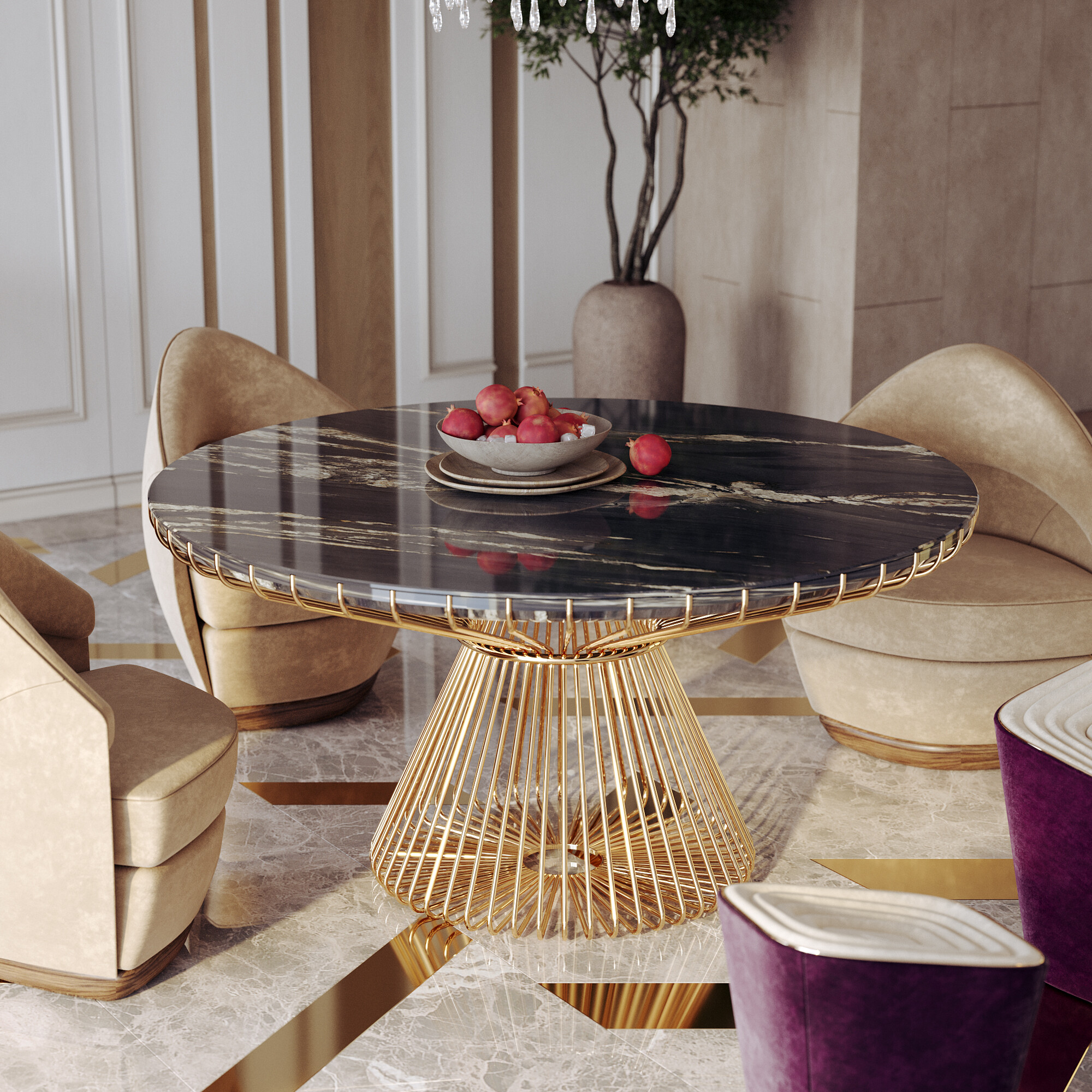
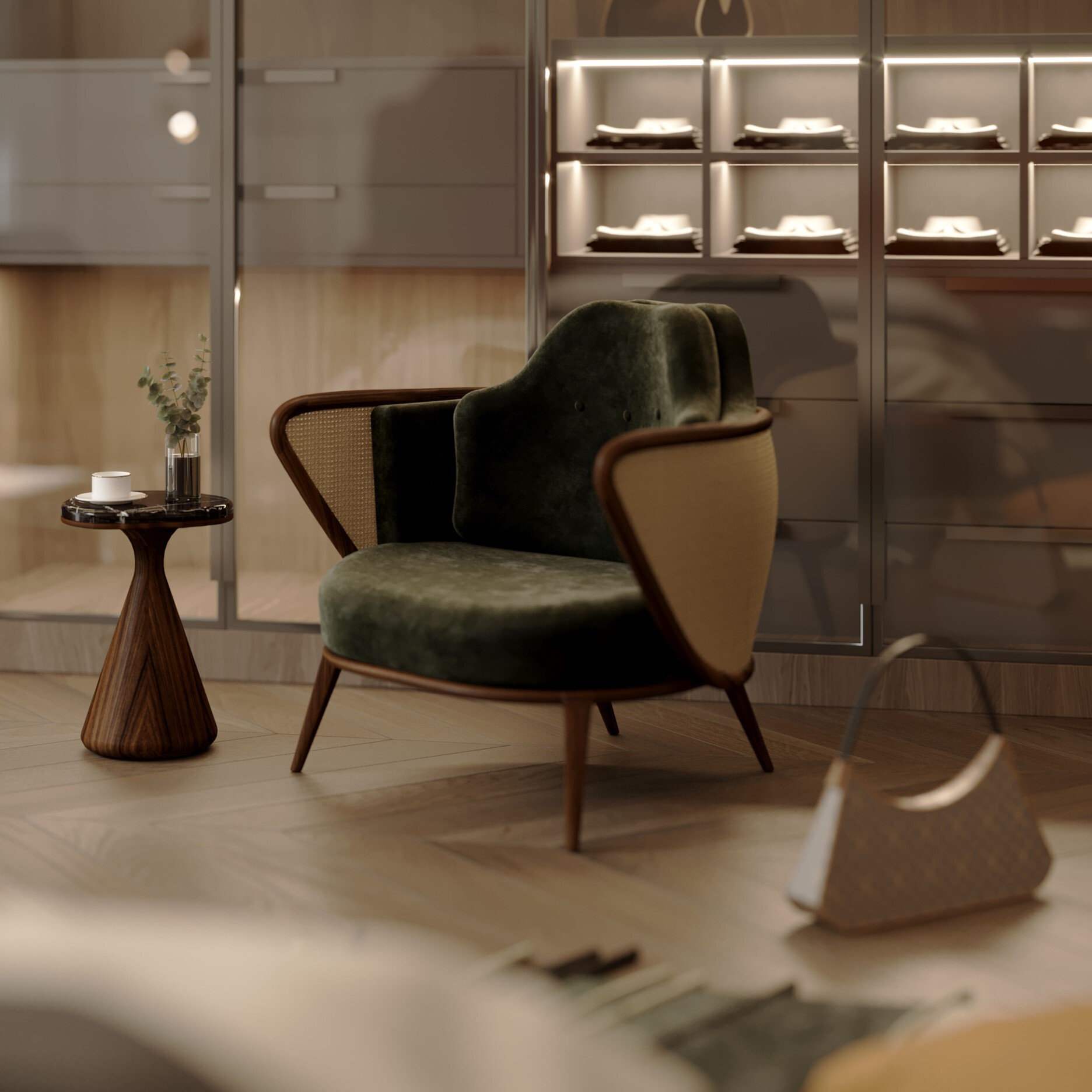
The evolution of contemporary interiors in 2026 is primarily driven by chromatic sensitivity and materiality. Colour and texture cease to be isolated decorative elements and begin to work together to create more welcoming, sophisticated, and emotionally balanced areas.
In 2026, colour establishes itself as one of the main tools for the emotional construction of space. The trending colours in interior design in 2026 move away from flat and predictable neutrals and evolve into elegant colour palettes conceived with depth, contrast, and intention. Colour ceases to be decorative and begins to structure the atmosphere of interiors.
Blue consolidates itself as a reference tone, appearing both in soft and desaturated versions as well as in deeper and more classic variations. It is a colour used to create visual and emotional stability, serving as a serene foundation for spaces of permanence. In line with this interpretation, the Pantone Colour of the Year 2026 reinforces the search for shades with emotional weight, connected to nature, comfort, and introspection.
Earthy tones accompany this approach. Bordeaux, olive green, deep browns, and camel are used to anchor the spaces and create more immersive spaces, reinforcing the sense of refuge and continuity. These colours often emerge in association with the influence of nature, contributing to more balanced and sensory interiors.
The chromatic application also becomes more intentional. Subtle techniques, such as variations between walls and ceilings, allow for the creation of depth and the alteration of spatial perception without resorting to excess. In 2026, chromatic sophistication lies in proportion, coherence, and the way colour interacts with light, materials, and texture.
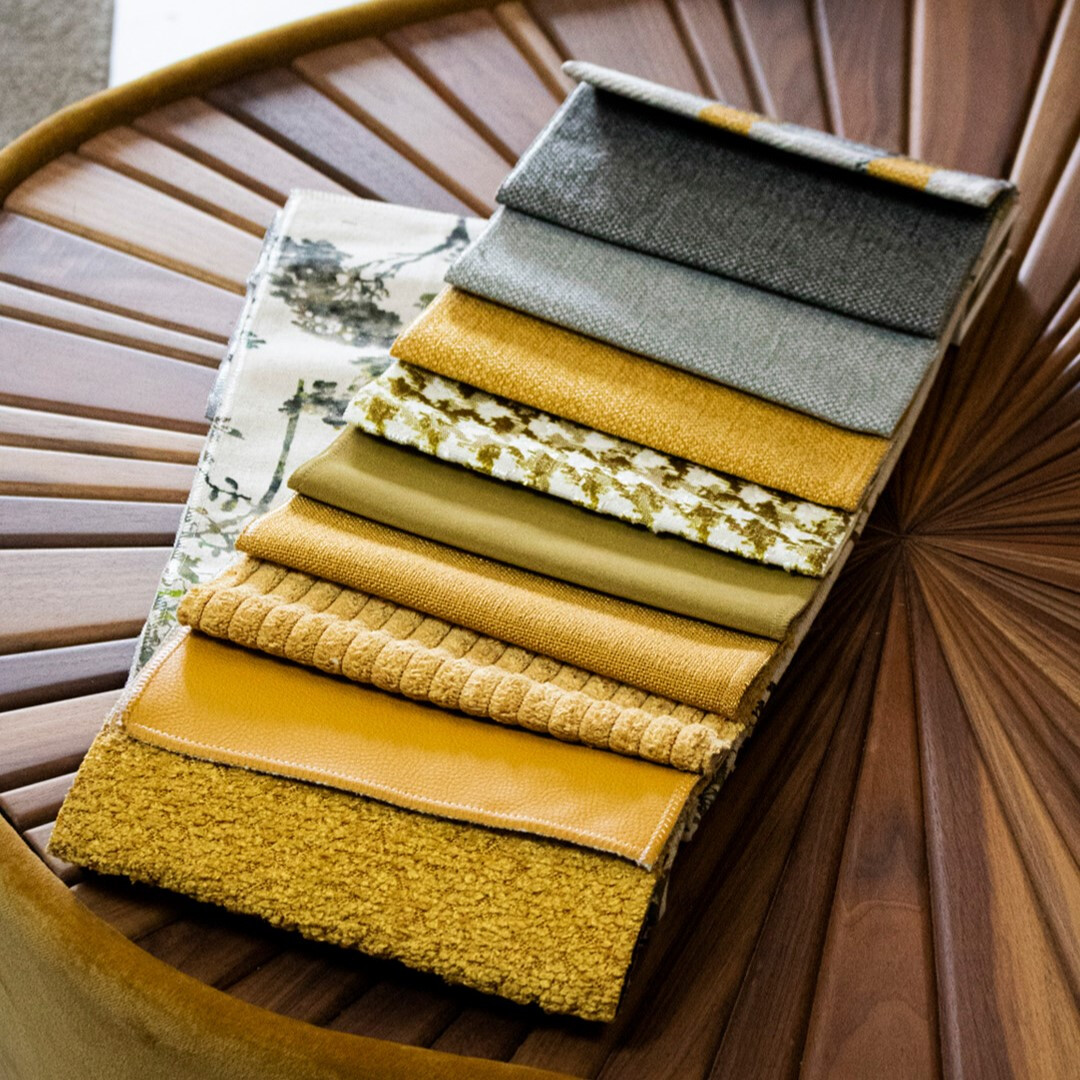
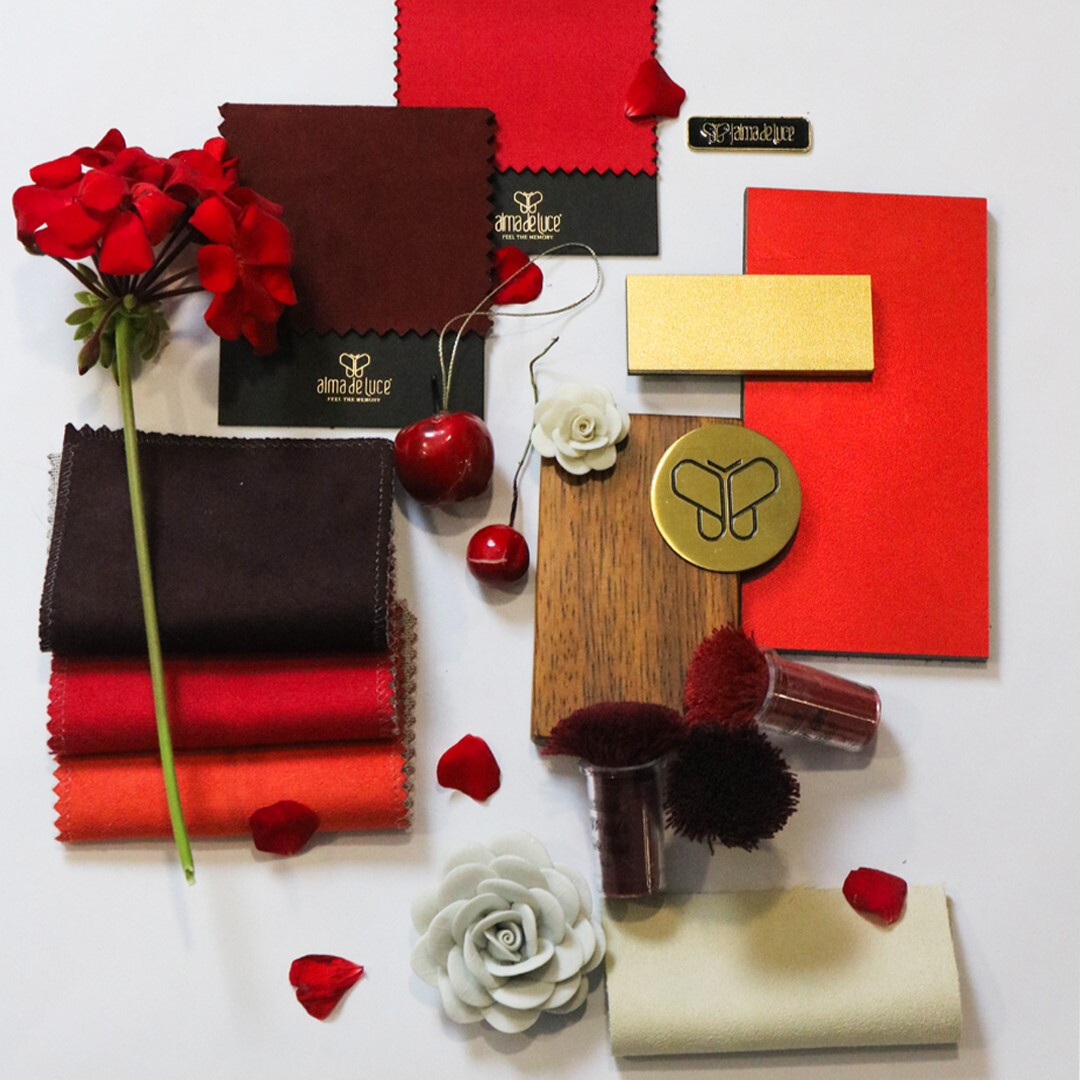
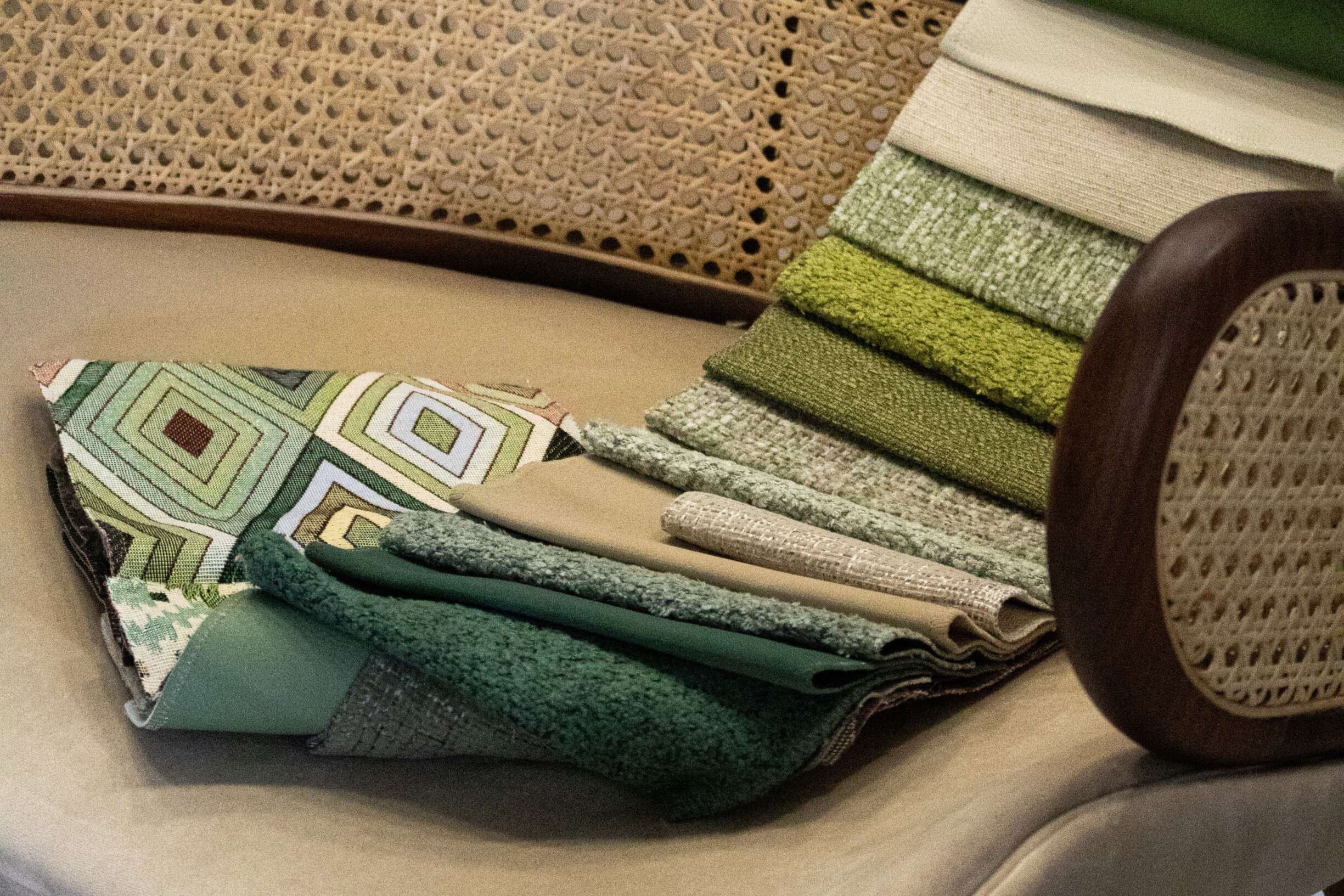
Visual richness is built primarily through material. Texture takes centre stage over pattern, with special attention to fabrics in interior design and luxury textiles. The use of layering allows for the creation of sophisticated and balanced spaces, where each layer adds depth without excess.
Classic tools like the 60-30-10 rule in interior design remain present, but are reinterpreted with greater freedom. More expressive interpretations, such as maximalism in decor, emerge in a controlled manner, always supported by curation and intention. This movement accompanies a clear change in consumer behaviour, who start to invest less and better.
Interior design in 2026 reflects a profound change in the way spaces are conceived, planned, and experienced. The spatial organisation responds to new routines, a greater awareness of well-being, and a more sophisticated relationship with technology. The space ceases to be static and becomes adaptable, sensitive, and user-centred.
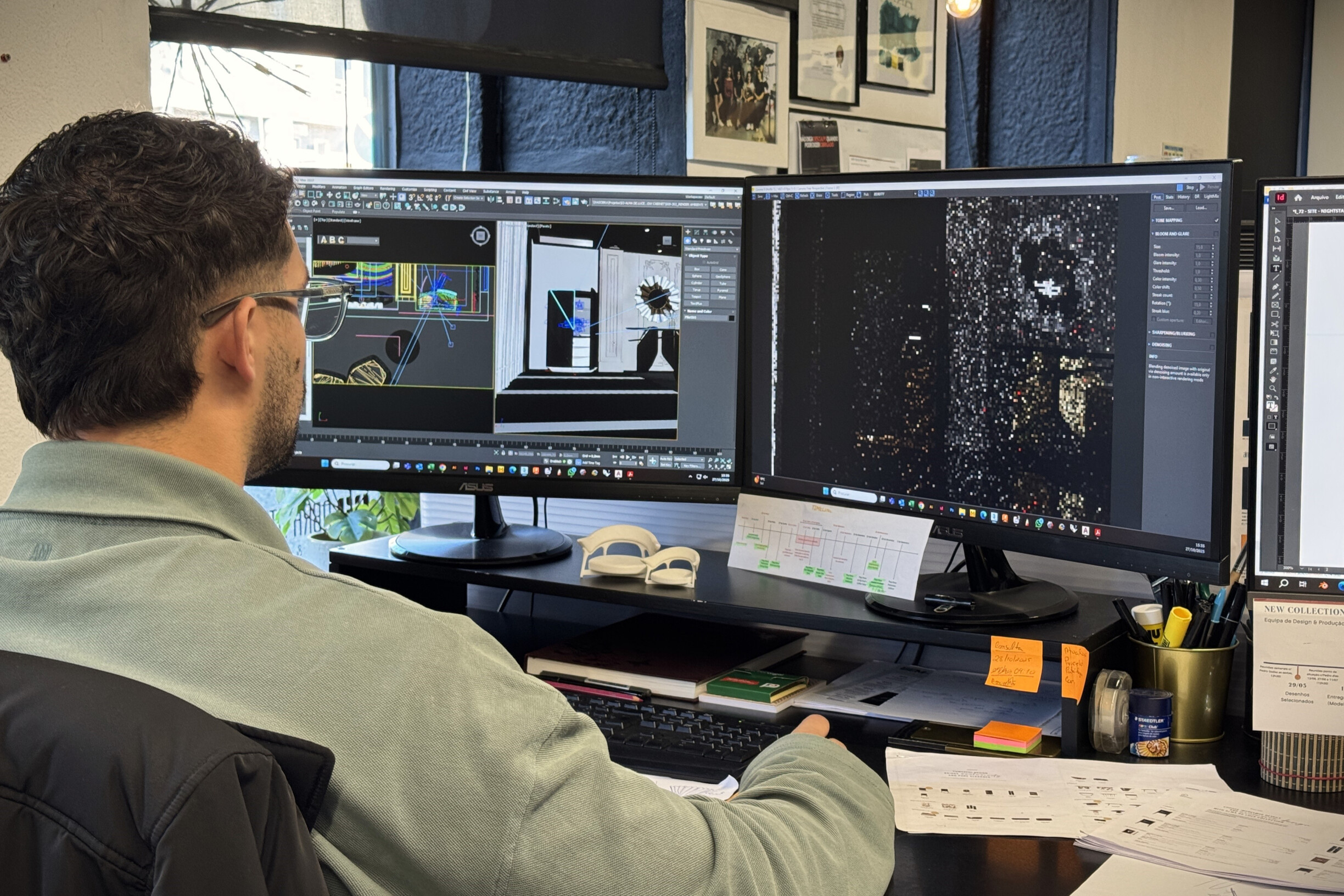
Technology in interior design is taking on an increasingly strategic role, with a focus on the integration of artificial intelligence in the designer's creative process. Instead of replacing human vision, AI emerges as a tool to support conceptualisation, analysis, and decision-making. Through spatial simulations, reading behavioural data, and analysing usage patterns, artificial intelligence allows a designer to test scenarios, anticipate needs, and refine proposals with greater precision.
In the creative process, AI becomes particularly relevant in the study and development phase. The creation of more efficient layouts, the optimisation of circulation, the analysis of natural light throughout the day, or the prediction of the sensory impact of materials are examples of how technology supports more informed decisions. This intersection between creative intuition and technology reinforces the ability to create functional and user-friendly spaces, aligned with the physical and emotional well-being of the users.
In parallel, technology is evolving into an increasingly discreet presence in the built environment. Intelligent systems for lighting, climate control, and acoustic comfort integrate invisibly, enhancing more balanced and responsive spaces. This approach reinforces the connection between technology, sensory design, and comfort, without compromising the aesthetic identity of contemporary interiors.
In 2026, the relationship between space, technology, and well-being also reflects a greater social responsibility. The growth of inclusive interior design translates into projects that are more attentive to the diversity of bodies, ages, and needs, where ergonomics, accessibility, and flexibility are fundamental criteria. Technology, combined with artificial intelligence, thus becomes a facilitator of more human, conscious, and lasting experiences.
In a scenario of greater aesthetic and cultural maturity, the role of authorial brands gains strategic relevance. More than just following trends, they position themselves as interpreters of the present and the future, creating their own languages and offering continuity in a sector marked by constant change.
For any sucessuful interior designer, the ability to select sources of inspiration, build a coherent mood board, and develop a consistent narrative becomes crucial. The power of storytelling differentiates projects and brands, creating an emotional connection between space, object, and user. Details such as the restrained use metallics or the subtle presence of the influence of nature reinforce this narrative, contributing to a conscious and enduring luxurious aesthetic.
In a context where interior trends in 2026 are defined by maturity, intention, and cultural awareness, we position ourselves as more than just attentive observers of the sector. At ALMA de LUCE, we take an active role in interpreting global signals, transforming references, values, and contemporary needs into proposals with their own identity and timeless vocation.
Anticipating new directions requires a deep understanding of the present. It is from this reading that we build our work, in a constant balance between heritage and innovation. We believe that design should not respond to fast trends, but rather create language, prioritising pieces and spaces that withstand visual wear and maintain relevance over time.
We already operate within the principles that shape future design: a conscious sensory approach, the appreciation of materiality, attention to emotional comfort, and the subtle integration of technology into the creative process. Each decision reflects our vision of contemporary design as a cultural agent, capable of influencing how spaces are lived and felt.
By taking on the role of guardians of values and creators of new languages, we actively contribute to the evolution of interior design. It is in this territory, between culture, permanence, and vision, that we continue to build the future of ALMA de LUCE and assert our relevance in a constantly evolving sector.
The trends in interior design in 2026 confirm a clear evolution: less visual noise, more intention; less ephemerality, more permanence. Conscious choices and a closer relationship with materials, emotion, and time shape the future of design.
At ALMA de LUCE, we believe that anticipating the future involves operating in the present. We continue to create, interpret, and construct new directions in interior design, driven by this conviction. We invite you to continue following ALMA de LUCE, where we share readings, projects, and visions that help understand and shape the contemporary design that is yet to come.