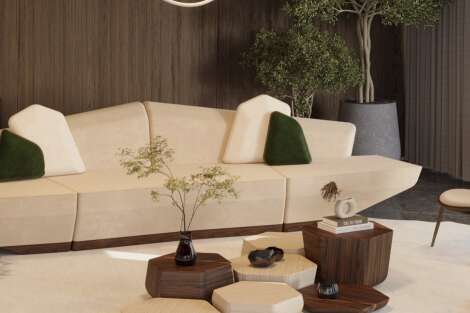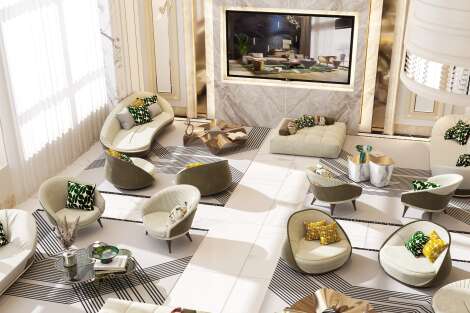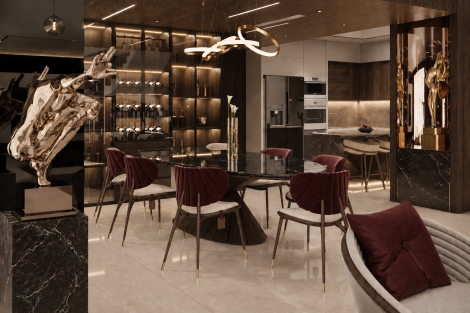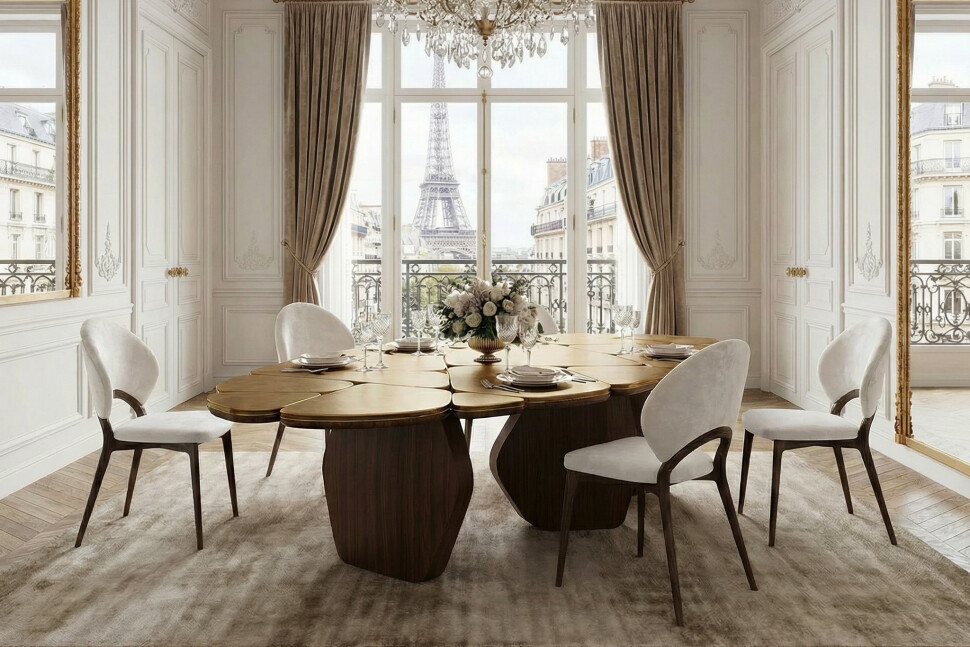
Luxury interior design is evolving towards a more personal and meaningful approach. As architects and interior designers move away from standardised solutions, bespoke furniture is becoming an essential element in creating spaces with identity, authenticity, and lasting value.
Combining craftsmanship, cultural inspiration, and technical expertise, custom-made pieces are redefining how contemporary interiors are conceived, transforming furniture into an integral part of the project's narrative rather than simply filling a space.
For many years, exclusivity was associated with prestigious brands, rare materials, and highly decorative spaces. Today, however, the definition of luxury has evolved. Architects and interior designers are increasingly seeking interiors that feel personal, distinctive, and impossible to replicate.
This shift has fuelled the growing demand for bespoke furniture, not simply as a way of customising dimensions or finishes, but as an opportunity to create interiors with identity.
Whether designing a private residence in London, a boutique hotel in Dubai, or a luxury villa in Miami, professionals are looking for pieces that respond to the architecture, the client, and the story behind the project.
This evolution reflects a broader vision of contemporary luxury, where individuality and meaningful design have become defining values, a perspective explored in the Luxury Unveiled Design Book, which examines how thoughtful design can shape truly distinctive interiors.
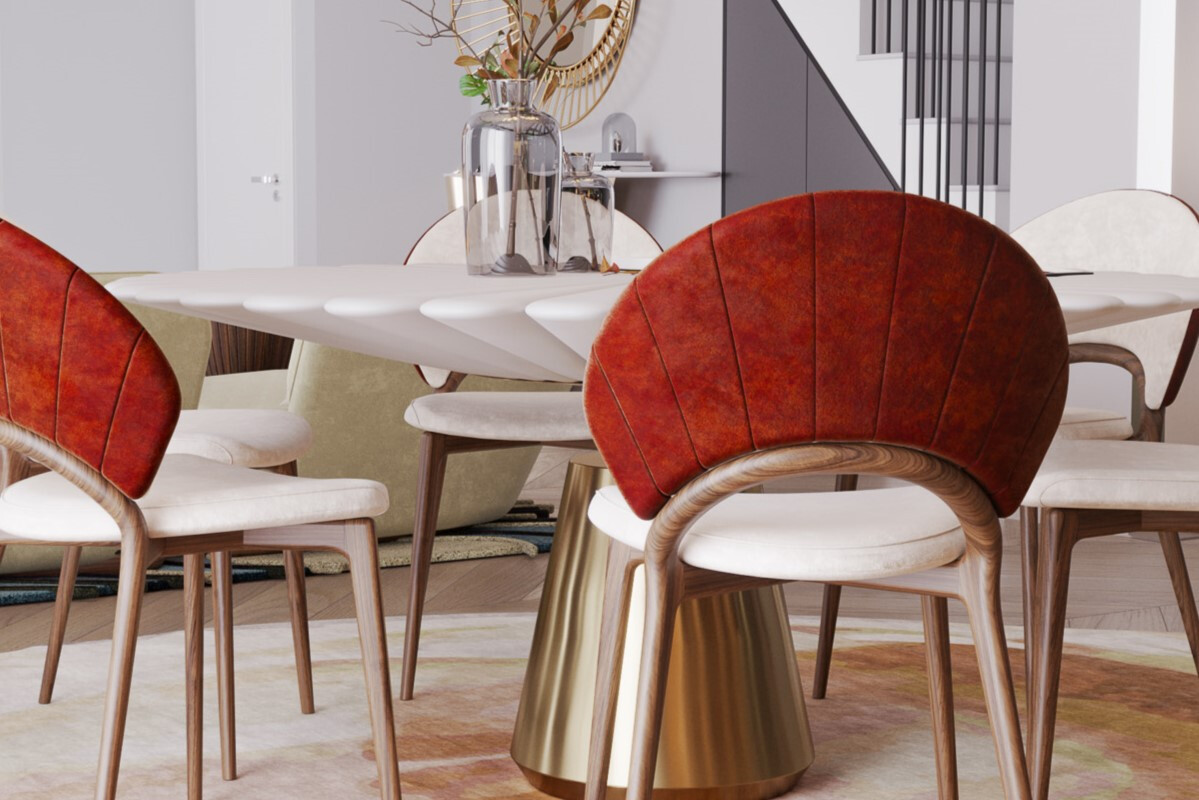
One of the biggest changes in luxury interior design is the move away from standardised collections.
Clients no longer want interiors that resemble every other luxury residence or hospitality project around the world. Instead, they are looking for spaces that express individuality and create memorable experiences. This is particularly evident in the hospitality sector, where boutique hotels, luxury resorts and branded residences increasingly use bespoke furniture to establish their own identity.
Rather than selecting furniture directly from a catalogue, designers are commissioning pieces that respond to specific layouts, materials, colour palettes and architectural concepts.
As a result, custom furniture for luxury interiors has become an essential design tool rather than simply a manufacturing option.
When many people hear the word bespoke, they immediately think about changing measurements or selecting a different fabric. In reality, contemporary bespoke design is far more comprehensive.
Today, furniture can be adapted in multiple ways to support the vision of each project, including:
This flexibility allows architects to maintain a coherent design language throughout the project while ensuring every piece responds to both aesthetic and functional requirements.
The result is furniture that feels naturally integrated into the space rather than simply placed within it.
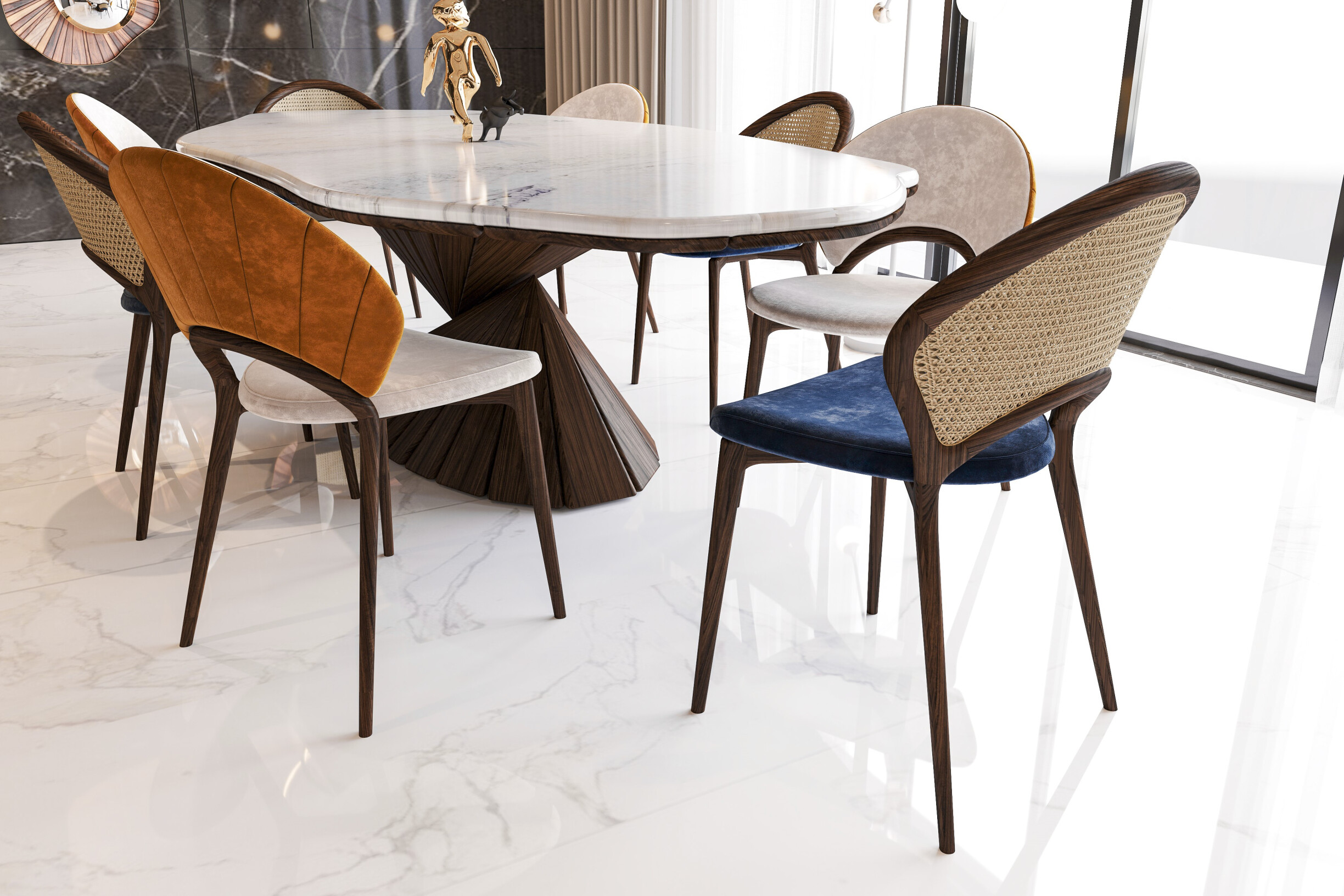
One of the most significant developments in contemporary luxury furniture is the growing importance of storytelling.
Furniture is no longer appreciated solely for its craftsmanship or visual appeal. Increasingly, designers and clients value pieces that carry cultural references, historical inspiration or connections to nature.
This approach creates interiors with greater emotional depth. A dining table inspired by an archaeological monument, an armchair influenced by an ancient tradition, or a cabinet reflecting architectural heritage contributes far more than functionality.t becomes part of the narrative of the space.
As heritage-inspired design continues to gain relevance, furniture becomes a medium through which culture, memory, and craftsmanship coexist within contemporary interiors. For designers looking to understand how storytelling can shape meaningful spaces, our Storytelling Interior Inspiration Book explores how cultural narratives can be transformed into distinctive interior concepts.
As demand for bespoke furniture continues to grow, Portugal has established itself as one of Europe's leading destinations for luxury furniture manufacturing.
The country's reputation is built on generations of artisanal knowledge combined with modern production capabilities. Skilled woodworkers, upholsterers, metal artisans and stone specialists continue to preserve traditional techniques while embracing contemporary technologies.
This balance between craftsmanship and innovation allows Portuguese manufacturers to collaborate with architects and interior designers on projects across Europe, the Middle East, North America and Asia.
For professionals seeking bespoke solutions, Portugal offers flexibility and technical support required for complex international projects.
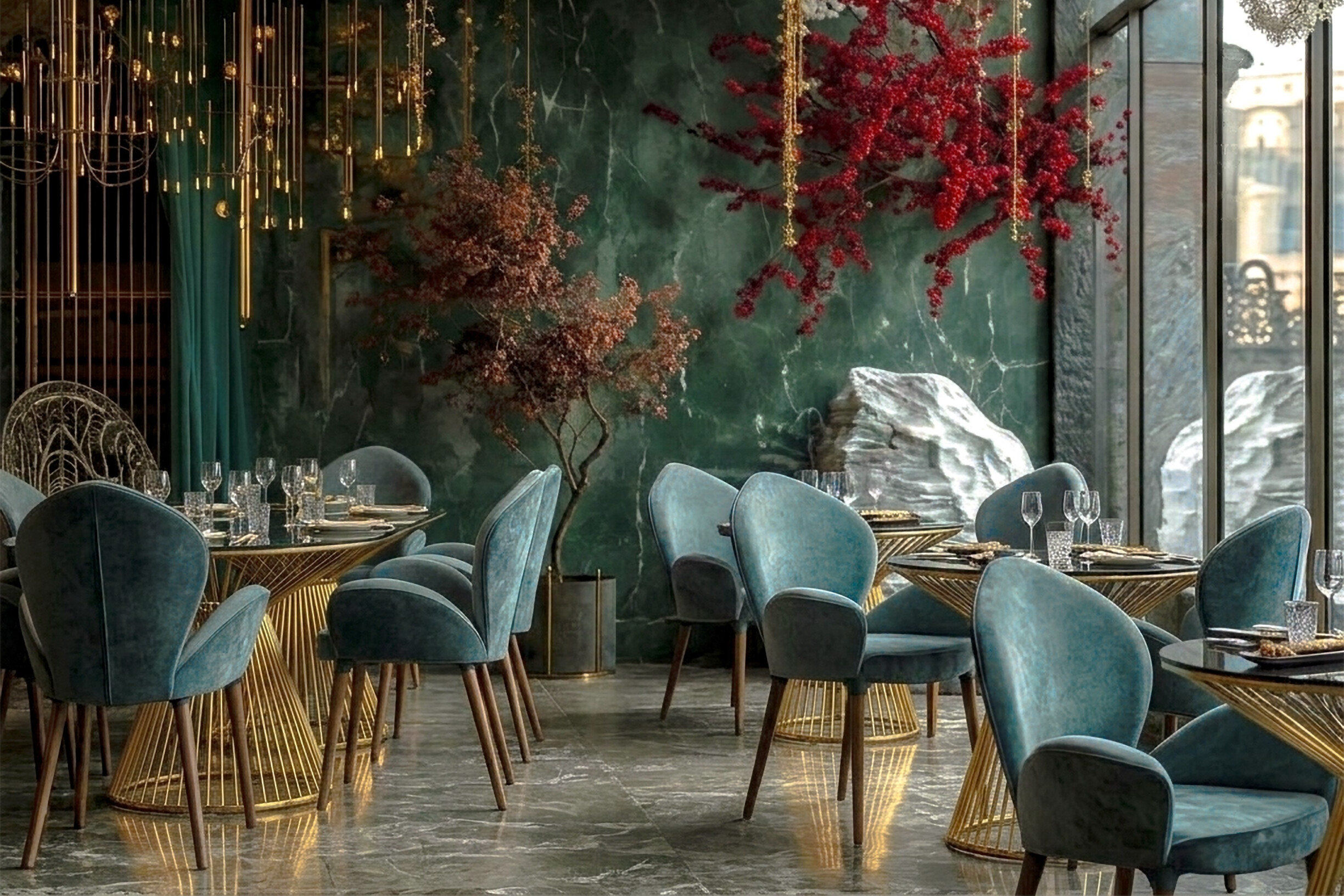
As bespoke furniture continues to shape the future of luxury interior design, the value of cultural identity, craftsmanship, and collaboration has never been greater. Today, architects and interior designers seek more than beautifully crafted furniture - They look for pieces that contribute to the narrative of a project and create interiors with a distinctive sense of place.
This philosophy is reflected in every Alma de Luce Collection. Inspired by cultural heritage, architecture, traditions, and natural landscapes from around the world, each piece is handcrafted in Portugal using noble materials and traditional techniques reinterpreted through a contemporary design language.
Beyond its collections, Alma de Luce collaborates closely with design professionals, providing technical drawings, material samples, finish customisation, and bespoke solutions tailored to each project. This collaborative approach ensures that every piece integrates seamlessly into the architectural vision while meeting the project's technical and aesthetic requirements.
By combining portuguese craftsmanship, cultural inspiration, and technical expertise, Alma de Luce creates furniture that goes beyond aesthetics, helping designers shape interiors defined by authenticity, individuality, and lasting value.
If you would like to explore how technical support can simplify the specification process for luxury projects, discover our article Bespoke Portuguese Furniture with Technical Support, where we explain how collaboration, customisation, and technical guidance contribute to the successful delivery of bespoke interiors.