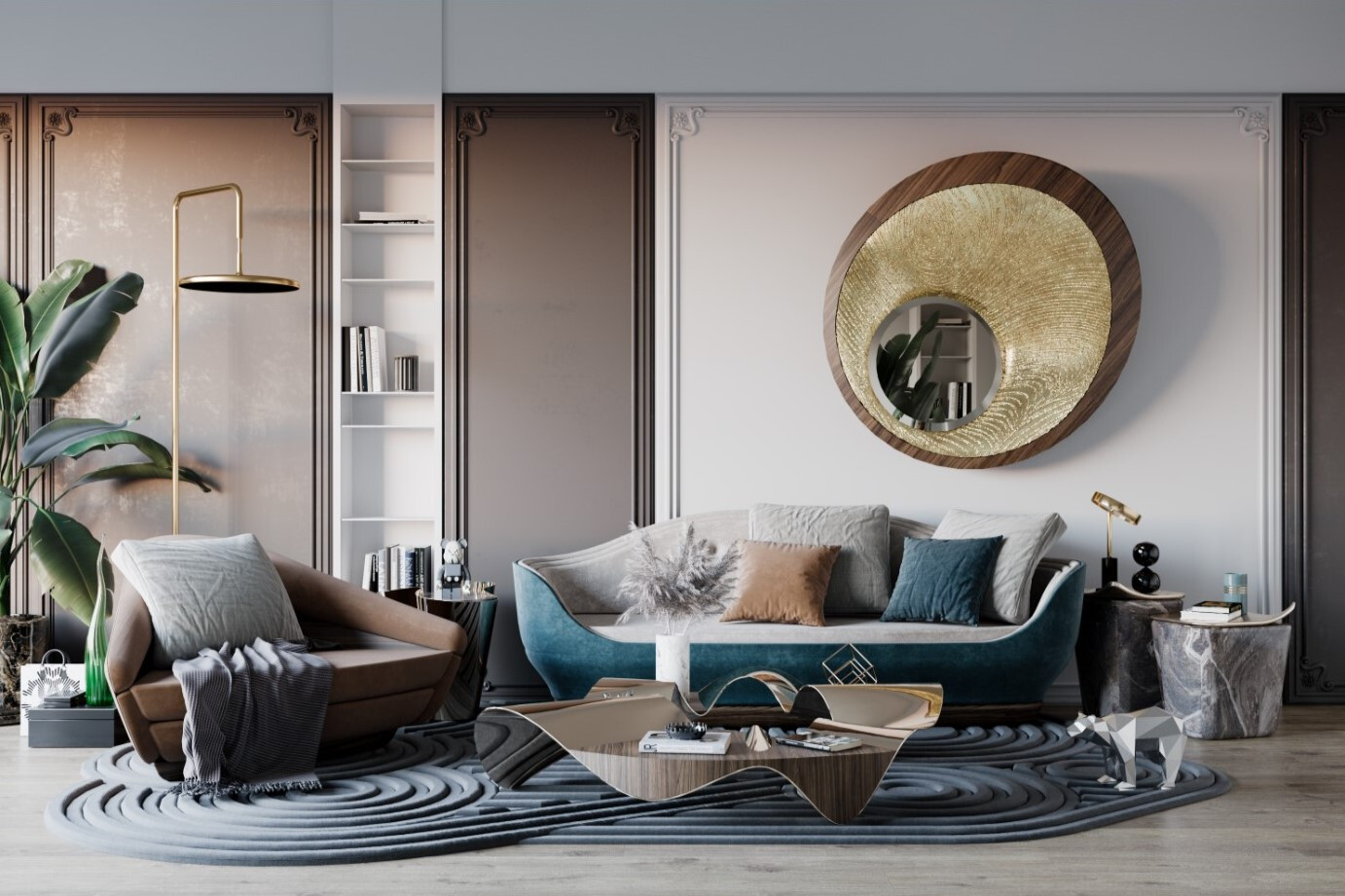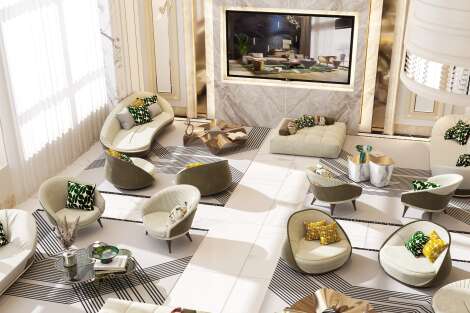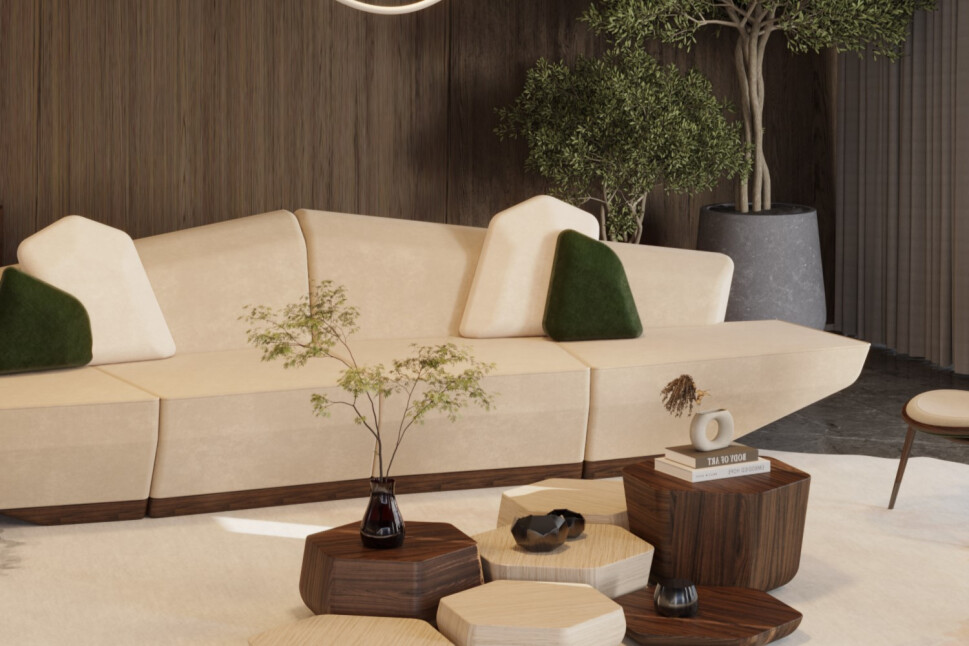
A residential space becomes truly unique when every piece has been chosen with intention, not simply to fill a room, but to express the identity of those who live there. Designer furniture is one of the most powerful elements in distinguishing a home with genuine character from one that is simply beautifully decorated. And that distinction matters.
A beautifully decorated home can be cohesive, comfortable, and visually balanced. A home with identity tells a story that belongs exclusively to that space and the people who inhabit it. It is this transition, from aesthetically pleasing to truly memorable, that mass-produced furniture rarely achieves.
The reason is simple: a piece designed for thousands of buyers cannot carry anyone's personal memories. It can be beautiful. It can be functional. But by definition, it remains neutral.
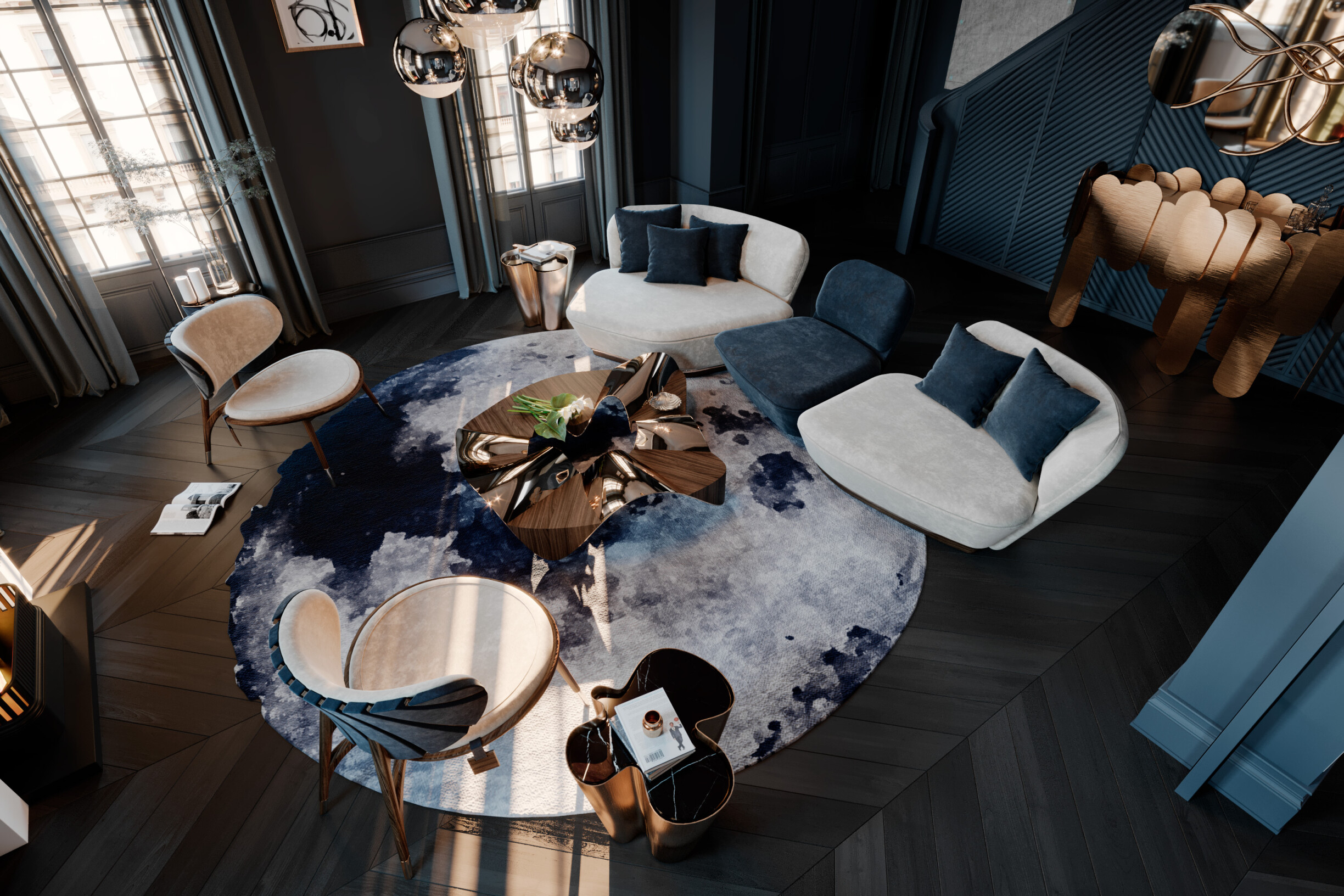
Many homeowners reach the end of a renovation with interiors that feel visually harmonious yet somehow lack meaning. They have chosen a consistent colour palette, invested in quality materials, and followed the right design references, and still feel that something is missing.
What is missing is rarely more decoration. It is a narrative anchor: a piece that gives purpose to the choices surrounding it, naturally draws attention, and has a reason to exist beyond its function.
That anchor rarely comes from a mass-market catalogue. It emerges when someone asks the architect or homeowner: what story should this space tell? And when the answer guides the selection of every piece.
A piece of designer furniture, thoughtfully conceived, crafted by skilled hands, and made from materials with traceable originsl, is more than a sofa or a table. It is a statement about who inhabits the space and what that space represents.
This becomes apparent in details that photography can rarely capture: the satisfying weight of a drawer that closes effortlessly, the texture of leather that develops character over time, or the proportions of an armchair that naturally invite a particular way of sitting.
These are details the eye may not consciously register, but the body instinctively recognises.
This is why designer furniture transforms not only the appearance of a space, but the experience of living in it. Exploring the available materials and finishes reveals how these choices take shape, from fine woods to metals, every combination influences the final character of a piece.
When approached with intention, design does not begin with selecting a fabric or a colour. It begins much earlier, with a question about who will live in the space and how that experience should feel.
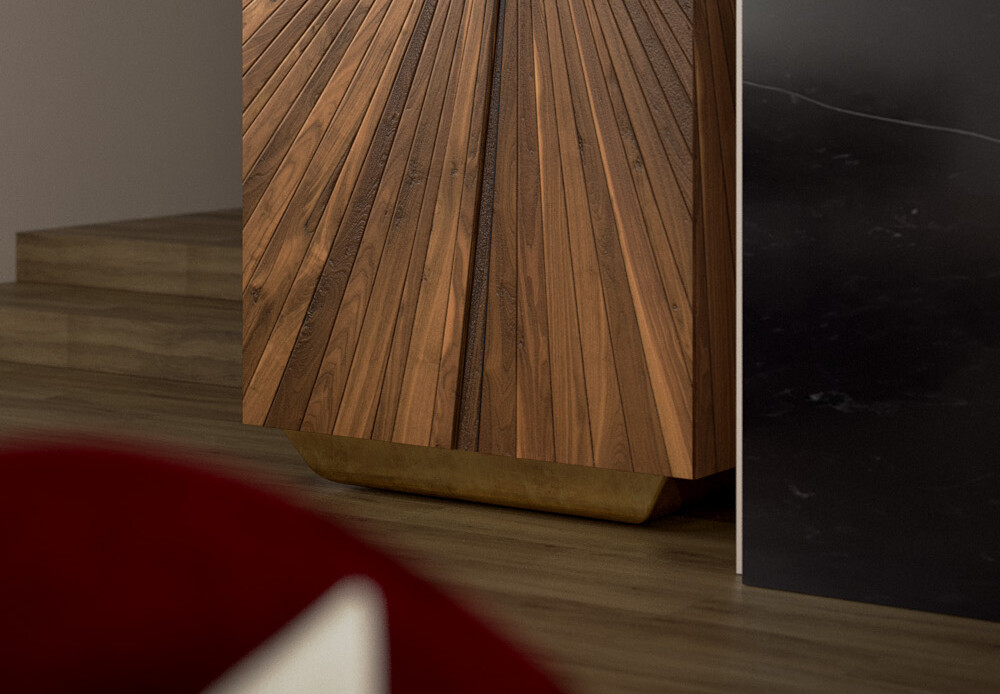
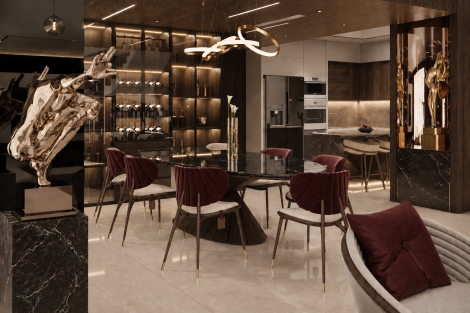
Choosing individual statement pieces like Mudhif Dining Armchair without a unifying vision. It is an easy temptation: each piece, considered on its own, is extraordinary. A limited-edition sofa. A coffee table crafted from Italian marble. A designer console.
But when each piece enters the space for a different reason, without any meaningful connection to the others, the result is visual noise. Homes with soul are not those where every piece competes for attention. They are the ones where every element feels connected, contributing to a larger story.
Achieving this balance requires a considered design approach. And that approach demands a vision of the space as a whole before any individual piece is selected. This is where collaboration between the homeowner, architect, and furniture maker becomes invaluable. Not as a hierarchy, but as an ongoing conversation.
The creation of a project always begins with that conversation, about the space, the people who will inhabit it, and the memories they hope to create within it.
A piece created to order, using materials specifically selected for a particular interior, is designed to belong to that space for years to come. Not to be generic, but to be precisely right.
This brings practical benefits that extend far beyond aesthetics.
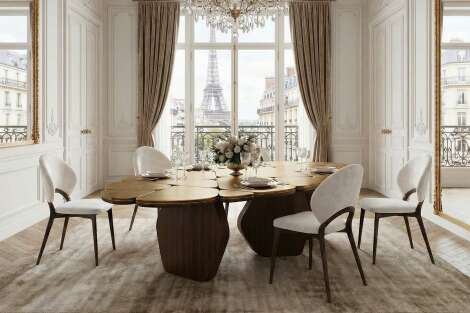
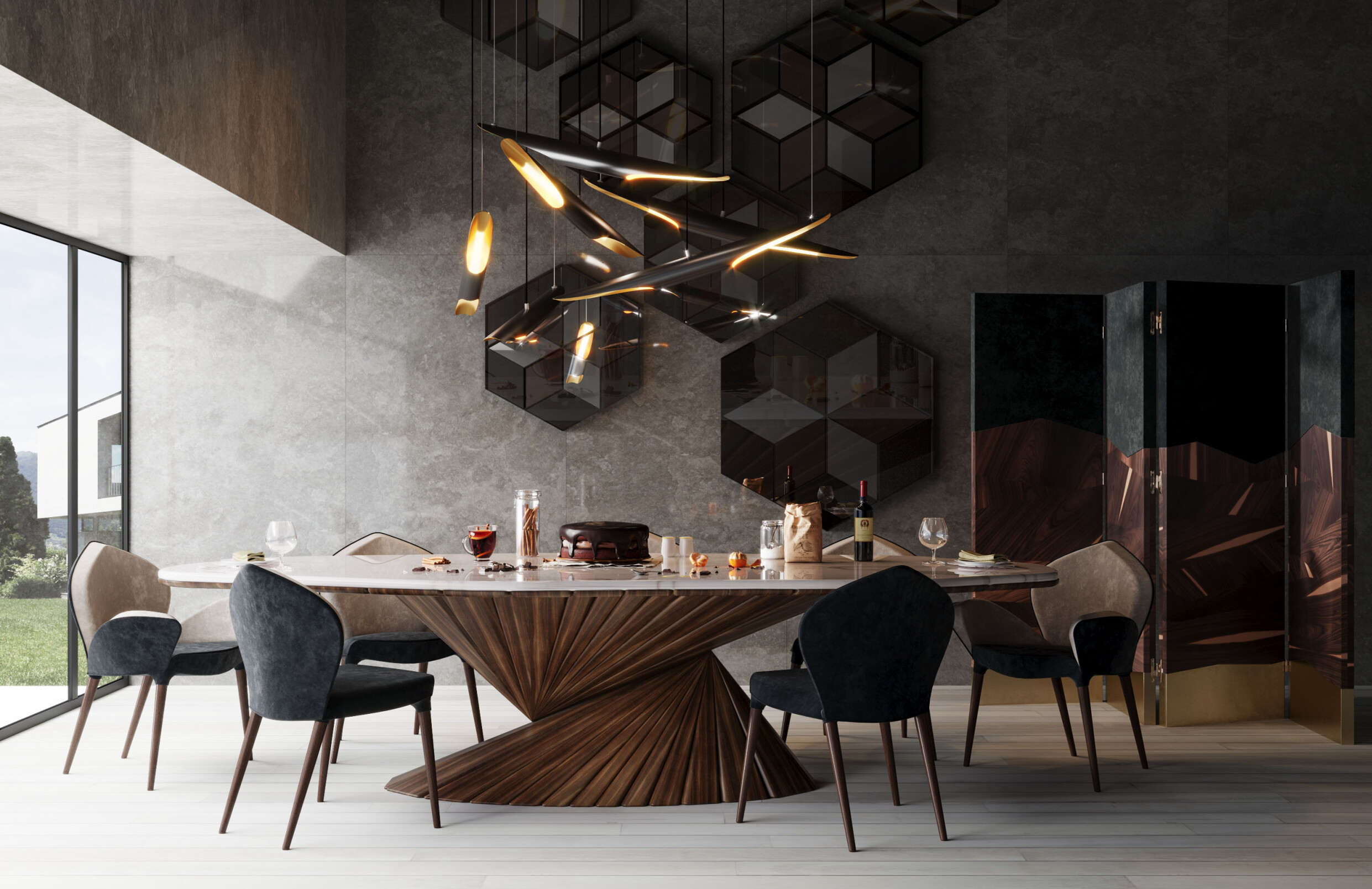
Proportions tailored to the space. A dining table, like Bonsai Dining Table, in a room with high ceilings and natural light entering from the side requires different proportions from one in a similarly sized room with standard ceiling heights and artificial lighting. Standard furniture cannot always accommodate these nuances. Bespoke design can.
Materials that age with character. Leather that develops a richer texture through use, brass that acquires a natural patina, or wood that deepens in tone - these transformations can be anticipated and embraced as part of the design. Mass-produced furniture is often conceived around shorter product cycles, while thoughtfully crafted bespoke pieces are designed with longevity in mind.
A story that grows over time. A piece with a meaningful story - the cultural reference behind its design, the technique used to create it, or the artisan whose hands shaped it - gains significance as it becomes part of everyday life. Over time, it becomes part of the home's memories, rather than simply another item within it.
The memories carried by each piece are an essential part of the product itself, not merely its communication. This is what gives designer furniture its deeper meaning.
Some homes with exceptionally generous budgets still feel like showrooms, flawless, yet lacking the warmth of a lived-in space. Meanwhile, more understated interiors can possess an unmistakable sense of character.
The difference lies in three elements that tend to work together: Intention behind every choice. Not simply "this piece looked beautiful", but "this piece belongs here for a reason, and that reason connects with everything around it".
Materials with a tangible presence. Materials that invite touch, respond to changing daylight, and reveal their weight, texture, and temperature. The opposite of surfaces that feel impersonal or purely decorative.
At least one piece that captures attention. Not one that demands to be noticed, but one that invites a closer look. A piece with a detail, form, or story compelling enough to make someone stop and appreciate it.
These three qualities do not happen by chance. They emerge when the design process begins with a question of identity rather than a pursuit of trends.
At a time when interior design trends evolve in increasingly short cycles, Alma de Luce and Pantone announces its Colour of the Year, design fairs introduce new references, and social media constantly showcases what is currently in style, the true identity of a home is built on a different philosophy.
A home with soul is one that stands the test of time without feeling outdated. Not because it ignores trends, but because it treats them as inspiration rather than the foundation of its identity.
When thoughtfully specified, designer furniture does not simply age, it gains depth and character.
It is the difference between buying something for today and creating something to last a lifetime.
And that sense of permanence begins with the very first conversation, about the space, the people who will live in it, and what deserves to endure.