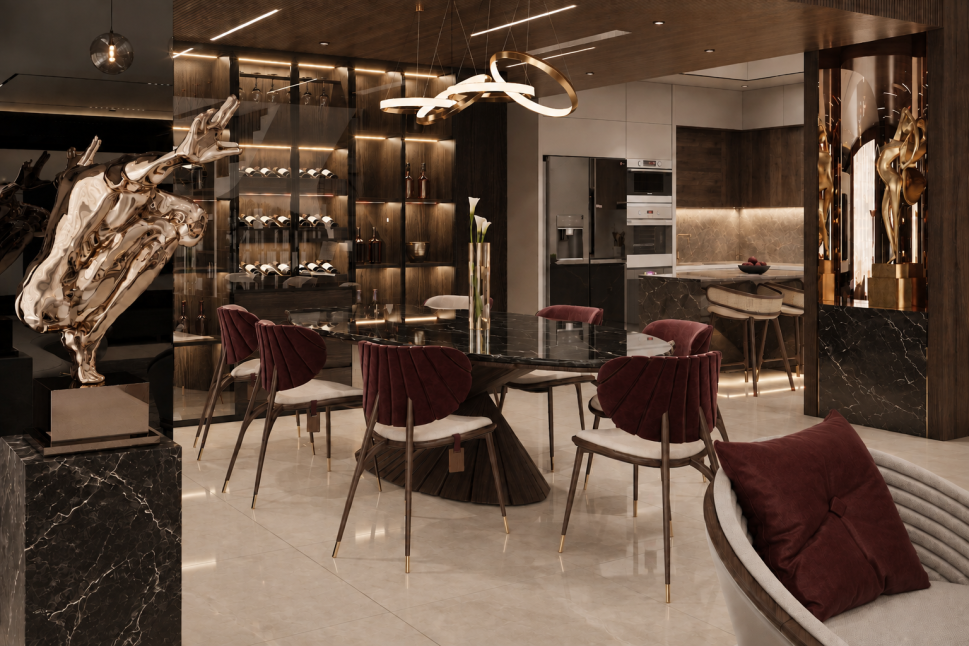
A beautiful home is not necessarily a memorable one. Noble materials, sophisticated colours and carefully selected furniture can create an impeccable interior. Yet sometimes something is still missing: the feeling that the space could belong only to the people who live there.
As the same trends and references circulate globally, this has become an increasingly important challenge in luxury residential design. For architects and interior designers, creating something beautiful is no longer enough. The challenge is creating something the client has not already seen. And furniture can make the difference.
A luxury home feels unique when every choice contributes to a clear identity rather than simply following a trend.
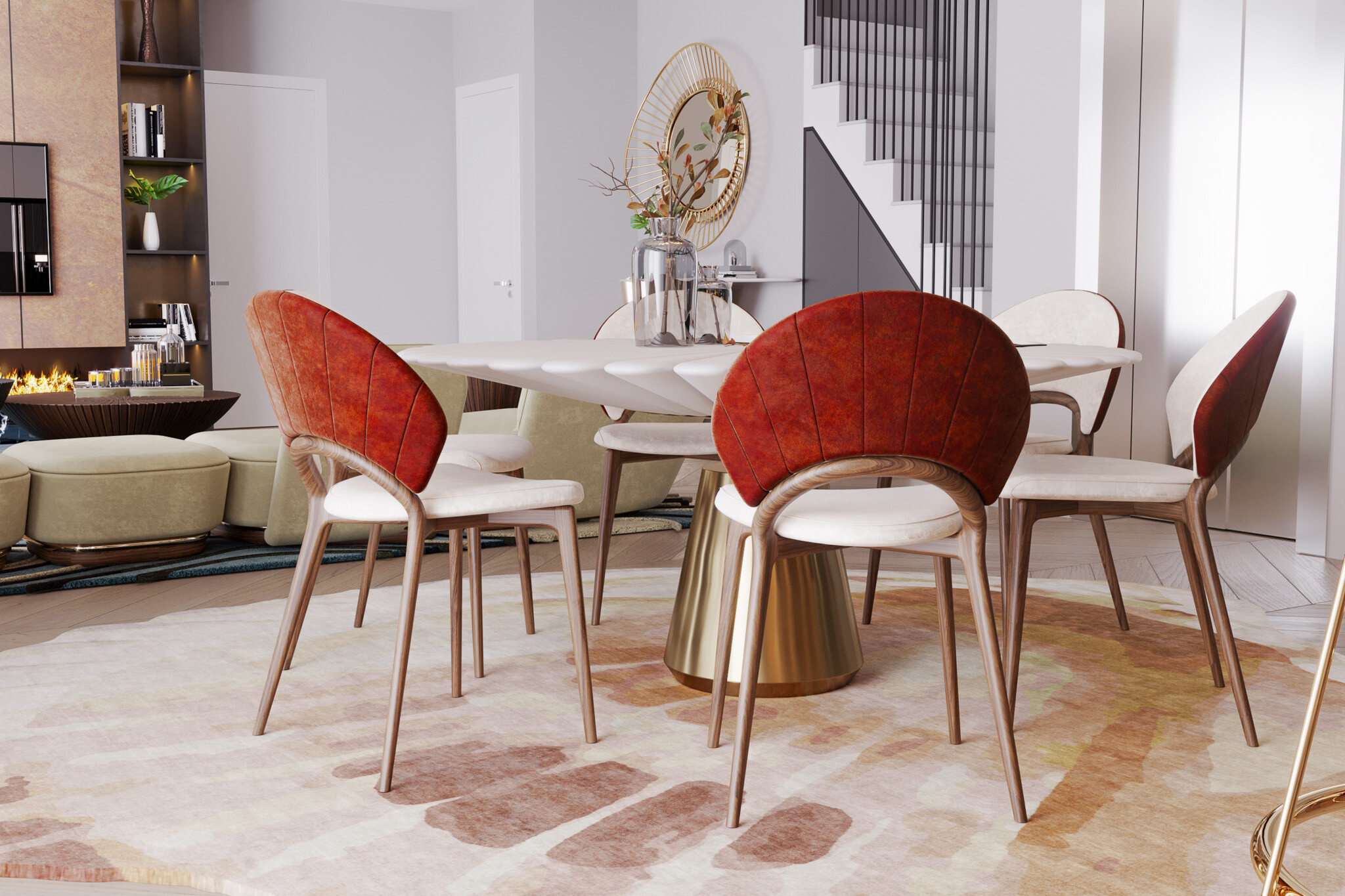
A sculptural dining table can define an entire dining room. An expressive armchair can introduce an unexpected cultural reference. A handcrafted cabinet can become the object guests approach and ask about.
These pieces do more than fill a space. They give designers something around which to build a narrative. This does not mean every piece needs to make a statement. In fact, the opposite is often more effective. One distinctive element surrounded by quieter choices creates hierarchy and gives the eye somewhere to rest. The result feels curated rather than decorated.
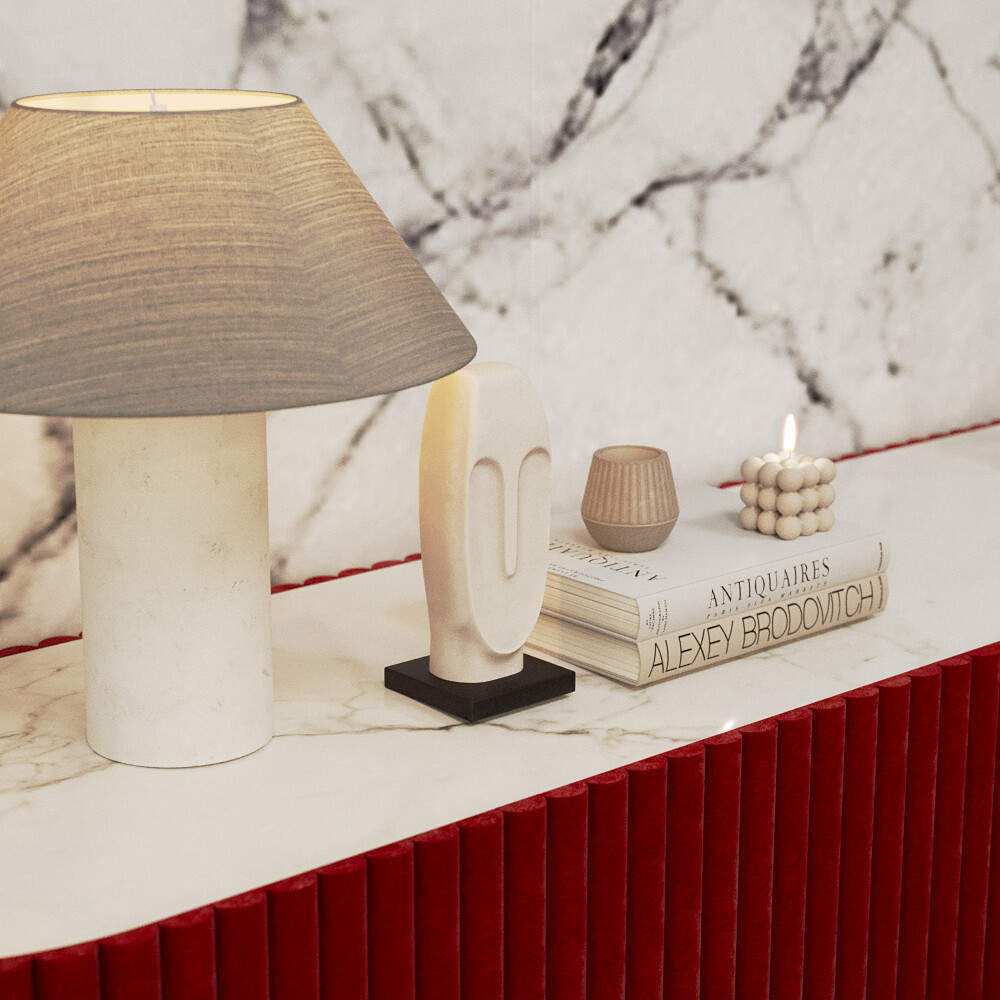
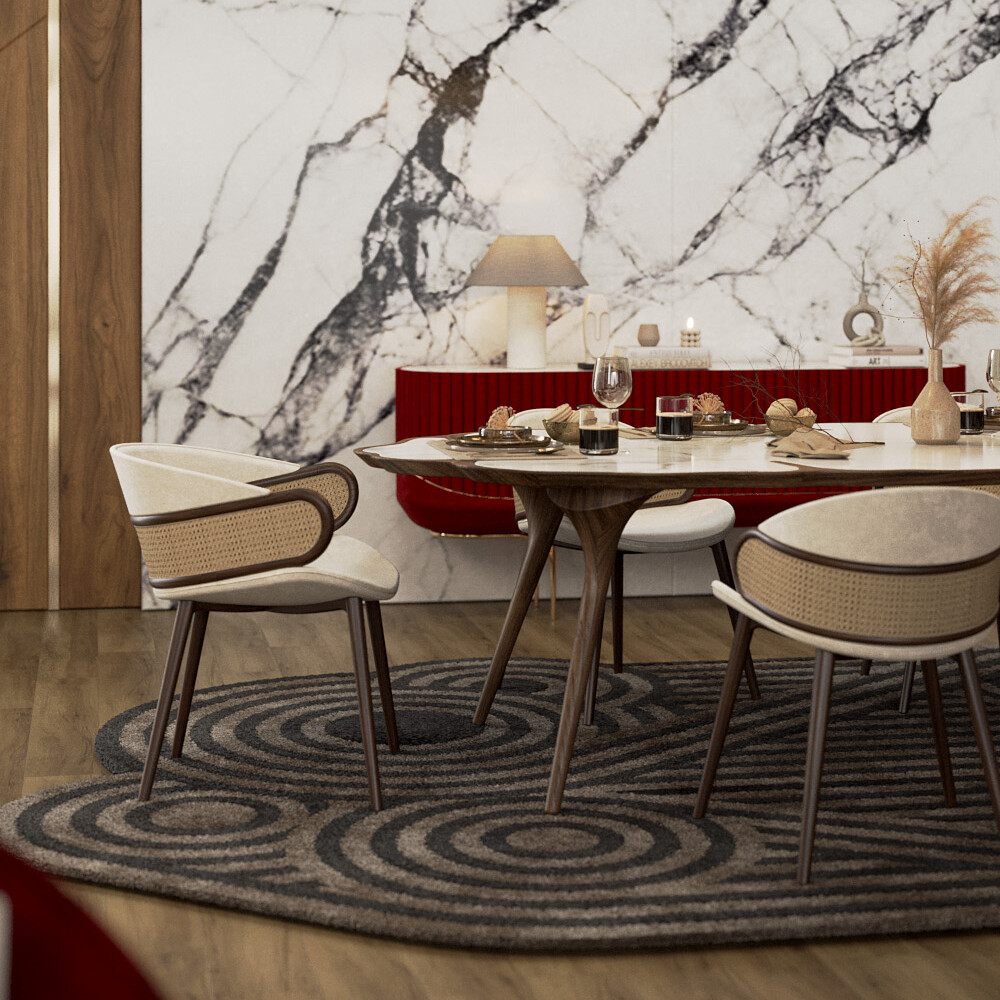
Access to inspiration has never been greater. The same interiors, materials and furniture silhouettes can be discovered instantly through social media, digital catalogues and design platforms.
This has made beautiful design more accessible - but also easier to replicate. Clients often arrive with moodboards filled with spaces they already admire. The designer's challenge is therefore not to reproduce those references, but to understand what will make this particular project different.
This is where designer and bespoke furniture become valuable.
The form, proportions, materials and craftsmanship of a distinctive piece can provide a visual anchor for the project while helping designers create something that feels personal rather than familiar. The objective is not to make everything unique. It is to know which elements deserve to be.
A client may choose a piece because of its design. Its story can be what makes them remember it. Architecture, cultural heritage, landscapes, art and ancestral traditions can all become starting points for contemporary furniture. The reference does not need to be obvious. It can appear subtly through a silhouette, material, texture or detail, allowing the piece to carry meaning without making the interior feel themed.
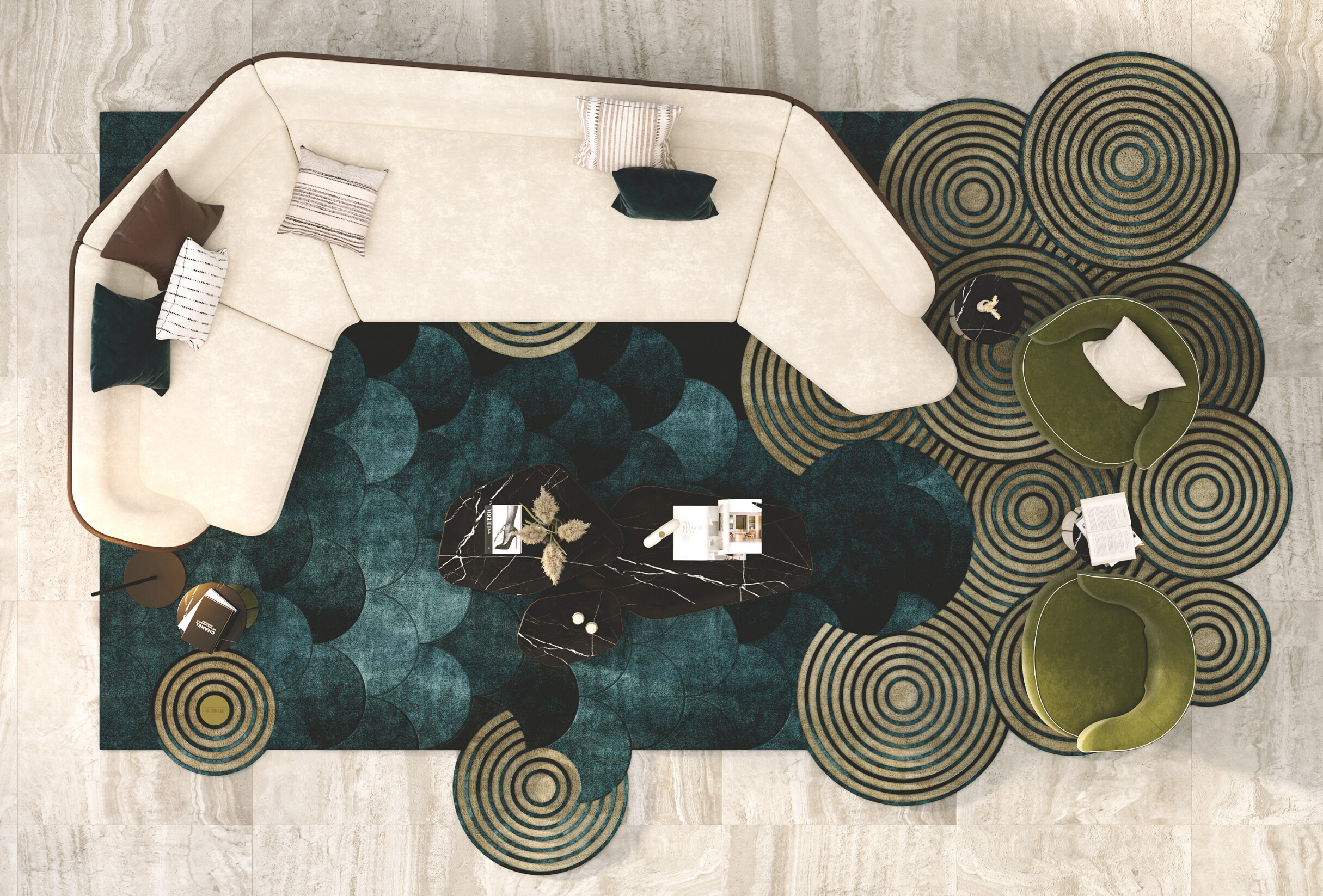
The Adamastor Rug, for example, draws inspiration from Adamastor, the mythical figure connected to Portuguese maritime history. Its composition translates the movement and force of the sea into a contemporary design.
The result gives the designer more than an aesthetic element to specify. It gives the client something to discover, remember and eventually share. For professionals interested in bringing this approach into their own projects, the Storytelling Interior Inspiration Book explores how meaningful narratives can become starting points for distinctive interiors.
No. Price alone does not give furniture identity - design intention does. Designer furniture is shaped by decisions: why a particular proportion was chosen, how materials interact, what inspired its silhouette and how craftsmanship brings those ideas to life.
This becomes particularly relevant in luxury residential projects, where furniture is expected to complement the architecture rather than simply decorate it.
Craftsmanship adds another dimension. Hand-finished wood, refined upholstery, stone and metalwork introduce details that are difficult to achieve through standardised production. And when dimensions, materials or finishes can be customised, the designer can adapt a distinctive piece to the project without losing the concept that gave it character.
At Alma de Luce, the starting point for a piece is often not furniture at all. It can be a place, a tradition, an architectural form, a landscape or a cultural memory worth preserving. These references are reinterpreted through contemporary design and Portuguese craftsmanship, transforming stories into furniture for modern interiors.
The Quat Tay Chair, for example, demonstrates how cultural inspiration can inform a distinctive contemporary silhouette without becoming a literal reproduction of its origins. Across Alma de Luce's Memories, designers can discover the stories that inspired different pieces and collections.
For architects and interior designers, this offers another way to approach luxury residential projects: selecting furniture not only according to how it looks, but according to what it can contribute to the identity of the space.
The Alma de Luce Catalogue brings these pieces and stories together, offering inspiration for interiors designed to feel personal rather than predictable. Because ultimately, the most personal luxury is not owning what everyone recognises. It is living with something that feels unmistakably yours.